




The Grain in the Spotlight: Sorghum
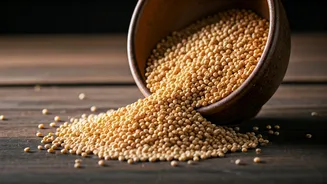
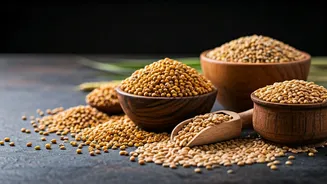
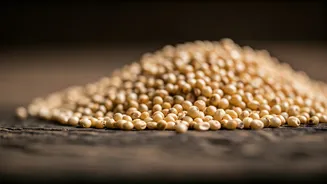
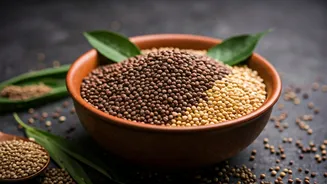
The grain deserving of a spot on your shelf is sorghum, known locally in India as jowar. Far from being a new fad, this humble grain has been a dietary cornerstone in Asia and Africa for thousands of years. Recognised as the fifth-most produced cereal
grain globally, it’s a powerhouse of nutrition that’s making a major comeback. Unlike some grains that are heavily processed, sorghum's edible outer hull means its nutrients often remain intact. It’s naturally gluten-free and has a mild, slightly nutty flavour that makes it incredibly versatile in the kitchen. Whether you're familiar with jowar roti or have never cooked with the grain before, it’s an easy and impactful addition to any diet.
A True Nutritional Upgrade
When we say upgrade, we mean it. Compared to refined white rice and even whole wheat, sorghum packs a mightier nutritional punch. It consistently shows higher levels of protein and dietary fibre. This high fibre content is crucial; it aids digestion, helps you feel fuller for longer to assist with weight management, and can help lower bad cholesterol (LDL) levels. Furthermore, sorghum has a lower glycemic index (around 62) compared to whole wheat (72) and white rice (70-87). This means it releases glucose into the bloodstream more slowly, helping to prevent sharp spikes in blood sugar, which is beneficial for sustained energy and for individuals managing diabetes.
Packed with Essential Minerals and Antioxidants
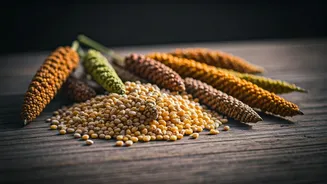
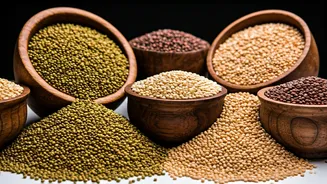
Beyond protein and fibre, sorghum is a treasure trove of essential minerals. It's rich in iron and copper, which are vital for creating red blood cells and improving blood circulation. It also provides a healthy dose of magnesium, phosphorus, and B vitamins, which support everything from bone health and energy production to a healthy nervous system. Some varieties, particularly coloured ones like black or burgundy sorghum, are loaded with antioxidants like polyphenols and flavonoids. These compounds help protect your body from oxidative stress and inflammation, which are linked to chronic diseases.
How to Bring Sorghum into Your Kitchen
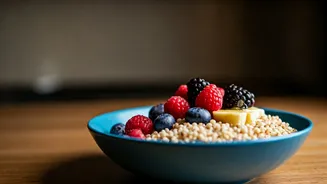
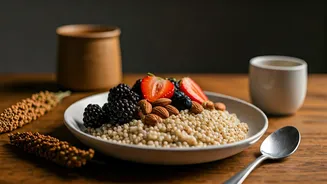
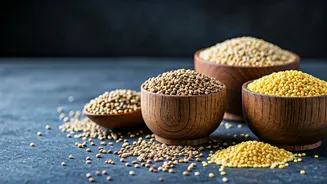
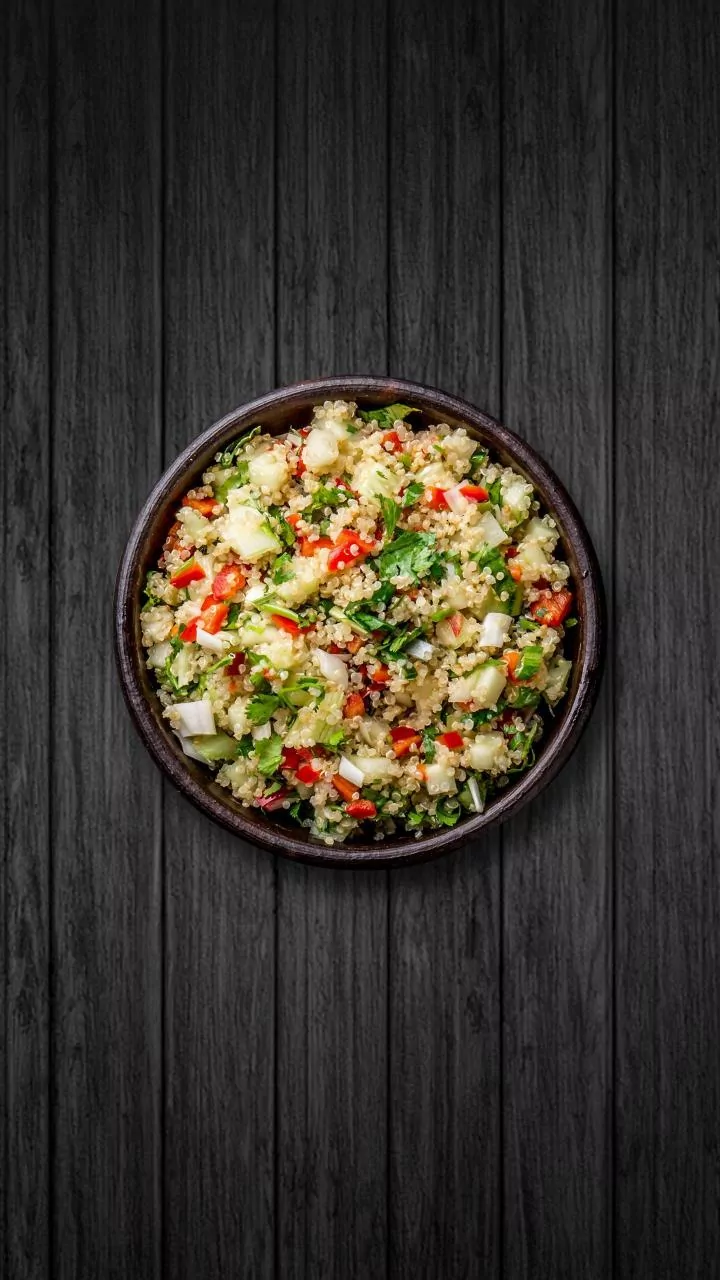
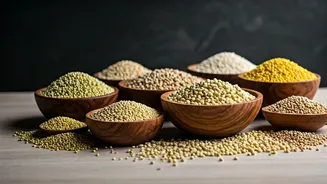
Integrating sorghum into your diet is simpler than you think. It comes in several forms, each with its own uses. Sorghum flour (jowar ka atta) is perfect for making traditional flatbreads like bhakri or roti, which are naturally gluten-free. Whole grain sorghum can be cooked and used as a substitute for rice or quinoa in salads, grain bowls, or hearty soups. It has a delightfully chewy texture that adds substance to any dish. You can even pop the grains like popcorn for a healthy, crunchy snack. This versatility makes it easy to swap into recipes you already love.
Simple Cooking Instructions
Cooking whole grain sorghum is straightforward. The general ratio is one part grain to three parts water or broth. Bring the liquid to a boil, add the sorghum, then reduce the heat to a simmer and cover. It typically takes 45 to 60 minutes to become tender and chewy. Once cooked, you can drain any excess liquid. For a quicker meal, you can cook a large batch at the start of the week to easily add to meals later. Using a pressure cooker can significantly shorten the cooking time. When using sorghum flour for baking, you may need a binder like xanthan gum if the recipe is gluten-free and requires some elasticity.