




First, What Is This Trend?
At its core, the trend is simple: take a standard savory bowl and add mochi. We’re not talking about savory mochi preparations, but the sweet, often ice cream-filled dessert kind you find in the freezer aisle. The most popular version involves a poke-style
bowl—think raw salmon or tuna, seasoned rice, edamame, cucumber, and a creamy sauce—with pieces of mango or strawberry mochi dropped right on top. The initial reaction for many is confusion, followed quickly by intense curiosity. It’s a culinary curveball that intentionally breaks the rules of what a “healthy” lunch bowl is supposed to be, and that’s a huge part of its viral DNA. It’s a low-stakes food experiment that feels both rebellious and accessible.
The Magic Is in the Texture
If you ask anyone who loves the trend why it works, the first word you’ll likely hear is “texture.” Chefs and food scientists have long known that texture contrast is a secret weapon for making food more satisfying. Think of a crunchy crouton in a creamy soup or crispy onions on a soft casserole. The mochi bowl operates on the same principle, but pushes it to a new level. You get the firm chew of the rice, the crispness of fresh cucumber, the creamy texture of avocado and spicy mayo, and the flaky tenderness of fish. Then, you get a bite of mochi: a soft, pillowy, and uniquely stretchy chew that’s unlike anything else in the bowl. This delightful textural surprise is what elevates the eating experience from a simple meal to a sensory adventure, keeping your palate engaged from the first bite to the last.
Embracing the Sweet and Savory Craze
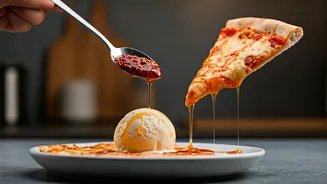
The American palate has fallen hard for sweet and savory combinations. Salted caramel, hot honey drizzled on pizza, bacon-wrapped dates—we love flavors that play tug-of-war. The mochi bowl is the latest evolution of this obsession. The dessert mochi provides a concentrated burst of fruit-forward sweetness that cuts through the rich, savory, and often umami-heavy flavors of the bowl’s other ingredients, like soy sauce, sesame oil, or sriracha. That little pop of sweet provides a moment of contrast, cleansing the palate before the next savory bite. It works in the same way a sweet fruit chutney complements a spicy curry or a pineapple ring sits atop a savory ham. The mochi isn't just an addition; it's an active participant in balancing the overall flavor profile.
The Perfect Recipe for Social Media
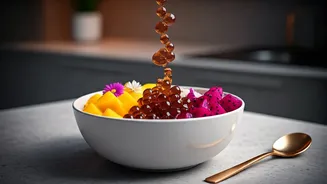
This trend was practically engineered for platforms like TikTok. First, it’s visually striking. The pastel colors of the mochi pop against the greens, pinks, and oranges of a typical protein bowl, making for an instantly scroll-stopping image. Second, it’s highly debatable. The comments section of any mochi bowl video is a battlefield of intrigue, disgust, and passionate defense, all of which drives engagement and pushes the content into more feeds. Third, it’s incredibly easy to replicate. All you need is your favorite takeout bowl (or homemade version) and a box of mochi from the grocery store. This low barrier to entry encourages viewers to try it for themselves and post their own reactions, creating a self-perpetuating cycle of content that is the hallmark of a true viral trend.
A 'Health-ish' Treat You Don't Have to Wait For
Many of us try to eat healthy, but we still crave a little indulgence. The mochi bowl offers the best of both worlds. It allows you to have your dessert *with* your healthy lunch, not after it. By integrating a small, portion-controlled treat directly into the main course, it satisfies a sweet tooth without the feeling of having a separate, decadent dessert. It reframes the meal as a balanced but exciting experience. For people who get bored with standard healthy fare, this small act of culinary creativity can be the key to staying on track. It’s a permission slip to make your wellness journey a little more fun and a lot less restrictive, one chewy, surprising bite at a time.