

Plan Your Menu in Advance
The key to a stress-free festive meal is planning. A week or two before, create a detailed menu, including appetisers, main dishes, sides, and desserts. This gives you a clear roadmap and prevents last-minute panic. Check your pantry for staples and make
a shopping list for everything else. Buying non-perishable items ahead of time means you can avoid the chaotic grocery store rush right before the festival. A well-thought-out plan is your single best tool for a calm and organised cooking experience. Think about the flow of the meal and choose dishes that complement each other without requiring a dozen different cooking methods at once.
Embrace a Modular Approach
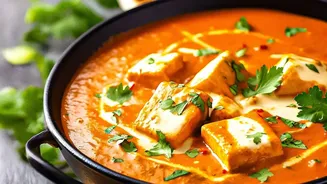
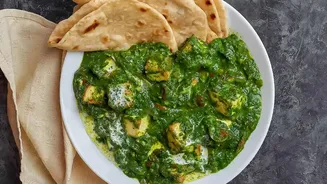
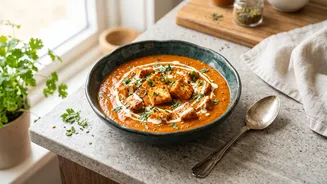
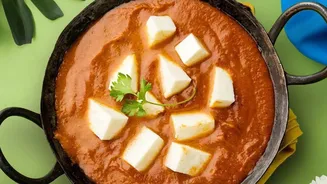
Instead of thinking in terms of complex, multi-component dishes, focus on creating versatile building blocks. For instance, prepare a large batch of a basic tomato-onion gravy that can be adapted for different dishes. You can use it to make Palak Paneer, a simple Aloo Matar, or a rich Paneer Lababdar. The same logic applies to chutneys; a single green chutney can accompany samosas, be swirled into dahi for Dahi Vada, or served alongside the main course. This modular strategy allows you to offer variety without starting from scratch for every single item on the menu.
Master Make-Ahead Dishes
Many Indian dishes taste even better the next day as the flavours have time to meld. Curries, dals like Dal Makhani, and even some desserts can be prepared one or two days in advance. You can also do a lot of prep work ahead of time. Chopping vegetables, marinating paneer or chicken for tikkas, and preparing spice mixes can all be done the day before. Even snacks like samosas or curry puffs can be assembled and frozen, ready to be fried or baked when guests arrive. This frees up your time on the main day to focus on dishes that need to be cooked fresh, like breads or rice.
Choose Simple, High-Impact Recipes
An impressive meal doesn't have to be complicated. Opt for recipes with fewer ingredients and simpler steps. A beautifully spiced Jeera Rice is quick to make and pairs with almost anything. A Kachumber salad, a no-cook mix of cucumber, tomato, and onion, adds freshness and crunch with minimal effort. Rather than attempting a brand-new, complex recipe, stick to dishes you're comfortable with. You can introduce variety through a unique appetiser like Aloo Chaat in Phyllo Cups or by giving a classic a simple twist.
Utilise Smart Shortcuts
There’s no shame in using high-quality store-bought ingredients to save time. Using pre-made puff pastry for samosa pinwheels or curry puffs is a popular and effective shortcut. Buying a pavlova base and simply topping it with cream and fruit is another time-saver for dessert. Modern kitchen appliances are also your best friend. A food processor can chop onions and tomatoes in seconds, while a slow cooker or Instant Pot can handle a dal or curry with minimal supervision, freeing you to focus on other tasks. These small efficiencies add up, significantly reducing your workload.
Delegate and Serve Buffet-Style
Don't be afraid to ask for help. If family or friends offer to contribute, let them! Assigning someone to bring a dessert or a side dish can lighten your load and make guests feel more involved. When it's time to eat, serving buffet-style is the easiest option for a crowd. It allows guests to serve themselves, minimising the stress of plating and ensuring everyone gets what they want while the food is hot. This turns the meal into a more relaxed and collaborative experience for everyone, including the host.