


Beyond the Grams: An Introduction to Protein Quality
We've all been there: standing in the grocery aisle, comparing two products and choosing the one with the higher protein count. It seems like a simple equation—more protein equals better. However, the story of protein is far more nuanced. The total gram
count is only the first chapter. The real measure of a protein's worth to your body comes down to its quality, which involves its amino acid profile and how easily your body can actually use it. Thinking about protein quality over sheer quantity can fundamentally change how you build your meals for better health, muscle repair, and overall energy.
The Building Blocks: Complete vs. Incomplete Proteins
Proteins are constructed from smaller units called amino acids. Our bodies need 20 different amino acids to function, but nine of them are called "essential" because we can't make them ourselves; we must get them from food. This is where the concept of "complete" and "incomplete" proteins comes in. A food is considered a complete protein when it provides all nine essential amino acids in adequate amounts. Animal-based foods like meat, fish, dairy, and eggs are classic examples of complete proteins. On the other hand, most plant-based foods, such as beans, grains, and nuts, are "incomplete," meaning they are low in one or more of these essential amino acids. However, some plant foods like soy, quinoa, and chia seeds are exceptions and are considered complete.
The Absorption Factor: What Is Bioavailability?
Even if a food contains protein, it doesn't mean your body can use all of it. Bioavailability refers to how well your body can digest, absorb, and utilize the amino acids from a protein source. Animal proteins generally have higher bioavailability, with digestibility rates around 90-95%. Plant proteins often have lower digestibility, typically in the 70-80% range. This is partly because plant cells have rigid walls and can contain compounds called "antinutrients" that may interfere with protein absorption. To standardize this, scientists use scoring systems like the Protein Digestibility Corrected Amino Acid Score (PDCAAS). A score of 1.0 is the highest, indicating excellent quality and digestibility, a rating often given to eggs, whey, and soy protein. Many plant proteins score lower, meaning you might need to eat more of them to get the same benefit.
Making It Work: The Power of Protein Combining
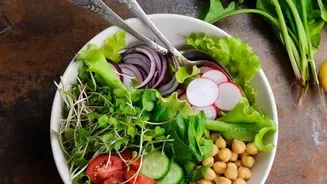
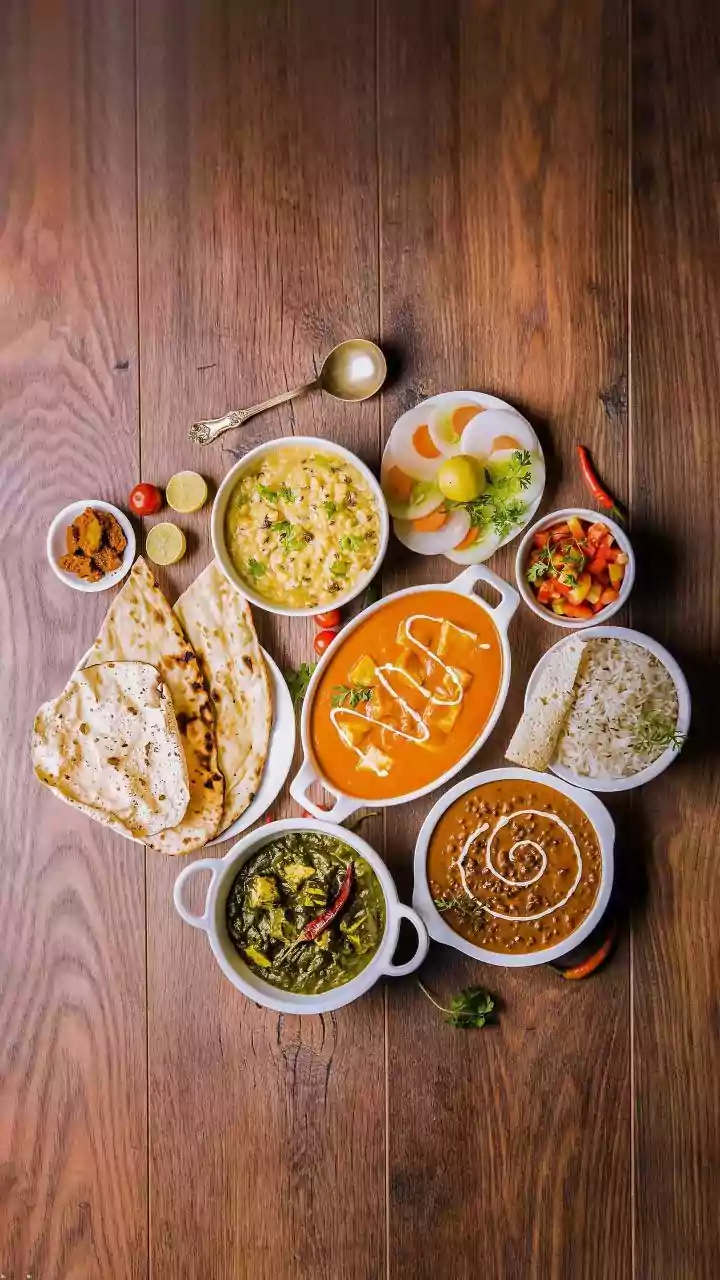
For those following a vegetarian or vegan diet, understanding protein quality is key, but it's not a cause for concern. The strategy of "protein combining" or "protein complementing" easily solves the issue of incomplete proteins. This involves pairing different plant foods to create a complete amino acid profile. For instance, grains like rice are often low in the amino acid lysine, while legumes like beans and lentils are rich in it. Combining them—as in the classic Indian dish of dal and rice or the Latin American staple of rice and beans—provides all nine essential amino acids. Other powerful combinations include hummus (chickpeas and sesame paste) with whole-wheat pita, or peanut butter on whole-grain toast. The good news is that you don't even need to eat these complementary proteins in the same meal; consuming a variety of plant sources throughout the day is sufficient to meet your body's needs.