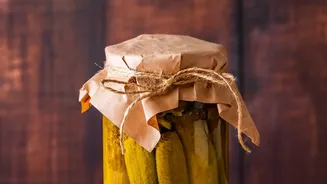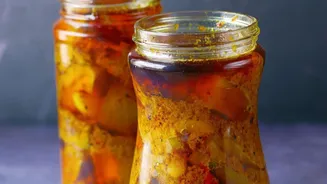



That jar of your grandmother’s mango pickle seems to last forever, its taste only improving with time. Have you ever wondered how it stays so perfectly preserved for months, even years, without any synthetic chemicals or refrigeration?
The Science of a Good Soak
The secret behind
the incredible longevity of Indian pickles is a masterful blend of culinary art and natural science, perfected over generations. It isn’t one single ingredient but a team of them working in harmony to create an environment where spoilage microbes cannot survive. The primary preservation methods involve controlling moisture, increasing acidity, and deploying the natural antimicrobial powers of everyday kitchen ingredients. This delicate balance is why homemade pickles, unlike many commercial versions, can rely entirely on nature’s pantry to stay fresh and flavourful.
Oil: The Protective Barrier
One of the most visible components of any Indian pickle is the generous layer of oil, often mustard or sesame oil, it is submerged in. This isn't just for flavour; the oil acts as a natural sealant. It forms a protective barrier over the pickled ingredients, cutting off the oxygen supply. Most spoilage-causing bacteria and moulds are aerobic, meaning they need oxygen to multiply. By creating this anaerobic (oxygen-free) environment, the oil effectively suffocates them. Mustard oil is a particularly popular choice because it contains a compound called allyl isothiocyanate, which has powerful natural antimicrobial and antifungal properties, adding an extra layer of defence.
Salt: The Original Preservative
Long before refrigeration, salt was humanity’s go-to preservative, and it plays a vital role in pickling. Salt preserves food primarily through a process called osmosis. It draws moisture out of the cells of both the vegetables or fruits and any harmful bacteria present. Without sufficient water, these microbes become dehydrated and cannot grow or reproduce. Furthermore, salt helps to encourage the growth of beneficial, salt-tolerant bacteria like lactobacilli. These 'good' bacteria consume sugars in the vegetables and produce lactic acid, a key part of the next preservation step.
Acidity and Fermentation: The Sour Shield
The tangy, sour taste characteristic of many pickles is a sign of a safe, low-pH environment. This acidity comes from two main sources. First, ingredients like raw mangoes, lemons, or added vinegar naturally lower the pH. Second, the fermentation driven by the good bacteria (lactobacilli) produces lactic acid, further increasing acidity. This highly acidic environment is inhospitable to most spoilage microbes, effectively 'pickling' the contents and keeping them safe to eat. This process of lacto-fermentation is what gives many traditional pickles their complex flavour and probiotic benefits.
Spices: The Aromatic Guardians
The spice blend in an Indian pickle is not just for taste and aroma; it's a powerful preservative army. Many common Indian spices have well-documented antimicrobial and antifungal properties. Turmeric, for instance, contains curcumin, a compound known to inhibit bacterial growth. Fenugreek (methi) seeds and asafoetida (hing) also contribute their own protective qualities. Mustard seeds, a staple in many recipes, release antimicrobial compounds when crushed. Even red chilli powder, which adds heat, contains capsaicin, which can help deter microbial activity. Together, these spices work synergistically to ward off spoilage and ensure the pickle remains pristine.