






A Tense Wait Ends, A New Challenge Begins
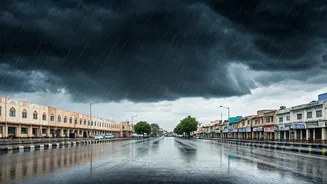
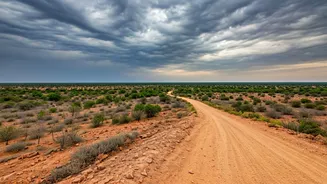
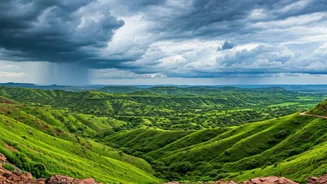
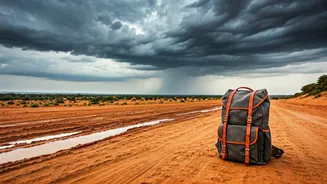
The southwest monsoon finally entered parts of Rajasthan on July 2, 2026, about seven days later than the revised normal onset date of June 25. While the arrival brought some relief from the prolonged heat, it marked the beginning of a new phase of uncertainty.
The India Meteorological Department (IMD) has forecast an active spell of rain for the coming week, particularly in eastern and southeastern Rajasthan, with warnings of heavy to extremely heavy downpours in several divisions including Kota, Udaipur, and Jaipur. However, the overall forecast for the season remains a concern. The IMD has projected a below-normal monsoon for July across much of the country, which could have significant implications for a state as water-dependent as Rajasthan.
The Kharif Conundrum
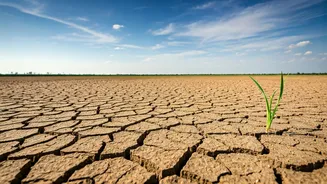
The delay has already put immense pressure on the state's agricultural backbone. The Kharif sowing season, which is critically dependent on the first monsoon showers, has been thrown into disarray. While pre-monsoon showers from western disturbances allowed for some early sowing, overall planting is lagging. By late June, overall Kharif sowing was reportedly down compared to the previous year, with farmers anxiously waiting for sufficient rain to begin planting major crops like bajra, moong, and guar. Agricultural experts had advised farmers to wait until mid-July to sow, creating a compressed window for cultivation and raising fears of lower yields if the rains prove to be erratic. This uncertainty complicates decisions for farmers, who must gamble on which crops to plant based on precarious weather predictions.
Reservoirs and Urban Water Woes
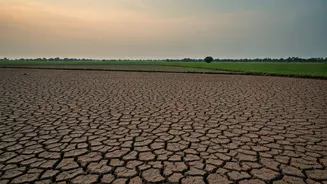
The impact extends far beyond the fields. Rajasthan's water security is intrinsically linked to the monsoon's performance in recharging its dams and groundwater. Ahead of the monsoon's arrival, the state's water storage situation was already precarious. Despite a record-breaking wet monsoon in 2025, reservoir levels were under pressure. As of early July 2026, many of the state's dams were reported to be dry or holding only partial storage. Of Rajasthan's 693 dams, 319 were reportedly dry, with only five at full capacity. This puts a strain not only on rural areas dependent on reservoirs for irrigation and livestock but also on cities that rely on these sources for drinking water. Low reservoir levels intensify the reliance on already over-extracted groundwater, a buffer that shrinks with each poor monsoon season.
A Cascade of Economic Effects
In a state where agriculture employs a significant portion of the workforce, a weak or unpredictable monsoon has profound economic ripple effects. A struggling Kharif season can depress rural incomes, which in turn dampens consumer demand for goods and services, affecting everything from tractor sales to fast-moving consumer goods. Furthermore, poor agricultural output can contribute to food inflation, particularly for essential items like pulses and vegetables, impacting household budgets across the state and beyond. The state government also faces fiscal pressure, as a poor season often necessitates increased spending on relief measures, subsidies, and potentially even drinking water transportation in the driest areas.
The New Normal of Unpredictability
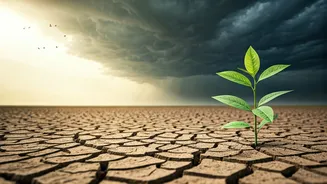
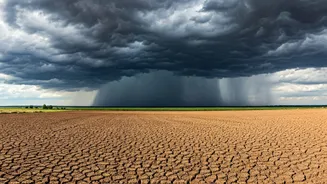
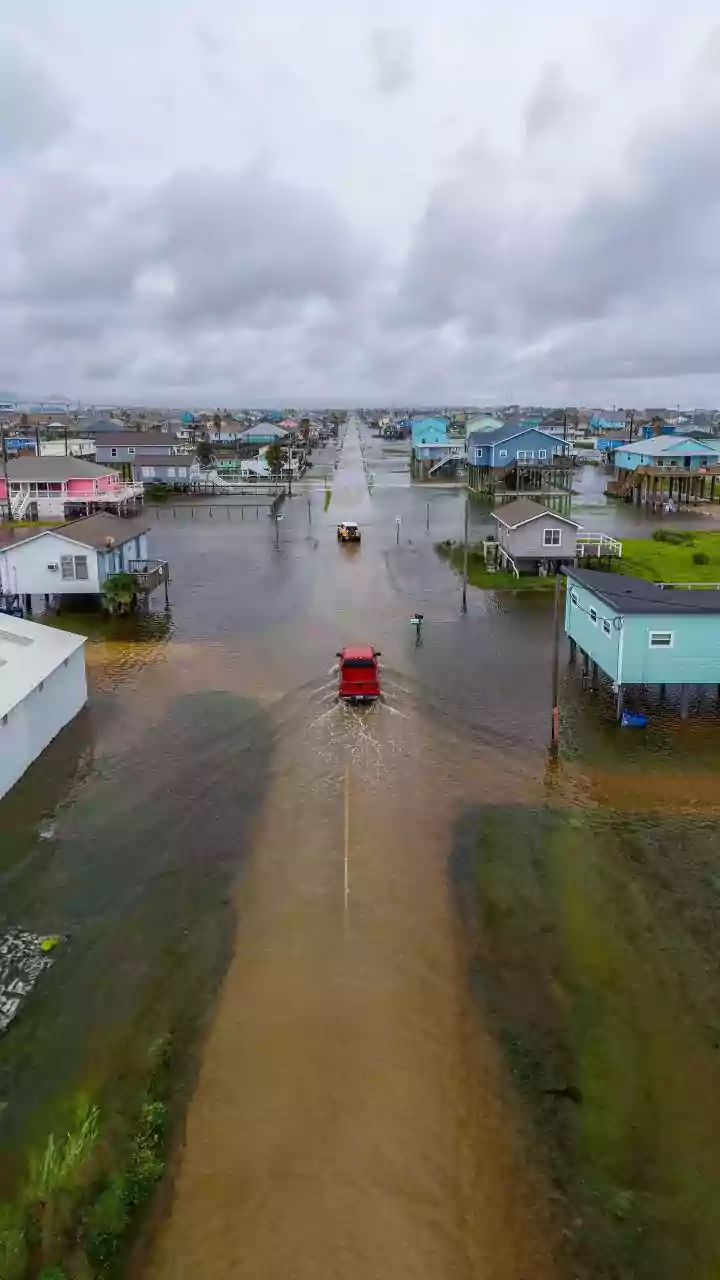
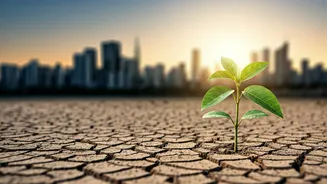
While delayed monsoons are not unheard of in Rajasthan's history, the increasing frequency of erratic weather patterns points to a larger, more troubling trend. The challenge is no longer just a simple delay, but the growing unpredictability of the entire season—from its onset and distribution to its withdrawal. The forecast of heavy downpours following a dry spell introduces the risk of flash floods and soil erosion, as the parched land struggles to absorb intense bursts of rain. This oscillation between too little and too much water is becoming a hallmark of a changing climate, forcing the state to confront a future where managing water will require more than just waiting for the rain to fall as it used to.