







Cleanse Gently, But Thoroughly
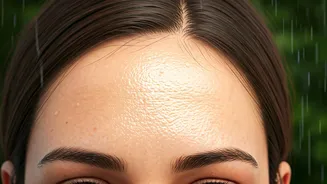
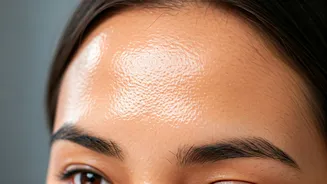
High humidity means more sweat and oil production, which can lead to clogged pores and acne. The first and most crucial step is to cleanse your face twice a day. Opt for a gentle, mild cleanser to remove dirt and grease without stripping your skin of
its natural oils. Over-washing can backfire, causing your skin to produce even more oil to compensate. For oily or acne-prone skin, a cleanser with salicylic acid can help keep pores clear.
Switch to Lightweight Hydration
It’s a common mistake to skip moisturiser when your skin feels oily or the air feels humid. However, surface humidity doesn’t equal deep skin hydration. Dehydrated skin can actually trigger more sebum production, worsening the problem. The solution is to swap heavy creams for lightweight, non-comedogenic formulas. Look for gel-based or water-based moisturisers containing ingredients like hyaluronic acid, which hydrates without feeling greasy.
Don't Put Away the Sunscreen
Cloudy skies are deceptive. Harmful UV rays penetrate through clouds and can still cause significant skin damage, including tanning and premature ageing. Daily sunscreen is non-negotiable, even when it's raining. For monsoon weather, choose a lightweight, non-greasy, or gel-based sunscreen with an SPF of 30 or higher. This will provide necessary protection without contributing to that sticky, clogged feeling.
Exfoliate, But With Caution
With a build-up of dead skin cells, sweat, and oil, exfoliation becomes key to preventing clogged pores and dullness. However, the monsoon is not the time for harsh physical scrubs, which can irritate the skin and damage its protective barrier. Instead, exfoliate gently just once or twice a week. Mild chemical exfoliants containing ingredients like AHAs (alpha hydroxy acids) or BHAs (beta hydroxy acids) are often a better choice for keeping skin smooth and clear during this season.
Tackle Fungal and Bacterial Growth
The warm, damp environment of the monsoon is a perfect breeding ground for fungi and bacteria, leading to issues like fungal acne, ringworm, and other infections. To minimise risks, always change out of wet clothes as soon as possible and ensure your skin, especially folds, is kept dry. Wearing breathable cotton fabrics can also help. For persistent issues, incorporating products with anti-fungal properties or consulting a dermatologist for targeted treatments may be necessary.
Consider Key Ingredients
Certain active ingredients are particularly beneficial during humid weather. Niacinamide is an all-star for regulating oil production, calming redness, and minimising the appearance of pores. Hyaluronic acid is excellent for lightweight hydration. For those dealing with breakouts, salicylic acid helps to unclog pores. Antioxidants like Vitamin C can help protect the skin and boost radiance. Incorporating serums with these ingredients before your moisturiser can elevate your routine.
Keep Makeup Light and Minimal
Heavy, occlusive makeup can trap sweat and oil, leading to clogged pores and breakouts, especially in high humidity. During the monsoon, it's best to let your skin breathe. If you do wear makeup, opt for lightweight, non-comedogenic products like tinted moisturisers, BB creams, or mineral-based powders instead of heavy foundations. Always ensure you remove all traces of makeup thoroughly at the end of the day.