








From Weight Loss to Weightlifting
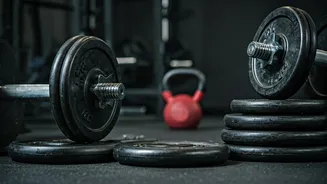
For decades, the primary fitness goal for many in India was subtraction: shedding kilos. The gym was a place for endless cardio, driven by a desire to be thin. But a new narrative is taking hold, one focused on addition: building muscle, gaining strength,
and improving functional health. This isn't just a fleeting trend; it reflects a deeper, post-pandemic transformation in how Indians approach wellness. [8] The conversation is changing from “How much weight did you lose?” to “How much can you lift?”. [8] This philosophical shift is powered by a growing awareness that strength is crucial for longevity, preventing injuries, and leading a more capable, independent life. [16, 24]
The Social Media Effect
A major catalyst for this surge is the powerful influence of social media. [4] Platforms like Instagram and YouTube have democratised fitness knowledge, making strength training accessible and aspirational. Indian fitness influencers are breaking down complex routines, busting myths, and creating supportive communities online. [4] They showcase that building strength is an achievable goal for everyone, not just elite athletes. [11] Viral videos of celebrities like Virat Kohli hitting the weights and the success of athletes like Neeraj Chopra have further cemented strength training's place in the mainstream, inspiring millions to pick up a barbell. [22, 24] This digital movement has been particularly effective at encouraging people who previously felt intimidated by the weights section. [5]
A New Fitness Ideal for All
The definition of a 'fit body' is expanding. The old ideal of being skinny is being replaced by a celebration of strength and athleticism. [15] For men, the goal is shifting from pure bodybuilding aesthetics to functional strength that helps in daily life. For women, the change is even more revolutionary. The long-held fear of “bulking up” is finally dissolving, replaced by a desire to be strong and empowered. [15, 18] This shift is partly driven by the visibility of successful female athletes like Mirabai Chanu, who have normalised athletic bodies and demonstrated the power of weightlifting. [20, 26] As a result, gyms are seeing a significant influx of women confidently claiming their space in the weights area, a trend that was rare just a decade ago. [14]
How Gyms Are Adapting
The fitness industry is taking note of this tectonic shift. India’s fitness market is one of the fastest-growing in the world, projected to more than double by 2030. [9, 10, 19] Gym owners are adapting to meet the new demand by investing in better equipment like squat racks and a wider variety of free weights. There is also a rising demand for qualified trainers who can guide members safely and effectively. Boutique studios focusing on specific, instructor-led formats like HIIT, Pilates, and MMA are the fastest-growing segment, signalling a move towards more specialised and community-driven fitness experiences. [9] Fitness platforms like Cult.fit have noted a growing preference for group strength training classes, indicating that people enjoy the motivation of working out together. [21]
More Than a Trend, It's a Lifestyle
This isn't just about a new workout preference; it's about a fundamental change in lifestyle. A Deloitte report highlights that 62% of Indians now work out multiple times a week. [8] The motivation is increasingly tied to long-term health and 'active ageing'—the desire to remain strong and independent later in life. [16] This has even led to a growing number of people over 50 embracing strength training, a demographic that previously might have stuck to walking or yoga. [16] While concerns about over-exercising and unqualified trainers exist, the overarching movement is towards a more informed and sustainable approach to health. [8]