




The Transformative Power of Lines
Stripes are more than just a pattern; they're a powerful visual tool. In the world of interior design, they work as an optical illusion. If you have a room with a low ceiling, a common feature in many modern Indian apartments, vertical stripes can draw
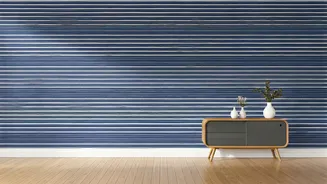
the eye upward, creating an instant sense of height and airiness. On the other hand, if you’re dealing with a narrow room, like a study or a hallway, horizontal stripes can make the space feel wider and more expansive. This ability to manipulate perception is what makes stripes a secret weapon for decorators. They can bring order to a chaotic space, add a touch of playful energy, or introduce a sense of sophisticated structure, all with a few simple lines.
Choose Your Stripe: Direction and Drama
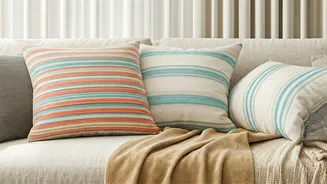
The first decision is direction. As mentioned, vertical stripes add height, while horizontal stripes add width. But the next choice is about scale and personality. Thin, pinstripe-style patterns create a subtle, elegant texture that feels sophisticated and calm. They are perfect for a bedroom or a formal living area where you want a touch of class without overwhelming the senses. Conversely, bold, wide stripes make a dramatic statement. They are confident, energetic, and perfect for a feature wall, a child’s room, or any space you want to inject with personality. Consider the existing mood of your room. Are you aiming for serene and subtle, or vibrant and vocal? Your answer will guide you to the perfect stripe width.
The Easiest Method: Peel-and-Stick
For those who are hesitant to commit or live in a rented home, peel-and-stick wallpaper is a game-changer. This is the ultimate low-effort, high-impact solution. Available in countless striped designs, these wallpapers function like giant, high-quality stickers. You simply peel off the backing and apply them to a clean, smooth wall. The best part? They are completely removable and often reusable, leaving no sticky residue or damage behind. This makes them ideal for creating a temporary feature wall behind a bed or sofa. You can experiment with bold colours and patterns without the fear of long-term commitment. It’s a weekend project that looks like it was done by a professional.
The Classic Approach: A Fresh Coat of Paint
If you're ready for a more permanent change, painting stripes is a classic and cost-effective method. The key to a sharp, professional finish is preparation. You’ll need a measuring tape, a pencil, a level, and high-quality painter's tape. Start by painting the entire wall in your lighter base colour and letting it dry completely. Then, carefully measure and mark where your stripes will go. Apply the painter's tape firmly along your marked lines, ensuring the edges are sealed to prevent paint from bleeding underneath. Paint your stripe colour between the tape, applying two thin coats if necessary. The most satisfying moment is peeling off the tape while the second coat is still slightly damp to reveal your crisp, clean lines.
Styling Stripes in an Indian Home
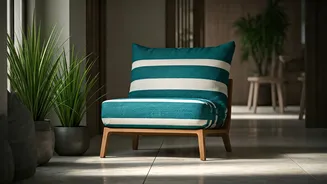
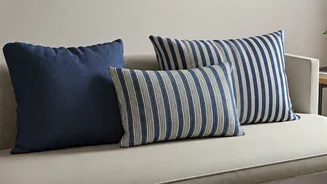
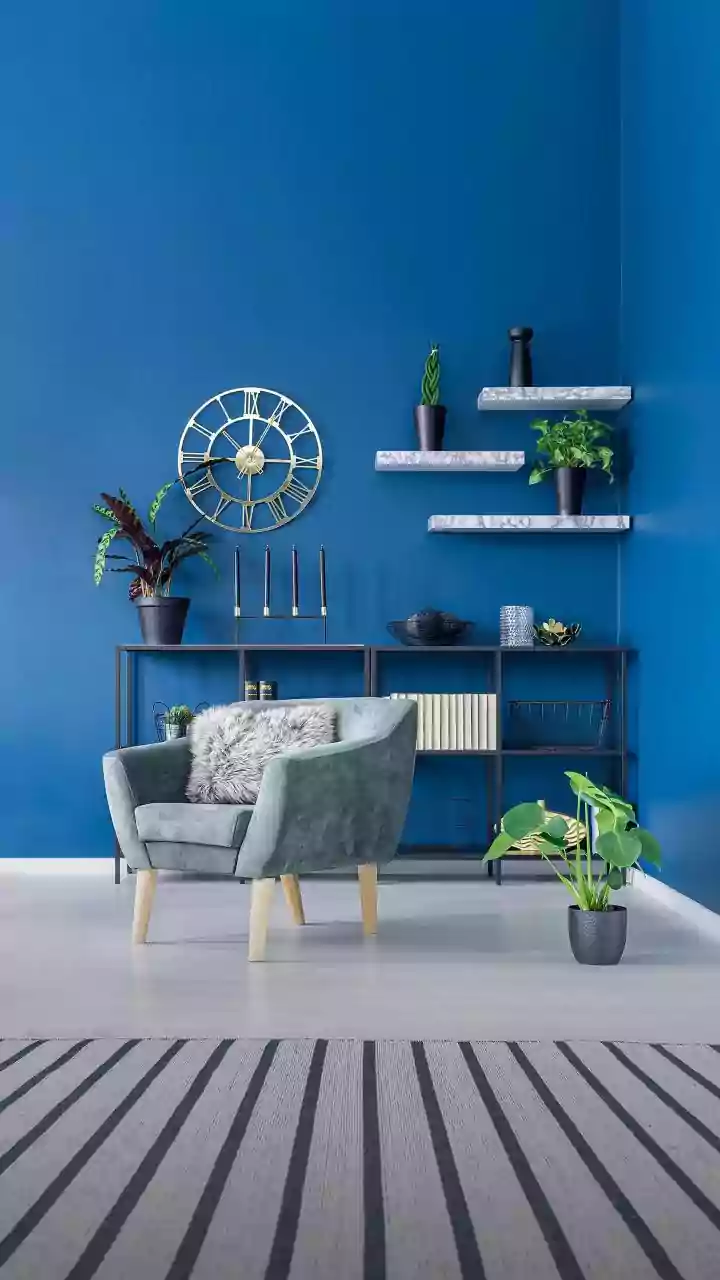
Stripes integrate beautifully with the rich textures and patterns common in Indian decor. A classic navy and white or a beige and white stripe can provide a clean, modern backdrop that makes traditional elements pop. Imagine a wall with subtle stripes behind a dark wood antique cabinet or a brightly embroidered jharokha. The stripes add structure without competing. Alternatively, embrace colour! A wall with saffron and white or teal and cream stripes can feel celebratory and vibrant, perfectly complementing block-printed textiles, brass decor, and colourful furnishings. Don’t be afraid to mix patterns. A striped wall can look stunning when paired with floral cushions or an ikat rug, as long as you maintain a consistent colour palette to tie everything together.