








The Chaos of Crowdsourced Advice
You’ve decided on a destination, and now the fun part begins: planning the itinerary. But almost immediately, the suggestions pour in. Your best friend insists you have to visit a specific cafe, a travel blog recommends a completely different neighbourhood,
and your cousin sends a list of “must-see” sights that are scattered all over the map. Soon, your group chat is a tangled mess of links, screenshots, and conflicting opinions. This information overload is a common travel woe, turning the exciting prospect of a holiday into a frustrating exercise in diplomacy. Trying to please everyone is impossible, and arguments can erupt before you’ve even booked a flight. The problem isn’t a lack of ideas; it’s the lack of a central place to organise them.
Introducing Your Digital Trip Manager
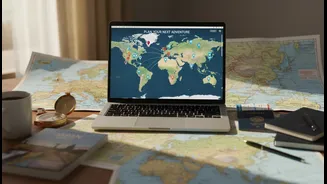
This is where a modern, collaborative route planner becomes essential. Forget the simple A-to-B navigation of traditional map apps; today's tools are sophisticated digital hubs designed for group travel. Think of it as a shared whiteboard for your trip. These applications allow everyone in your group to add their suggestions—restaurants, museums, landmarks, and hotels—onto a single, interactive map or list. Instead of ideas getting lost in a chaotic text thread, every suggestion is captured and visualised in one place. This creates a transparent and organised environment where planning is no longer a chore handled by one person, but a collaborative effort where everyone feels heard.
Turning Opinions into a Cohesive Plan
The true power of these route planners lies in their ability to resolve conflict and facilitate decision-making. Many apps include features that allow group members to vote on suggested activities or leave comments. This democratic approach helps build consensus without lengthy debates. Seeing all the options laid out on a map provides crucial context. Is that highly-recommended restaurant an hour away from your hotel? Is there a cluster of interesting sights in one area that you can visit together? The visual layout helps the group make logical, efficient choices based on geography and timing. Some AI-powered planners can even optimize your route, automatically arranging stops to minimise travel time between locations, which removes another layer of potential disagreement.
The Power of a Single Source of Truth
Once decisions are made, the planner creates a master itinerary that serves as the single source of truth for the entire group. This shared schedule can be updated in real-time, so if a dinner reservation changes or a new activity is added, everyone is notified simultaneously. There’s no more confusion over which version of the plan is the most current. It eliminates the classic travel day problem of one person having outdated information. Everyone knows where they need to be and when, because the definitive plan is accessible right on their phones, often with offline capabilities for when you're on the move.
Choosing the Right Tool for Your Group
There isn't one single app that is perfect for every trip, but the best ones share key features. Look for a planner that offers real-time collaboration, allowing multiple people to edit the itinerary at once. An interactive map is crucial for visualising your plans. Some of the most effective tools for group planning include Wanderlog, Tripsil, and Troupe, each offering features for collaborative itinerary building and decision-making. Even tools like Google Maps now allow for creating and sharing custom lists of places, which can be a simple but effective starting point. For more complex trips, look for apps that also integrate expense tracking to keep finances transparent and fair, which is another common source of travel friction.