




Beyond the Commercial Comfort Zone
When mango season arrives, a familiar cast of characters appears on menus: Mango Lassi, Aamras Puri, and perhaps a mango-infused cheesecake. These dishes are overwhelmingly made with commercially popular varieties like Alphonso, Kesar, or Banganapalli.
While delicious, this reliance on a few well-known cultivars means restaurants often miss out on the staggering diversity of India's mango heritage, which boasts over 1,500 varieties. Many chefs are not exposed to this wide array of options, and credible supply chains for lesser-known mangoes can be difficult to establish. This limits not only culinary creativity but also the potential to offer patrons a truly unique, regional dining experience that tells a story of local agriculture.
A Marketplace of Discovery
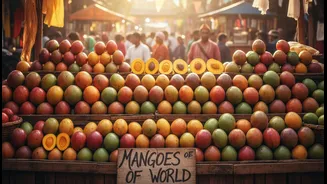
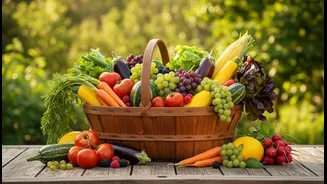
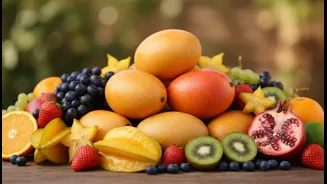
Enter the mango fair. Events like Delhi’s International Mango Festival, Lucknow's Mango Mahotsav, and numerous smaller regional gatherings are more than just consumer-facing celebrations; they are vibrant, tactical marketplaces. For a chef or restaurant owner, walking through a fair that displays hundreds of varieties—from the parrot-beaked Totapuri to the tangy Langra or the regal Dasheri—is a sensory masterclass. These festivals offer an unparalleled opportunity to see, touch, and taste a wide range of cultivars in one place. This direct exposure allows for immediate quality assessment and comparison, something that is impossible when sourcing through conventional wholesale channels.
Innovating the Summer Menu
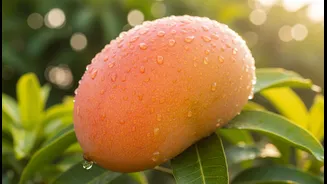
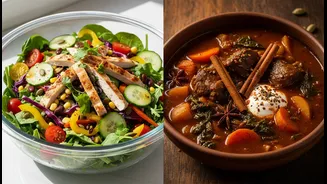
Tasting a dozen different mangoes side-by-side can spark immense culinary innovation. A chef might discover that the fibrous, tangy-sweet profile of a local variety is perfect for a savoury dish like a Kerala-style Meen Manga (fish mango curry) or a Gujarati Fajeto (mango kadhi), while another's firm, less-sweet flesh is ideal for a fresh salad. Mango fairs allow for strategic menu planning based on flavour profiles, textures, and even colours. A variety like Sindhura, with its reddish blush and sweet-tart taste, could inspire a beautiful dessert, while the unique aroma of the Malda mango could become the highlight of a signature cocktail. This direct engagement helps chefs move beyond generic 'mango' dishes and create specific, memorable offerings based on the unique characteristics of each fruit.
Forging Direct Farmer Relationships
One of the most significant advantages of attending these fairs is the chance to connect directly with farmers and producers. By cutting out intermediaries, restaurants can often secure better pricing, ensure fresher produce, and build a reliable supply chain for unique varieties that aren't available in mainstream markets. These events serve as a platform for farmers to market their produce and for chefs to find suppliers who can provide specific cultivars throughout their respective ripening periods. Establishing a direct relationship fosters trust and communication, allowing a chef to request specific levels of ripeness or learn about the fruit's origin story, which can then be passed on to the diner.
A Story on Every Plate
In today's competitive dining scene, a good story sells. Being able to tell customers that the mango in their dessert is a rare 'Azam us Samar' from a heritage farm near Hyderabad, or a 'Sakrekutty' from a small orchard in Karnataka, adds immense value and distinction to the dining experience. Sourcing locally and highlighting unique cultivars aligns with growing consumer interest in sustainability, regional heritage, and farm-to-table narratives. It transforms a simple seasonal menu into a celebration of India's rich agricultural biodiversity, making the restaurant a destination for true food enthusiasts eager to explore the authentic flavours of the region. These fairs are not just about buying fruit; they are about sourcing stories.