





The Invisible Threat
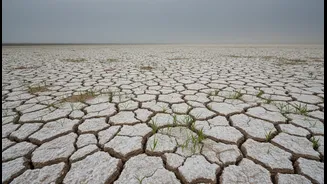
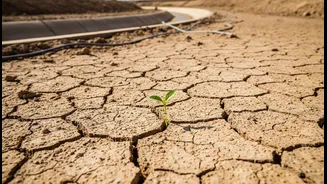
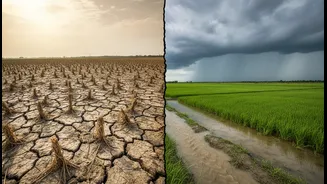
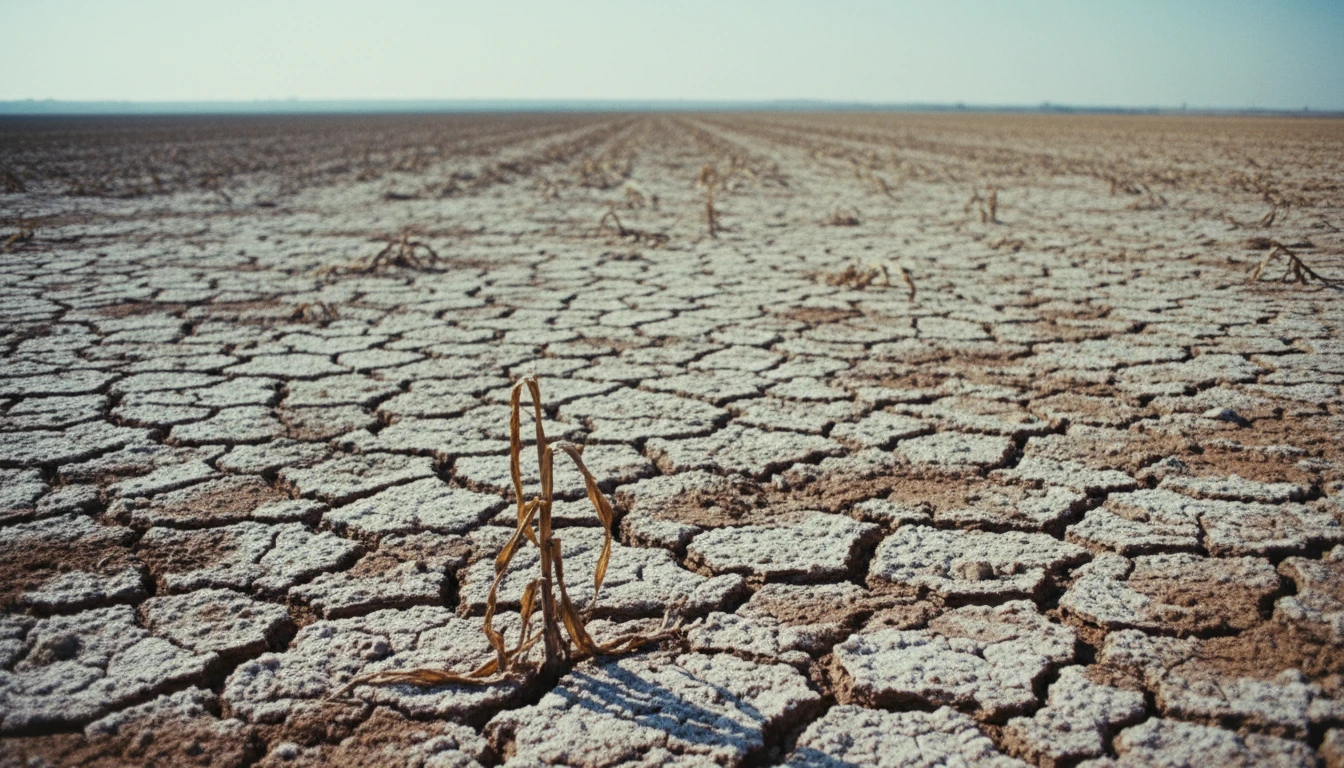
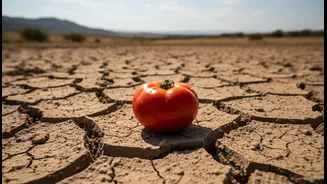
Soil salinity is the accumulation of soluble salts in the soil and water to levels that are harmful to crops. When salt concentrations become too high, plants struggle to absorb water, even in well-irrigated fields. This leads to what is known as physiological
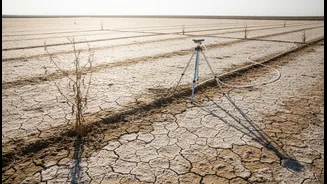
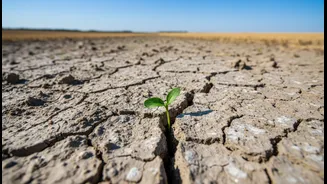
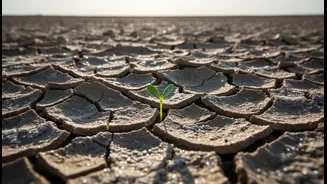
drought, where crops wilt and die despite the presence of moisture. The visible signs on the surface, like white crusty patches on dry land, are often the final indicators of a problem that has been building for years, slowly choking the life out of the soil. This process not only stunts plant growth and decimates yields but, in severe cases, can render productive agricultural land completely barren.
A Crisis of Scale
The problem is not isolated to a few unfortunate farms. According to multiple agricultural bodies, an estimated 6.7 to 7 million hectares of Indian farmland are currently salt-affected. To put that in perspective, it is an area larger than the entire state of Punjab. The most severely affected states include Gujarat, Uttar Pradesh, Maharashtra, West Bengal, and Rajasthan, which together account for about 75% of India's saline soils. More alarming are projections suggesting that if current trends continue, as much as 50% of India's arable land could become salt-affected by 2050, posing a grave threat to the nation's long-term food security.
The Unintended Consequences of Progress
Ironically, many of the causes of modern-day salinity are linked to the very practices that once fuelled India's agricultural boom. The extensive canal networks built during the Green Revolution, designed to bring water to arid regions, have led to over-irrigation in many areas. Without adequate drainage, this excess water causes the underground water table to rise, bringing dissolved natural salts up into the root zone. As the water evaporates under the hot sun, the salt is left behind. Furthermore, the over-extraction of groundwater, especially in coastal regions, allows seawater to seep into freshwater aquifers, contaminating the irrigation supply at its source. The heavy use of certain chemical fertilisers can also contribute to the build-up of salts in the soil over time.
The Human and Economic Cost
For India’s farmers, the consequences are devastating. Year after year, they watch their yields decline, sometimes by as much as 20-50%, even as they spend more on fertilisers and water. This vicious cycle often leads to mounting debt and, in some cases, forces farmers to abandon their land altogether. One estimate suggests India loses nearly 17 million tonnes of crops annually due to soil salinity and sodicity (a related issue caused by high sodium content). This isn't just a loss for individual farmers; it's a direct hit on the national food basket and the economic stability of rural communities that depend entirely on agriculture.
Pathways to a Healthier Harvest
The reality check, however, is not a death sentence for Indian agriculture. Scientists and policymakers are actively working on a multi-pronged strategy to combat salinity. The Indian Council of Agricultural Research (ICAR) and its institutes, like the Central Soil Salinity Research Institute (CSSRI), are at the forefront of this effort. Key solutions include the promotion of salt-tolerant crop varieties, with several high-yielding types of rice, wheat, and mustard already developed and released to farmers. On the ground, techniques like gypsum application to reclaim sodic soils and the installation of sub-surface drainage systems to leach excess salts have shown significant success. Furthermore, a push towards smarter water use, including drip and sprinkler irrigation, is critical to preventing the problem from worsening.