






Pre-Monsoon Preparation is Key
Getting ahead of the rains is your best strategy. Before the monsoon fully sets in, give your motorcycle or bicycle a thorough service. For motorcycles, this means checking the engine oil, cleaning the air filter, and ensuring all electrical components
are in order. Apply a layer of wax polish to the body and an anti-rust coating on the undercarriage to create a protective barrier against moisture. Check your tyres for adequate tread depth, as worn tyres are extremely dangerous on wet roads. Finally, ensure all your lights and indicators are working perfectly for better visibility in downpours.
Parking and Covering: Your First Defence
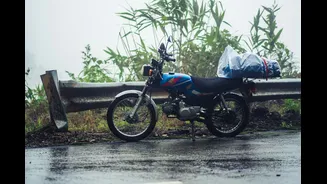
Where you park your vehicle is crucial. If possible, always choose a covered or indoor parking spot to shield it from direct rain. If you must park outdoors, invest in a high-quality, breathable, waterproof cover. Avoid cheap plastic tarps, as they can trap moisture underneath, potentially causing more harm by creating a humid environment that accelerates rust. Before covering your vehicle, make sure it is completely dry; covering a wet bike will only trap moisture and encourage corrosion.
The Chain and Brakes Need Extra Love
The drive chain is one of the most vulnerable parts during the monsoon. Rain washes away lubricant, while mud and grit act like sandpaper, causing rust and rapid wear. Clean and lubricate your chain much more frequently during this season, ideally with a 'wet' or water-resistant lube designed for rainy conditions. Similarly, brakes require special attention. Wet brake pads and discs have reduced stopping power. After riding through water, gently apply the brakes a few times at low speed to help dry them and clear debris. Regularly check brake fluid levels and pad wear.
Protecting Electricals and Preventing Rust
Moisture is the enemy of your vehicle's electrical systems. For motorcycles, exposed wiring and connectors are at high risk. Before the season starts, consider applying dielectric grease to electrical connectors to waterproof them. Ensure the spark plug cap is secure and dry. Rust can quickly take hold on any exposed metal parts, nuts, and bolts. A post-ride wipe-down with a dry cloth is a simple but highly effective habit. You can also use an anti-rust spray on vulnerable metal components for an extra layer of protection.
The Dangers of Waterlogging
Riding through flooded streets is one of the worst things you can do to your motorcycle. Water can enter the engine through the air intake or exhaust, causing a catastrophic failure known as hydrolock. If your vehicle gets submerged in floodwater, do not, under any circumstances, try to start it. This can cause irreversible internal damage. The first step is to disconnect the battery to prevent short circuits. Then, move the vehicle to a dry place and get professional help to drain the water from the engine, exhaust, and fuel tank.
Dedicated Care for Bicycles
Bicycles, especially geared ones, also suffer in the rain. After every wet ride, give your bicycle a quick rinse to remove mud, then wipe it down thoroughly, paying special attention to the chain, derailleurs, and cassette. Like with motorcycles, switch to a wet-weather chain lubricant. Check your brake pads, as grit and mud can wear them down quickly. To prevent water from pooling inside the frame, you can remove the seat post and turn the bike upside down to drain it. Installing a good set of mudguards or fenders will also go a long way in keeping both you and your bike cleaner.