





The Clean Label Revolution
Walk into any urban café today, and you'll notice a significant shift on the beverage menu. The neon-green mint mojitos and saccharine fruit punches are being replaced by drinks with a more natural, authentic appeal. This change is driven by a powerful
consumer movement towards 'clean labels'. Health-conscious individuals, particularly millennials and Gen Z, are no longer satisfied with synthetic flavours and hidden sugars. They are actively seeking transparency and natural ingredients in what they consume. According to market research, a significant majority of global consumers are trying to avoid artificial ingredients, and this trend is rapidly shaping India's beverage landscape. People are reading labels, asking questions, and are even willing to pay more for drinks made with real, recognizable ingredients. This has pushed brands and cafes to innovate, moving away from convenient but artificial syrups and towards crafting beverages that are both flavourful and free from synthetic additives.
The Art of Slow Steeping
At the heart of this trend is the method of cold brewing, also known as slow steeping. Unlike traditional iced tea, which involves brewing tea with hot water and then cooling it down, cold brewing uses time instead of temperature to extract flavour. Tea leaves are steeped in cold or room-temperature water for several hours, often overnight in a refrigerator. This gentle, slow process has a transformative effect on the tea's profile. Hot water tends to release tannins quickly, which can result in a bitter or astringent taste. Cold water, however, coaxes out the smoother, sweeter, and more nuanced notes of the tea, virtually eliminating bitterness. The result is a naturally sweet and silky brew that often requires little to no added sugar. This method is also incredibly forgiving; it's almost impossible to over-steep, and it produces a tea with slightly less caffeine.
Spotlight On Vetiver’s Earthy Coolness
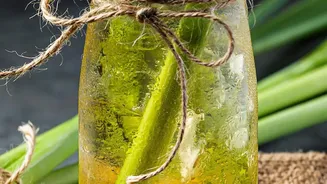
One of the most intriguing botanicals finding its way into these modern cold teas is vetiver, known locally as khus. Traditionally used in India for centuries to make cooling 'sharbats', vetiver root imparts a uniquely earthy, woody, and musky aroma. Its flavour is complex and deeply refreshing, often described as reminiscent of a forest floor after the first rain. Khus has long been celebrated for its natural cooling properties, making it a perfect ingredient for combating India's summer heat. When infused into a slow-steeped tea, vetiver adds a sophisticated, grounding note that pairs beautifully with the natural sweetness of the tea leaves. It’s a flavour that moves beyond simple sweetness, offering a more complex and aromatic drinking experience that feels both traditional and refreshingly modern.
The Vibrant Tang of Hibiscus
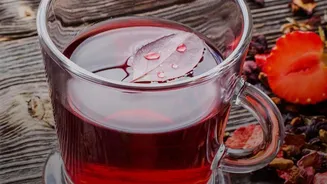
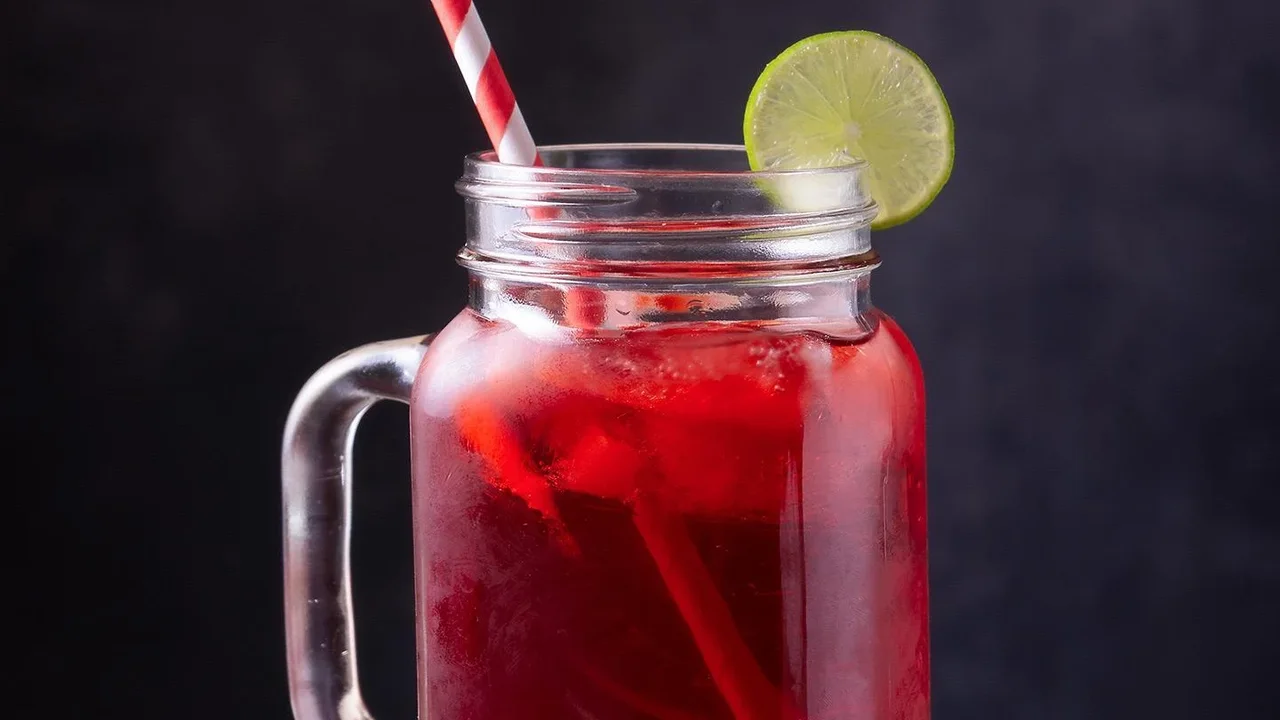
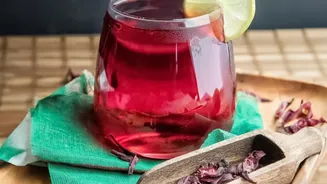
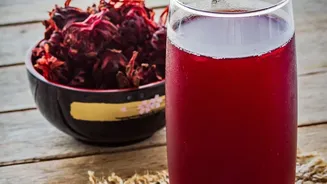
Another star ingredient in this botanical beverage trend is the hibiscus flower. Known for its stunning, deep crimson hue, hibiscus creates an infusion that is as visually appealing as it is delicious. The flavour profile is distinctly tart and fruity, often compared to cranberries or pomegranate, with floral undertones. This natural tartness provides a refreshing counterpoint to the sweetness of other ingredients and makes for a wonderfully balanced drink. Beyond its taste and colour, hibiscus tea is naturally caffeine-free and is often associated with various wellness benefits, including being rich in antioxidants. Brands across India are incorporating hibiscus into their iced tea blends, creating vibrant, all-natural drinks that cater to the growing demand for functional and flavourful beverages.
A Sip of Authenticity
This move towards botanicals like vetiver and hibiscus in slow-steeped teas is more than just a fleeting trend; it’s a reflection of a larger cultural shift. Consumers are embracing authenticity, wellness, and a connection to nature. They want drinks with a story, made from ingredients they can understand. Whether it’s the earthy depth of khus or the floral tang of hibiscus, these natural infusions offer a sensory experience that artificial syrups simply cannot replicate. The rise of artisanal cold brews, particularly using high-quality Indian teas like those from Nilgiri and Darjeeling, showcases a newfound appreciation for the craft of beverage making. It marks a return to flavour in its purest form, where the ingredients are the heroes.