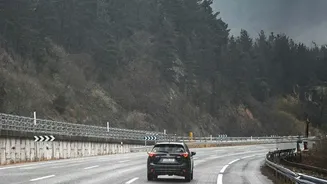




Your Vehicle: The First Line of Defence
Before you even think about packing, your vehicle demands a thorough inspection. Start with the tyres, your car's only contact with treacherous roads. Ensure they have adequate tread depth to grip wet surfaces and prevent skidding. Check for proper inflation,
as both underinflated and overinflated tyres can compromise handling on winding roads. Next, inspect your brakes. They will be under immense stress during steep descents, so ensure the brake fluid is at the correct level and the system is responsive. Finally, verify that your windshield wipers are in excellent condition, not leaving streaks that could impair vision. Top up your washer fluid and check that all lights—headlights, tail lights, and especially fog lights—are working perfectly for navigating low-visibility conditions.
Plan Your Route with Caution
During the monsoon, the shortest route is not always the safest. Heavy rainfall can trigger landslides and flash floods, leading to sudden road closures. Before you depart, check the latest weather forecasts from reliable sources like the India Meteorological Department (IMD). Pay close attention to district-level alerts rather than just state-wide forecasts. Avoid travel if an orange or red alert has been issued for your route. It's wise to consult with locals or your hotel about the current road conditions, as they often have the most up-to-date information. Always have a backup route planned and download offline maps, as mobile connectivity can be unreliable in remote hilly regions. Inform a friend or family member of your detailed itinerary and expected return time.
Pack a Monsoon-Specific Emergency Kit
A standard first-aid kit is a good start, but monsoon travel in the hills requires additional supplies. Your kit should include high-energy snacks like protein bars and nuts, along with an ample supply of drinking water in case you get stranded. A powerful torch with extra batteries, a fully charged power bank, and jumper cables are non-negotiable. Pack a sturdy rope, which can be invaluable in tricky situations. Also, include essential medicines, particularly for stomach ailments, and a hand sanitizer. For personal comfort and safety, pack a lightweight raincoat or poncho, as umbrellas are often ineffective against strong winds on hillsides. Keep important documents like your driving license, vehicle registration, and ID proofs in a waterproof pouch or bag.
Essential Driving and Safety Protocols
Once on the road, your driving style needs to adapt to the conditions. Reduce your speed significantly and maintain a greater following distance from the vehicle ahead. Avoid sudden braking, sharp turns, and aggressive overtaking. When descending steep slopes, use lower gears to engage engine braking, which prevents your brakes from overheating. Be extremely vigilant for warning signs of a landslide, such as rumbling sounds, tilted trees, or small trickles of mud. If caught in heavy fog, use your low beams or fog lights, as high beams can reflect off the moisture and worsen visibility. It's highly advisable to avoid driving after dark when visibility is poor and the risk of encountering fallen rocks or blocked roads is higher.
What If You Get Stuck?
Despite all precautions, you might find your path blocked by a landslide or a fallen tree. The first rule is not to panic. If your vehicle is in a stable position and away from any immediate danger of further slides, it is often safest to stay inside. Your car provides protection and makes it easier for rescue teams to spot you. If you must leave the vehicle due to imminent danger, move to higher ground away from the slide path. Before exiting, check for any downed power lines, which are a common hazard. Try to establish communication, but don't drain your phone's battery. Use your emergency supplies wisely and wait for conditions to improve or for help to arrive. Having a buffer day in your itinerary can reduce the stress of such delays.