


The year 2027 is brimming with opportunities for the strategic traveller. By smartly planning your leaves around the public holidays, you can unlock a surprising number of long weekends and extended breaks. Here is your guide to maximising your vacation
days.
January: A Republic Day Bonus
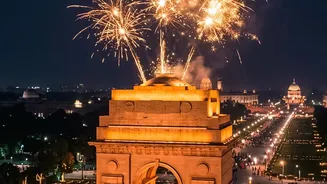
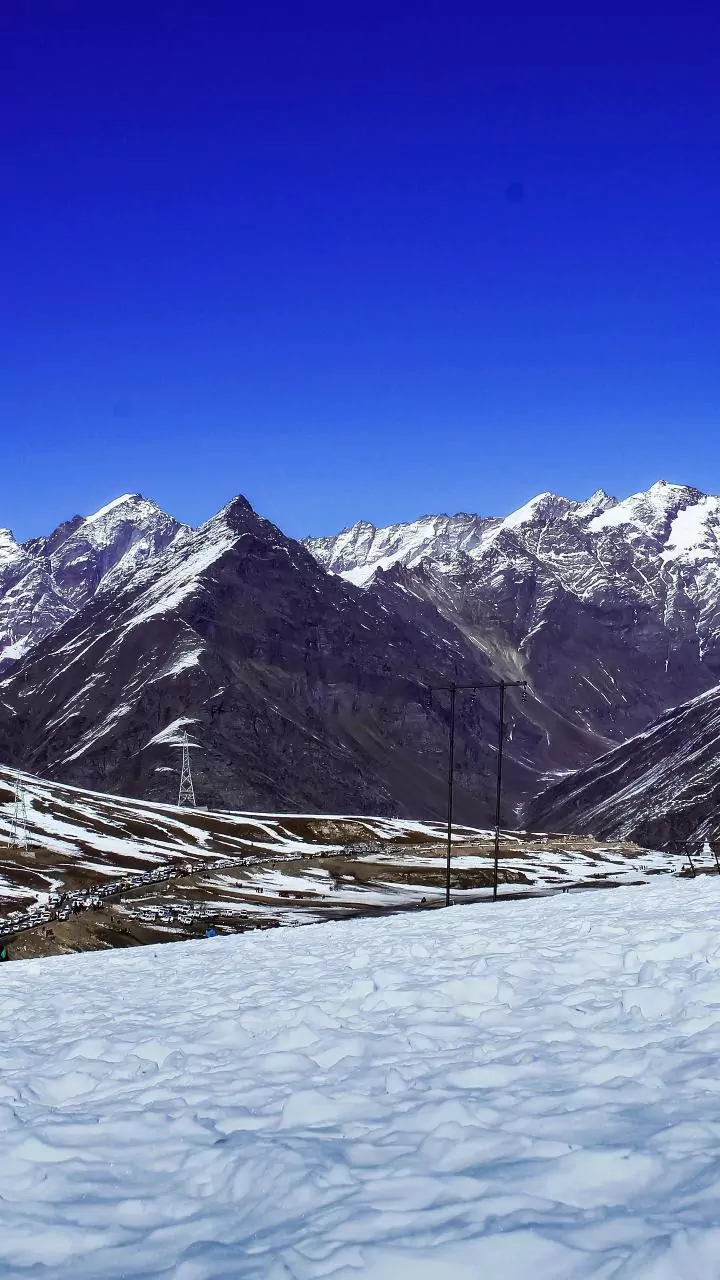
The year kicks off with a fantastic opportunity for a quick getaway. Republic Day falls on a Tuesday (January 26). By simply taking a day of leave on Monday, January 25, you can create a comfortable four-day weekend from Saturday, January 23 to Tuesday, January 26. This is perfect for a short trip to a nearby hill station or a city break to explore destinations like Jaipur or Agra before the peak season rush. It’s an easy and efficient way to start your travel year on a high note without dipping too much into your annual leave balance.
March: The Ultimate Nine-Day Break
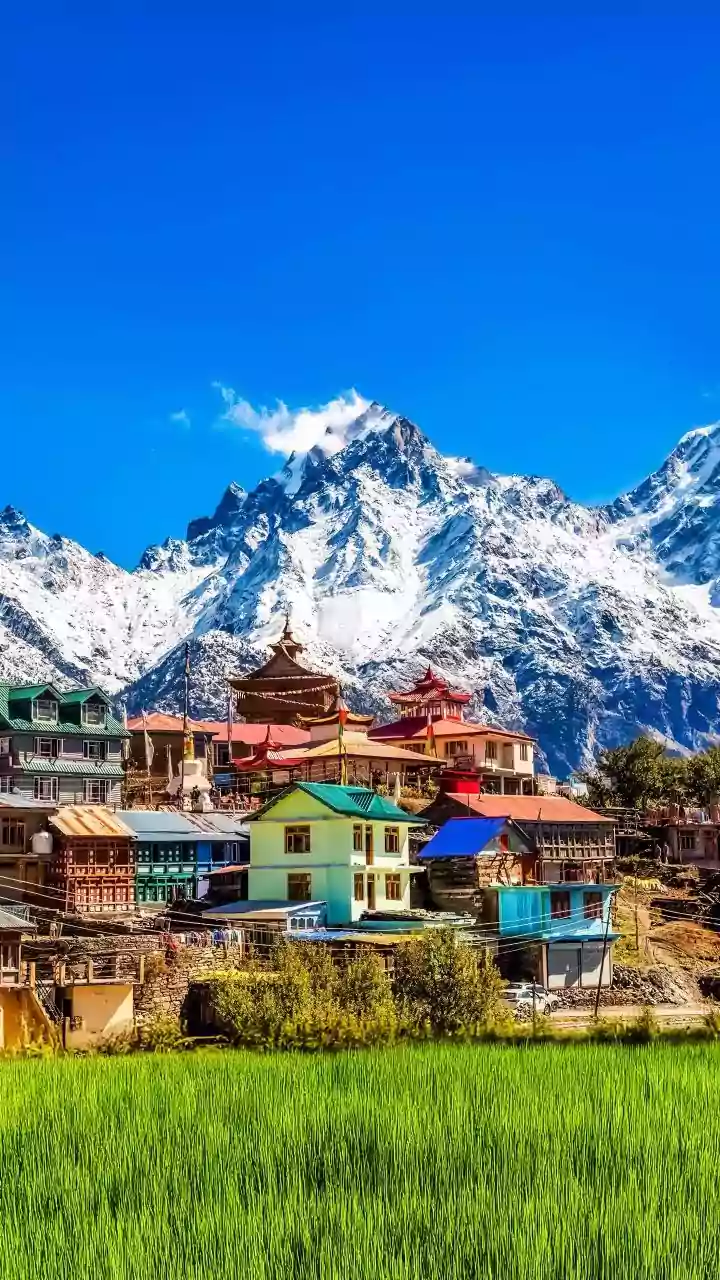
March 2027 is a goldmine for travellers. The month features two major holidays in close succession: Holi and Good Friday. Holi falls on Tuesday, March 23 (with some observances on Monday, March 22). A few days later, Good Friday is on March 26. If your office observes Holi on Tuesday, taking leave on Monday (March 22), Wednesday (March 24), and Thursday (March 25) connects two weekends. This incredible alignment gives you a nine-day holiday from Saturday, March 20, to Sunday, March 28, for the cost of just three days of leave. This is long enough for an international trip or a deep dive into a region within India.
April and May: Spring into More Holidays
The holiday streak continues into spring. Ram Navami is on Thursday, April 15, followed by Mahavir Jayanti on Monday, April 19. Taking a single day of leave on Friday, April 16, creates a five-day mini-vacation. May also offers two significant opportunities. Id-ul-Zuha (Bakrid) is expected on Monday, May 17, giving you a three-day weekend without taking any leave. Just a few days later, Buddha Purnima falls on Thursday, May 20. Taking leave on Friday, May 21, results in another four-day break. For the truly ambitious, bridging the gap between Bakrid and Buddha Purnima with three days of leave can result in a nine-day holiday.
August: A Quiet Month with a Small Window
After a busy spring, the monsoon months are quieter. Unfortunately, Independence Day (August 15) falls on a Sunday in 2027, meaning no extra day off for most. However, there's still a chance for a break. Janmashtami, a restricted holiday in many organisations, is on Wednesday, August 25. By taking leave on Thursday and Friday, you could craft a five-day escape. Alternatively, Raksha Bandhan (a restricted holiday) on Tuesday, August 17, can be turned into a four_day weekend by taking Monday off. It’s a good time to check your company's policy on restricted holidays.
October and November: The Grand Diwali Weekend
The festive season brings one of the year's most straightforward long weekends. Gandhi Jayanti (October 2) and Dussehra (October 9) both fall on a Saturday, offering no weekday advantage. The real prize is Diwali, which lands on Friday, October 29. This automatically creates a three_day weekend from Friday, October 29, to Sunday, October 31, perfect for family celebrations or a short trip. The five_day Diwali festival period begins with Dhanteras on Wednesday, October 27, so taking a couple of days off before the main holiday can extend your break even further. Guru Nanak's Birthday, however, falls on Sunday, November 14.
December: A Quiet End to the Year
The year winds down with Christmas on Saturday, December 25. Since it falls on a weekend, it doesn't create an automatic long weekend for those with a standard Monday–to–Friday work week. However, many companies offer a restricted holiday for Christmas Eve, which is a Friday in $year$. If you can avail this$, you get $a$ pleasant three–day weekend to wrap up the year$. It's $a$ perfect time for $a$ staycation or $a$ relaxed local trip to enjoy the festive atmosphere without the stress of long–distance travel.