




The Threat From Across The Border
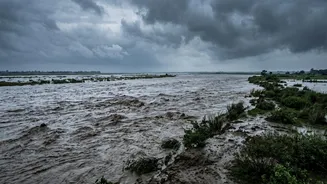
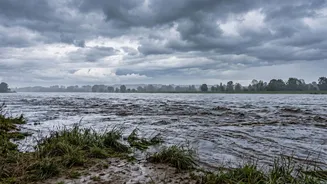
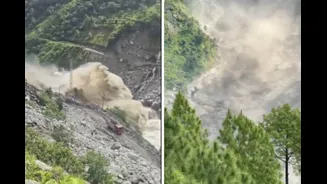
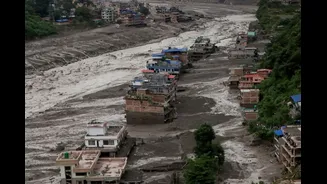
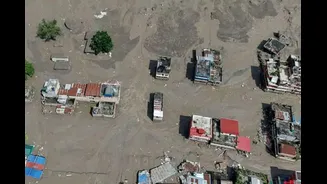
On Wednesday morning, a massive flash flood, reportedly triggered by an earthquake or glacial activity in Tibet, caused Nepal's Bhote Koshi River to surge violently. This river, which becomes the Trishuli and then the Narayani in Nepal, feeds directly
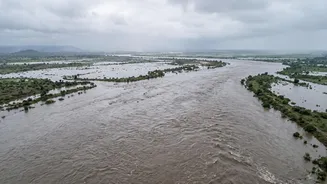
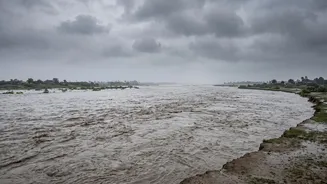
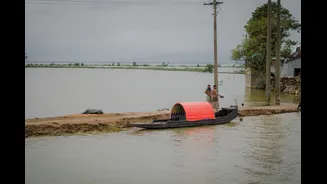
into the Gandak river, a major waterway flowing through northern Bihar. The sudden deluge, which caused widespread destruction in Nepal's Rasuwa, Nuwakot, and Dhading districts, sent a massive volume of water hurtling downstream toward India. Authorities projected a massive inflow, potentially raising the discharge at the Gandak Barrage from a normal 80,000 cusecs to around 250,000 cusecs, creating an imminent flood threat for several downstream districts in Bihar.
Mobilising A Multi-Agency Response
In response, Bihar's disaster management apparatus went into high gear. Chief Minister Samrat Choudhary chaired high-level review meetings, and Union Home Minister Amit Shah assured full central government support. The National Disaster Response Force (NDRF) and the State Disaster Response Force (SDRF) were immediately put on high alert. A total of nine NDRF teams have been deployed across Bihar, with special teams pre-positioned in the most vulnerable districts within the Gandak basin, such as West Champaran and Muzaffarpur, to handle rescue and relief operations. The Sashastra Seema Bal (SSB) also activated its rescue and relief teams along the India-Nepal border.
On-the-Ground Preparations
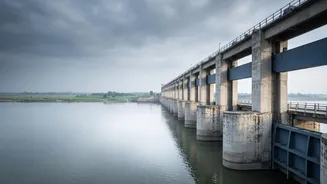
The primary focus on the ground has been proactive prevention and preparedness. As a key precautionary measure, engineers at the Gandak Barrage in Valmikinagar opened all 36 of its gates to ensure the smooth passage of the anticipated flood surge and reduce pressure on the structure. District administrations in at-risk areas were instructed to begin evacuating people from low-lying villages. In West Champaran, around 5,000 people were moved from the riverine area to safer locations. Officials have been ordered to conduct round-the-clock patrols of embankments, stock flood-response materials, and prepare evacuation plans, including readying shelters and community kitchens. Public address systems are being used to warn residents in sensitive areas.
The Vulnerable Districts
The districts placed on highest alert lie directly in the Gandak's path. These include West Champaran, East Champaran, Gopalganj, Saran, Muzaffarpur, and Vaishali. Authorities in nearby districts like Sitamarhi and Sheohar have also been instructed to remain vigilant. These regions have a long and painful history with floods, often originating from rivers flowing out of Nepal. The Gandak and Kosi rivers, both originating in the Himalayas, have repeatedly caused widespread devastation, earning the Kosi the grim moniker "Sorrow of Bihar." This shared geography and hydrology mean that any major hydrological event in Nepal's upper catchments is a direct and immediate concern for millions in North Bihar.