





The Processed Cereal Problem
Many popular breakfast cereals, even those marketed as healthy, are highly processed. During manufacturing, grains are often refined, stripping them of fibre and nutrients. They are then reshaped and, in many cases, loaded with added sugar. These are simple
carbohydrates that your body digests very quickly. This leads to a rapid spike in blood sugar, giving you a short-lived burst of energy. However, this is swiftly followed by an insulin surge that causes your blood sugar to plummet, often below baseline levels. This 'sugar crash' is what leaves you feeling tired, irritable, and hungry long before your next meal. The processing itself, such as extrusion, alters the grain's structure so much that it becomes rapidly digestible, giving even unsweetened cereals like cornflakes a very high glycemic index, sometimes higher than table sugar itself.
The Khapli Wheat Advantage
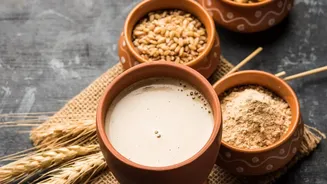
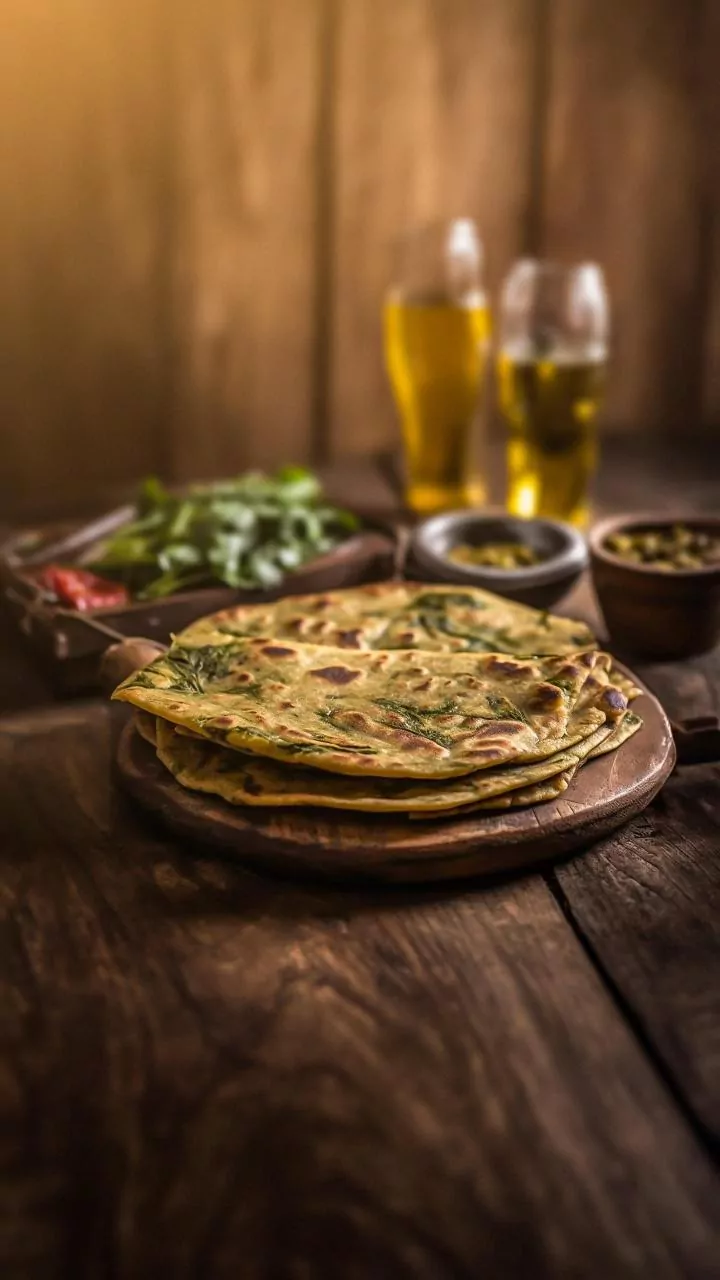
Enter the traditional Indian breakfast, a stark contrast to its processed counterpart. Khapli wheat, also known as emmer wheat, is an ancient grain that has been cultivated in India for centuries. Unlike modern, highly hybridized wheat, khapli retains more of its natural nutrients. It is rich in protein, fibre, and essential minerals like magnesium, iron, and zinc. Critically, it has a lower glycemic index compared to both regular wheat and especially the refined starches in cereals. This means it releases sugar into the bloodstream slowly and steadily, providing sustained energy instead of a sharp peak and trough. Many people also find khapli wheat's gluten structure easier to digest, leading to less bloating and discomfort compared to modern wheat products.
The Science of Sustained Fuel
The key difference lies in complex versus simple carbohydrates. Khapli wheat is a source of complex carbohydrates. These are made of long chains of sugar molecules that the body has to work harder to break down. This slow digestive process ensures a gradual release of glucose, providing a stable and lasting source of energy for your body and brain. The high fibre content in khapli wheat plays a crucial role here. Fibre slows down digestion, promotes a feeling of fullness, and helps manage blood sugar control, all of which are essential for maintaining consistent energy levels throughout the morning. This prevents the metabolic stress and subsequent fatigue associated with the rapid absorption of simple sugars from processed foods.
A More Complete Meal
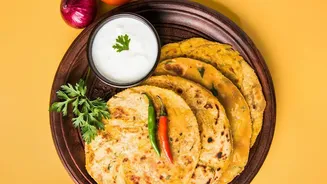
A khapli paratha is rarely eaten alone. It's typically served with curd, pickle, or a side of vegetables or dal. This transforms breakfast from a simple carb-load into a balanced meal. The curd adds protein and probiotics, the vegetables contribute vitamins and more fibre, and a dal adds plant-based protein. This combination of protein, healthy fats, and complex carbohydrates further slows down digestion and enhances satiety. You feel full and satisfied for longer, reducing the temptation to reach for unhealthy mid-morning snacks. This balanced nutritional profile supports not just energy, but overall metabolic health, gut health, and can even aid in weight management by preventing overeating later in the day.