
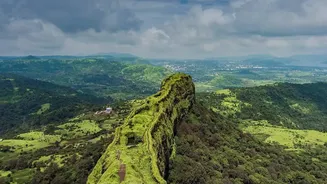
Satara: The Plateau of a Million Flowers
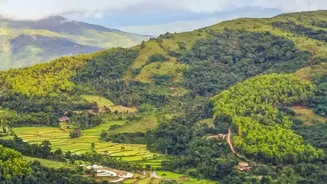
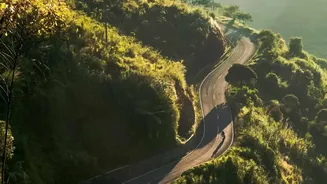
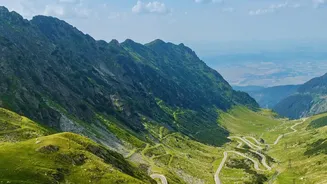
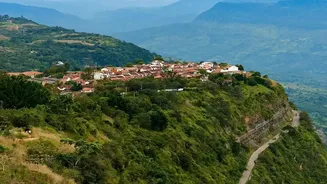
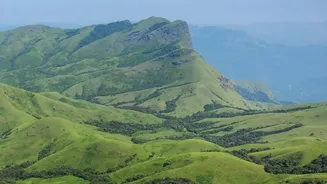
A road trip around Satara from September to October is a visual delight. This is when the region sheds its monsoon intensity and embraces a gentler, cooler climate, making it ideal for exploration. The star attraction is the Kaas Plateau, a UNESCO World
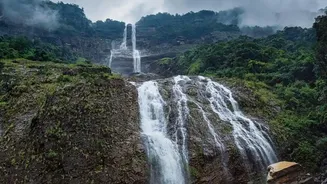
Natural Heritage site that transforms into a vibrant carpet of over 850 species of wildflowers. The bloom typically peaks in late September, drawing nature lovers and photographers alike. The drive from Satara town to the plateau is a scenic 25-kilometre journey through winding roads and lush hills. Beyond Kaas, the journey continues to the magnificent Thoseghar Waterfalls, located about 20 km from Satara. These powerful cascades, with some falls dropping from a height of 200 metres, are at their most spectacular post-monsoon. Viewing platforms offer breathtaking sights of the water plunging into a deep gorge. For a dose of history and spirituality, visit Sajjangad Fort, the final resting place of Saint Samarth Ramdas. Perched on a hill, it provides panoramic views of the surrounding valleys, which are especially serene in the misty mornings after the rains.
Coorg: Through Coffee Estates and Gushing Falls
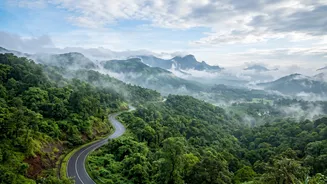
Known as the Scotland of India, Coorg (Kodagu) is arguably at its most beautiful during and right after the monsoon. A road trip here is an immersive experience through winding roads flanked by dense coffee and spice plantations. The drive from Bangalore, typically around 6 hours, becomes a journey through a green paradise. A must-visit is Abbey Falls, which is at its thundering best post-monsoon, cascading down from a height of about 70 feet amidst the greenery. A hanging bridge provides a perfect vantage point for photos. Another gem is Iruppu Falls, located in the Brahmagiri Range. Also known as Lakshmana Tirtha Falls, it’s a site of both natural beauty and spiritual significance, best visited when the water flow is strong. For panoramic views, head to Raja's Seat in Madikeri, a garden that was once the favourite spot of Kodagu kings to watch the sunset over the mist-filled valleys. For a slightly off-road adventure, a jeep ride to Mandalpatti viewpoint is highly recommended. Locally known as 'Mugilupete' or 'market of clouds,' it offers sweeping views of the grasslands and hills of the Pushpagiri forest reserve.
Mahabaleshwar: Viewpoints, Valleys, and Waterfalls
Mahabaleshwar, the queen of hill stations in Maharashtra, is a classic post-monsoon destination. The air is crisp and clean, and the landscape is saturated in green. The road trip itself, often from Mumbai or Pune, winds through the scenic Ambenali Ghat, offering panoramic views of the valley. One of the most famous sights is Lingmala Waterfall, which is spectacular during this season as it cascades from a height of about 500 feet. A short trek leads you to viewpoints offering stunning vistas of the falls. For a different perspective, Dhobi Waterfall is another accessible spot, perfect for a peaceful break. The waterfall, which empties into the Koyna River, is surrounded by lush greenery and praised for its tranquil environment. No trip to Mahabaleshwar is complete without visiting its famous viewpoints. Arthur's Seat provides a stunning view of the deep Savitri gorge, while Lodwick Point offers an unmatched view of Pratapgad Fort and Elphinstone Point. Pratapgad Fort itself is a great excursion for history enthusiasts, providing a glimpse into Maratha heritage along with staggering views of the Konkan coast.