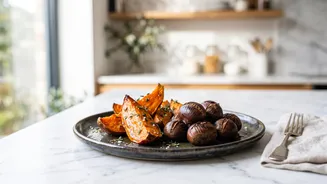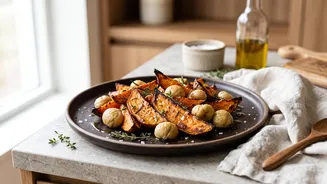

As the air turns crisp, our kitchens welcome the comforting embrace of starchy foods. Among the seasonal favourites are sweet potatoes and chestnuts, two staples that deliver satisfying heft but offer surprisingly different textural experiences.
A Shared Starchy Foundation
At first
glance, sweet potatoes and chestnuts seem worlds apart. One is a root vegetable, the other a nut. Yet, they share a crucial characteristic: both are packed with starch. This is unusual for a nut, as most are high in fat and protein. Chestnuts, however, break the mould with their significant carbohydrate content, which aligns them texturally with tubers like the sweet potato. This high starch content is why both can be roasted, boiled, or puréed into comforting dishes, providing a substantial, satisfying bite that defines many autumn and winter meals. Both serve as the energy storage for their respective plants, and it is this stored energy, in the form of complex carbohydrates, that we seek out in the kitchen.
The Sweet Potato’s Creamy, Moist Character
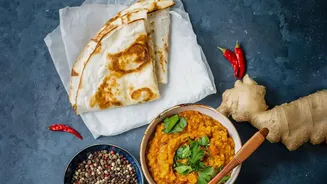
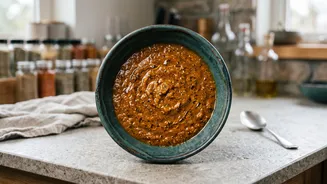
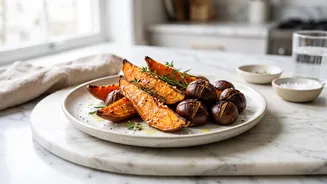
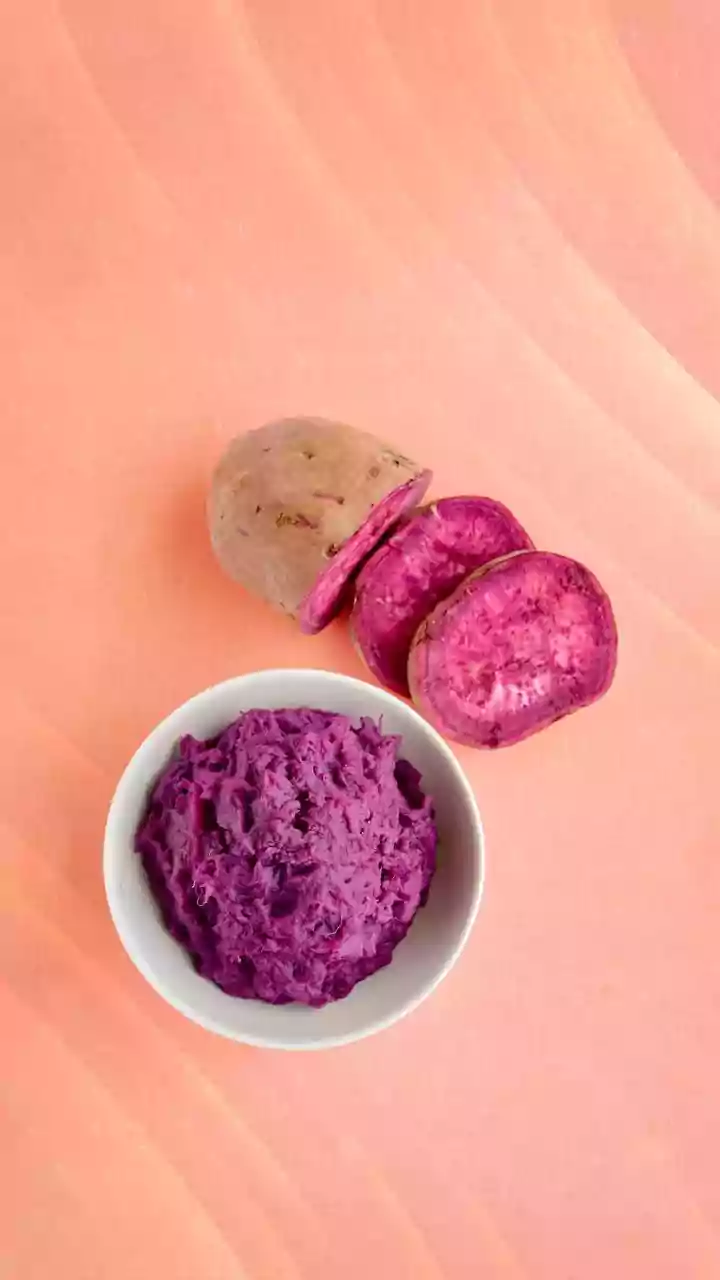
The sweet potato is beloved for its versatile texture, which can range from fluffy to downright creamy. This is largely due to its moisture content and a specific mix of starches. Common orange-fleshed varieties like Beauregard and Garnet are high in moisture, which helps create a soft, smooth consistency when cooked, making them ideal for mashes, pies, and casseroles. The starches in sweet potatoes convert to sugars during cooking, contributing to their signature sweetness and a texture that can feel almost custardy. Roasting, in particular, enhances this by evaporating some water and concentrating the sugars, resulting in a caramelised exterior and a tender, spoonable interior. This makes sweet potato a go-to for both savoury dishes like curries and street-food style chaat, as well as desserts like halwa.
The Chestnut’s Dense, Crumbly Charm
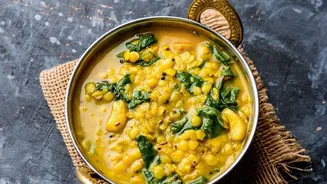
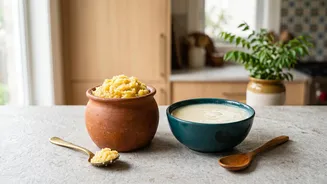
Chestnuts offer a completely different textural journey. When cooked, they develop a firm, dense, and often crumbly or floury mouthfeel. This is because, compared to sweet potatoes, they have a lower moisture content and a different starch structure. Their texture is often compared to that of a perfectly baked potato or, fittingly, certain dry, starchy varieties of sweet potato that are even nicknamed 'chestnut-type' for their similar fluffiness. This makes roasted chestnuts a classic standalone snack, but their unique texture also makes them a wonderful addition to stuffings, curries, and pulaos, where they can absorb flavours while holding their shape. Their subtle sweetness and nutty flavour are a bonus.
The Science Behind the Texture
The textural differences between these two ingredients come down to a bit of kitchen chemistry, specifically the ratio of two starch molecules: amylose and amylopectin. Starches high in amylopectin, a highly branched molecule, tend to create softer, stickier, and more viscous textures when cooked. This is the magic behind the creamy consistency of many sweet potato varieties. Conversely, starches with a higher proportion of amylose, a more linear molecule, result in firmer, fluffier, and more separate granules after cooking—think of a perfectly flaky baked potato. The floury, crumbly nature of a cooked chestnut is thanks to its higher amylose content, which gives it a denser and less gelatinous structure.
Embracing Their Differences in the Kitchen
Understanding these textural nuances allows a cook to use each ingredient to its full potential. The creamy, moist sweet potato is perfect for creating smooth purées, hearty mashes like Shakarkandi Bharta, and rich, thick curries where it can melt into the sauce. Its ability to become soft makes it a fantastic binder in dishes like tikkis or cutlets. Chestnuts, with their firm and crumbly texture, are stars in dishes where you want a distinct, toothsome bite. They are excellent in a vegetable curry or a festive rice pilaf, absorbing the surrounding spices without falling apart. They can also be ground into flour for gluten-free baking or used to create unique chutneys and dips. Frying battered chestnuts for an Indo-Chinese style dish is another way to celebrate their firm texture.