



1. The Peace Lily
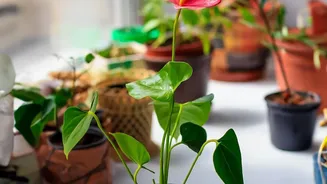
A standout for both its beauty and function, the Peace Lily is a top choice for tackling indoor humidity. Its large, glossy leaves are not just for show; they absorb moisture directly from the air. This plant thrives in humid conditions, making it perfect
for bathrooms and kitchens where steam and moisture accumulate. As a bonus, it is known for its ability to absorb airborne mould spores, helping to keep the air cleaner. It’s also famously low-maintenance and can tolerate lower light conditions, a common scenario in many rental apartments. You'll know it's thirsty when its leaves start to droop, and it bounces back quickly after watering.
2. The Areca Palm
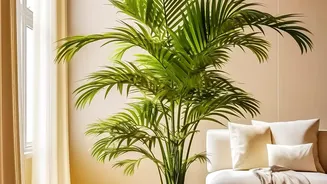
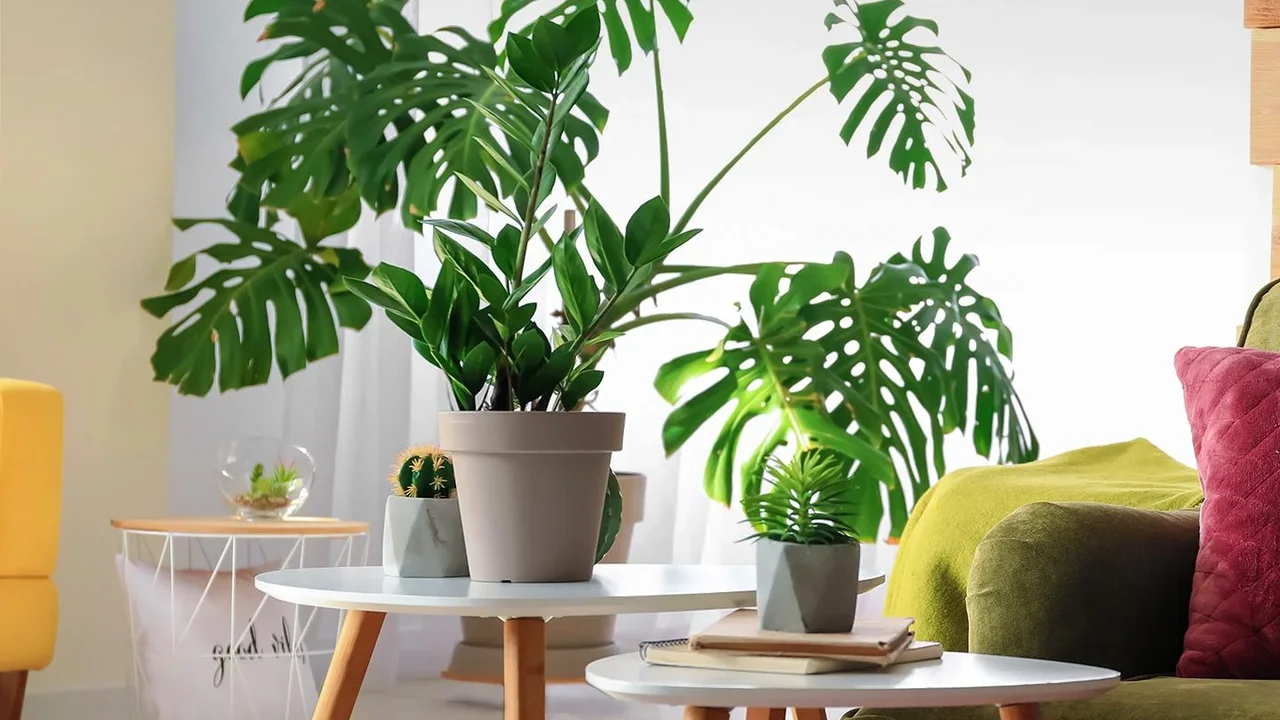
If you have the space, the Areca Palm is a fantastic natural dehumidifier. Its lush, feathery fronds release a significant amount of moisture through transpiration, a process that helps balance the humidity levels in a room. Originally from the tropics, it adapts well to indoor environments and can make a large living area feel fresher and less stuffy. While it adds humidity to dry, air-conditioned rooms, it also helps regulate and balance overly humid air during the monsoon. For renters, it's an excellent way to add a big decorative impact without any permanent changes. It prefers bright, indirect light to thrive.
3. The Boston Fern
Boston Ferns are humidity-loving plants that work by absorbing moisture from their immediate surroundings. Their dense, shaggy fronds are highly effective at drawing in dampness, making them ideal for notoriously humid spots like a bathroom with a window or a shaded balcony. Beyond just managing moisture, this fern is also a powerhouse air purifier, known for its ability to remove toxins like formaldehyde from the air. To keep it happy in your rental, place it in a spot with indirect sunlight and ensure its soil stays consistently moist.
4. The Snake Plant
Perhaps the most indestructible houseplant, the Snake Plant is a renter's dream. It's renowned for its air-purifying capabilities, even releasing oxygen at night, which makes it an excellent choice for bedrooms. While not a primary dehumidifier like a fern, it is extremely tolerant of the varying conditions in a monsoon home, from damp air to periods of neglect. It helps maintain a healthier indoor environment by filtering common toxins. Its tolerance for low light and infrequent watering makes it a set-and-forget solution for busy renters who want the benefits of a green plant without the high maintenance.
5. The Spider Plant
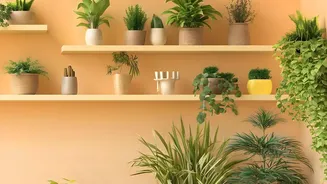
Easy to grow and great for beginners, the Spider Plant is another effective natural air purifier that helps manage the indoor environment. It's particularly good at tackling airborne toxins like carbon monoxide and xylene. Like the Snake Plant, it contributes to a fresher feeling room by improving overall air quality. Spider Plants thrive in moderate, indirect light and prefer their soil to be kept slightly moist. They are perfect for hanging baskets in a corner of your living room or home office, freeing up floor space in a compact rental.
The Clay Dehumidifier Solution
Beyond plants, a simple clay or terracotta pot can serve as an effective, reusable, and eco-friendly dehumidifier. Porous by nature, unglazed clay absorbs moisture from the air. To use this method, you can fill a clay pot with rock salt or calcium chloride pellets, both of which are hygroscopic, meaning they attract and hold water molecules. Place the pot in a damp corner, wardrobe, or small room. The salt will draw moisture from the air, which is then absorbed by the clay. Once the salt becomes saturated, you can simply dry it out in the sun or a low oven and reuse it, making it a cost-effective solution for rainy weeks.