


Why Monsoon Water is a Health Risk
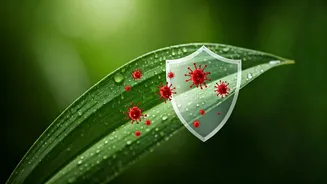
The romance of the rains often masks a serious public health challenge. Heavy downpours can overwhelm our urban and rural infrastructure. Drains overflow, sewage systems back up, and floodwaters carrying a cocktail of contaminants can seep into municipal
water supply lines, wells, and storage tanks. This contamination introduces a host of dangerous microorganisms, including bacteria like E. coli, Salmonella (causing typhoid), and Vibrio cholerae (causing cholera), as well as viruses like Hepatitis A and rotavirus. These pathogens are invisible to the naked eye, meaning even water that looks clean can be a source of severe illness.
Recognising Contaminated Water
While some signs of contamination are obvious, others are not. Murky, cloudy, or discoloured water is a clear red flag and should never be consumed without purification. An unusual smell, like that of rotten eggs or chemicals, also indicates a problem. However, the most dangerous aspect of water contamination is that many harmful bacteria and viruses do not alter the water’s appearance, taste, or smell. Therefore, during the monsoon, you should assume that all tap water is potentially unsafe and requires treatment before consumption. Relying on senses alone is a gamble not worth taking with your family’s health.
Boiling: The Time-Tested Gold Standard
For generations, boiling has been the most reliable method for making water safe. It's a simple, cost-effective process that kills virtually all disease-causing microorganisms. To do it correctly, you must bring the water to a vigorous, rolling boil and maintain it for at least one full minute (or three minutes if you are at high altitudes). After boiling, allow the water to cool down naturally without adding ice. Store it in a clean, covered container to prevent re-contamination. While it requires time and fuel, the certainty it provides is unmatched, making it the top recommendation by most health experts during outbreaks.
Using Water Filters Effectively
Modern water purifiers offer convenience and are a popular choice in many Indian homes. However, not all filters are created equal. Gravity-based filters with candles are good for removing sediment and some bacteria but may not eliminate viruses. UV (Ultraviolet) purifiers kill bacteria and viruses but are ineffective if the water is murky. RO (Reverse Osmosis) systems are excellent at removing most contaminants, including dissolved solids and heavy metals, but can be expensive and waste a significant amount of water. The key to any filter is regular maintenance. A clogged or expired filter is not just ineffective; it can become a breeding ground for germs. Always follow the manufacturer’s instructions for cleaning and replacement.
Chemical Purification for Emergencies
Chemical disinfection using chlorine tablets or drops is another option, particularly useful during power cuts or when travelling. These products are specifically designed to kill pathogens in water. It is crucial to follow the dosage instructions precisely, as too little won't be effective and too much can be harmful. Typically, you add the tablet or drops to a specific volume of water and wait for about 30 minutes before it is safe to drink. While effective, chemically treated water can have a distinct taste. It’s a solid backup method to have on hand for any water-related emergency during the monsoon season.
Beyond Just Drinking Water
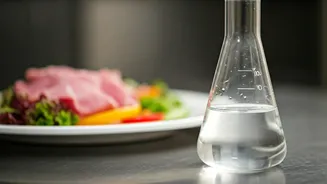
Ensuring water safety isn't just about the water you drink. During the monsoon, it's wise to use purified water for all consumption-related activities. This includes washing fruits and vegetables that will be eaten raw, preparing food, making beverages like tea or coffee, and even brushing your teeth. Using potentially contaminated tap water for these activities can still lead to ingestion of harmful pathogens. Making this small change in your routine provides an extra layer of protection against common monsoon ailments like diarrhoea, jaundice, and typhoid.