





Prep Your Pots for the Pour
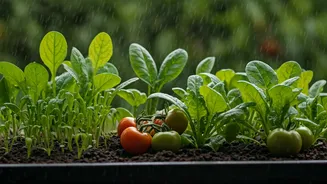
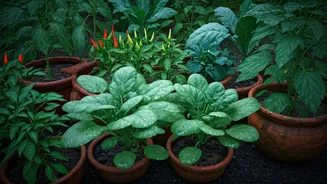
Before we dive into the 'what', let's cover the 'how'. The biggest challenge during the monsoon isn't a lack of water, but an excess of it. Waterlogged soil can lead to root rot, killing your plants before they even have a chance. To prevent this, ensure
your pots have plenty of drainage holes. Create a well-draining potting mix by combining equal parts soil, compost, and a material like cocopeat or sand. This combination provides nutrients while allowing excess water to escape freely, keeping your plant's roots healthy and happy.
1. Leafy Greens (Palak, Amaranth)
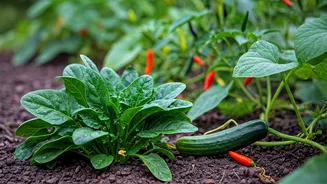
Spinach (Palak) and Amaranth (Chaulai) are monsoon superstars. They love the moisture, and the cooler, overcast days prevent them from bolting (flowering prematurely), which can make the leaves bitter. These greens grow incredibly fast in the rainy season, allowing you to have multiple harvests from a single planting. Sow the seeds directly in your pots or grow bags. Within a few weeks, you can start snipping off the outer leaves for your meals, and the plant will continue to produce more from the centre. They are perfect for beginner gardeners looking for quick, rewarding results.
2. Okra (Bhindi)
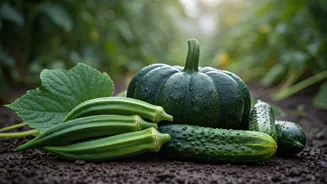
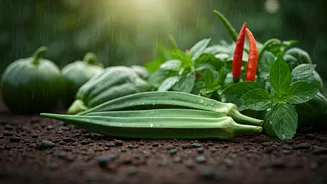
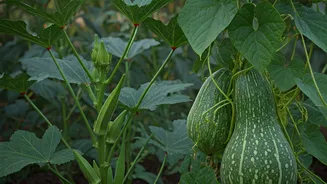
Lady's finger, or bhindi, is a warm-season crop that thrives in the humidity of the monsoon. The plant loves the consistent moisture and grows vigorously, producing tender pods perfect for curries and stir-fries. Plant the seeds directly into a medium-to-large sized pot, as the plant can grow quite tall. Give it a spot that receives at least 4-5 hours of sunlight. One of the best things about growing bhindi in the monsoon is that the frequent rain helps keep common pests like aphids at bay, making it a relatively low-maintenance choice.
3. Gourds (Lauki, Turai)
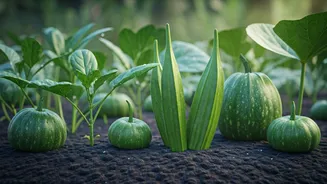
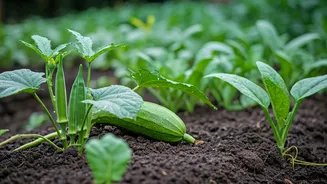
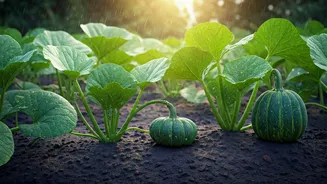
Bottle Gourd (Lauki), Ridge Gourd (Turai), and even Cucumber are all vining plants that go into overdrive during the monsoon. Their large leaves are designed to capture sunlight even on cloudy days, and their deep roots love the abundant water. The key to success with gourds is giving them something to climb. A simple trellis, a net, or even the railing of your balcony will work. Providing this vertical support not only saves space but also improves air circulation around the plant, reducing the risk of fungal diseases that can be common in damp conditions.
4. Beans (Cluster, French, and Long Beans)
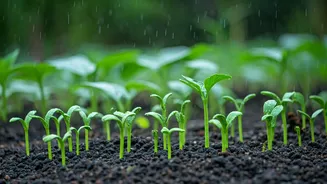
Beans are a fantastic addition to any monsoon garden. Varieties like Cluster Beans (Gawar), French Beans, and Long Beans are not only easy to grow but also improve your soil. As legumes, they fix nitrogen, making the soil more fertile for whatever you plant next. They can be grown as bushes or as climbers. The consistent watering from the rain ensures they produce tender, flavourful beans. Sow seeds directly in the soil and watch them sprout within a week. For climbing varieties, provide a simple support structure for them to latch onto.
5. Chillies and Brinjal
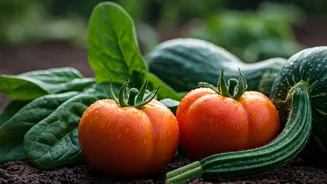
If you enjoy a bit of spice or a hearty baingan bharta, the monsoon is a great time to plant chillies and brinjals. These plants, part of the Solanaceae family, appreciate the steady water supply but do need good drainage and some protection from the heaviest downpours. It's often best to start these from seedlings purchased at a nursery, or start your own seeds indoors a few weeks before the rains begin. Once established, they are quite hardy and will produce fruit for several months, giving you a fresh supply right from your own balcony or terrace.
A Note on Pests and Care
High humidity can invite fungal issues and pests like slugs. Be proactive. Ensure good air circulation between plants and remove any yellowing or diseased leaves promptly. A simple spray of neem oil solution (neem oil mixed with a little liquid soap and water) every 10-15 days can act as a natural and effective preventative measure against most common pests, keeping your vegetable garden healthy and organic.