




The Current Trade Climate
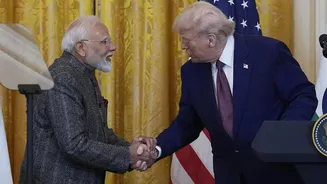
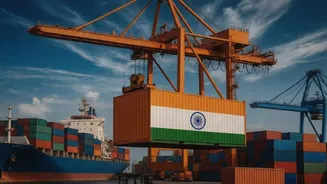
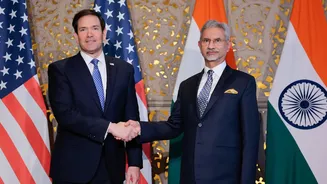
The relationship between India and the United States, two of the world's largest economies, is increasingly focused on expanding bilateral trade, with a stated goal of reaching over $500 billion. Engineering goods are a cornerstone of this exchange, representing
the largest category of India's exports to the US, valued at over $20 billion annually. However, the path has been complicated by shifting tariff structures and protectionist undercurrents. Recent developments point towards an attempted reset, with both nations working on an interim trade agreement aimed at improving market access and lowering barriers for key sectors, including engineering goods. This comes after a period of trade tension that saw significant tariffs imposed on Indian products.
A Framework for an Interim Deal
A key development is the framework for an interim trade agreement announced in February 2026. This framework is significant for the engineering sector, as it is one of the industries covered, alongside textiles, leather, and pharmaceuticals. As of late October 2026, officials from both countries have indicated they are 'very close' to finalising a deal. The most crucial element for Indian exporters was a proposed reduction in reciprocal tariffs from a high of 50% down to 18% on a large portion of engineering goods. This move is expected to restore a significant degree of cost competitiveness for Indian products like industrial machinery, castings, and electrical equipment that had struggled under the higher tariff burden.
Impact on Key Engineering Segments
The proposed tariff reset is expected to disproportionately benefit certain sub-sectors. Auto component manufacturers are widely seen as the primary winners, as the lower duties will sharpen their export edge in the vast US market. This is particularly timely, as demand for auto parts, construction equipment, and industrial machinery in North America remains robust. However, it's important to note that not all goods are covered. An estimated 38% of engineering exports fall under different regulations, such as the Section 232 tariffs on specific metals, and are not included in this tariff reduction agreement. This creates a divided landscape where some Indian exporters will see significant relief while others continue to face steep duties.
The Shadow of Geopolitical Sanctions
Adding another layer of complexity was the 'Lindsey O. Graham Sanctioning Russia and Iran Act of 2026'. This legislation, passed in September 2026, gave the US President the power to impose tariffs of up to 100% on goods from major importers of Russian energy. This posed a significant threat to Indian exporters, given India's energy trade with Russia. However, in a crucial move on October 17, 2026, President Trump issued an executive order waiving these tariffs, citing the national interest of the United States. While this provides immediate relief and has been welcomed by Indian industry, the waiver is temporary and can be reversed, leaving a degree of uncertainty for exporters who require stable and predictable trade rules.
Strategic Shifts and the Road Ahead
While the recent tariff relief and ongoing trade deal negotiations are positive signs, some Indian exporters have already begun a strategic pivot to de-risk their operations. This includes reducing dependence on the US market and actively developing other destinations like the UK and the European Union. The Engineering Exports Promotion Council (EEPC) has highlighted the need for Indian industry to collaborate with the government to address non-tariff barriers that can still create market access challenges, even within favourable trade agreements. For now, the focus remains on the finalisation of the interim trade deal, which holds the promise of bolstering one of India's most vital export sectors.