

The Three-Year Pantry Problem
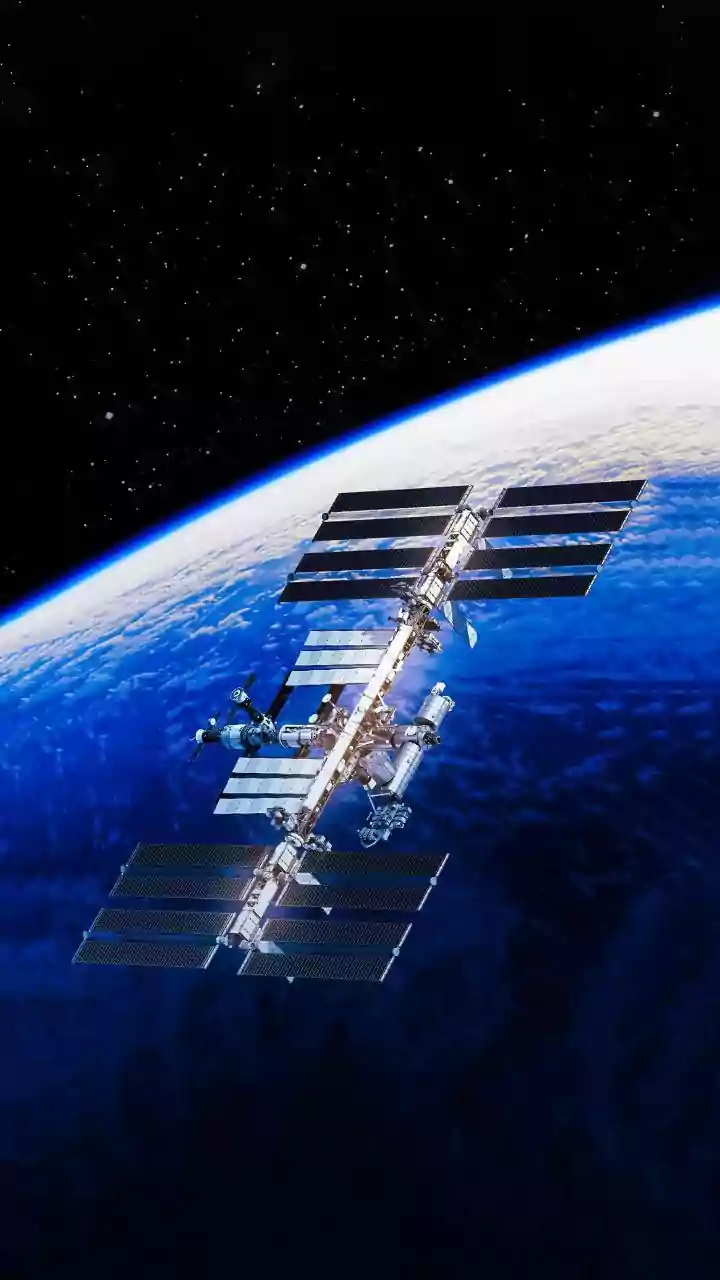
For decades, space food has been a marvel of preservation: freeze-dried, thermostabilised, and irradiated meals designed to be safe, lightweight, and compact. This system works well for missions to the International Space Station (ISS), where regular
resupply missions can bring fresh food and variety. However, a mission to Mars presents a completely different challenge. A round trip could take nearly three years, with no chance of resupply. Packing enough pre-packaged meals for a crew for that long is impractical due to the sheer mass and volume required—an estimated 10,000 kilograms for a four-person crew. Furthermore, vitamins and nutrients in pre-packaged food degrade over time, meaning a meal that is nutritious on day one might be deficient by year three. This nutritional decline poses a significant risk to astronaut health on long journeys.
Food for the Mind
Beyond pure nutrition, the psychological impact of food is a major factor in the success of long-duration missions. The monotony of eating the same packaged meals for years leads to 'menu fatigue', where astronauts can grow tired of even their favourite foods. This can reduce morale and even lead to under-eating. Conversely, the ability to grow and prepare fresh food provides profound psychological benefits. Studies have shown that tending to plants in the isolated, engineered environment of space can reduce stress and provide a vital connection back to Earth. The sensory experience of fresh food—its smell, texture, and taste—is a powerful tool for maintaining crew morale and mental health during a gruelling journey through deep space.
The Rise of the Space Garden
The most promising solution is to enable astronauts to grow their own food. For years, experiments aboard the ISS have demonstrated that it is possible to cultivate crops in microgravity. Astronauts have successfully grown lettuce, tomatoes, radishes, and even chile peppers. Current research is focused on optimising these techniques. For example, NASA's Veg-06 study is examining how plants like alfalfa interact with beneficial bacteria in space to naturally produce their own fertiliser. Other experiments are testing the viability of growing protein-rich algae like spirulina, which has the added benefit of converting carbon dioxide into breathable oxygen. These 'space gardens' are no longer science fiction; they are a critical component of a sustainable life-support system.
A High-Tech Martian Kitchen
To turn these harvested crops into varied and appealing meals, space agencies are funding the development of innovative food systems. NASA's Deep Space Food Challenge has spurred global competition to design complete, Earth-independent food systems for a Mars habitat. Winning concepts include modular indoor farming systems capable of producing a wide range of produce, from strawberries to meat substitutes. Other award-winning ideas feature 'space culinary labs' that allow astronauts to mix and match ingredients, dehydrate their own snacks from algae, or even use a laser grill. Technology like 3D bioprinting has also been successfully tested on the ISS, creating cultivated meat in space—a potential source of on-demand fresh protein. These technologies aim to give astronauts the tools to be chefs, not just consumers, transforming mealtime from a chore into a creative and social activity.