




The Great Veggie Leap Forward
Not long ago, the vegetarian section of many Pan-Asian restaurant menus in India felt like an afterthought. It was a predictable landscape dominated by a handful of Indo-Chinese staples. While beloved, these dishes rarely represented the vast and varied
world of Asian cuisine. Today, that landscape is changing dramatically. A new wave of chefs and restaurateurs are catering to an increasingly adventurous vegetarian diner. This diner is well-travelled, exposed to global trends through social media, and eager to explore authentic flavours beyond the familiar. As a result, menus are blossoming with options that treat vegetarianism not as a limitation, but as an opportunity for creativity.
The Korean Wave Hits the Veg Menu
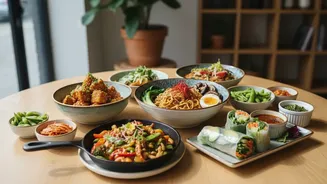
The Hallyu or Korean Wave has brought more than just K-pop and K-dramas to India; it has sparked a massive interest in Korean food. Restaurants have responded with a host of vegetarian Korean dishes that were previously hard to find. Bibimbap, a vibrant mixed rice bowl, is now a common sight, easily adapted with local vegetables and tofu. Diners are also discovering the spicy, chewy delight of Tteokbokki (spicy rice cakes) and the comforting warmth of vegan Kimchi Jjigae (stew). The appeal lies in the bold, layered flavours of Korean cuisine—spicy, savoury, and often fermented—which resonate well with the Indian palate while offering something distinctly new.
Japan, Beyond Cucumber Rolls
For vegetarians, Japanese cuisine often meant settling for cucumber maki rolls or a simple salad. That is no longer the case. Modern menus are showcasing the depth of Japan's plant-based culinary traditions. You can now find everything from Yasai Tempura, featuring lightly battered and fried vegetables, to Agedashi Tofu, a dish of crispy fried tofu in a savoury dashi-style broth. Sushi menus have expanded to include creative rolls with avocado, tempura vegetables, and yam beans. Even ramen, a dish famous for its rich pork broth, is being reimagined with flavourful vegetable and miso-based broths, ensuring vegetarians can partake in the global ramen craze.
Ingredient Innovation and Chef Creativity
This expansion is fuelled by both chef-led innovation and better access to global ingredients. Chefs are moving beyond paneer as the default protein, experimenting with different types of tofu, edamame, and a wide variety of mushrooms to create diverse textures and flavours. Ingredients like gochujang, miso paste, and yuzu are now more common in professional kitchens, allowing for more authentic and complex dishes. This new toolkit allows chefs to deconstruct and reinvent classic Asian dishes. You might find a Gobi 65 Maki roll, which fuses a South Indian classic with Japanese technique, or a lobster rasam chawanmushi, showcasing how chefs are fearlessly blending flavours. These creations highlight a shift towards treating vegetables with the same respect and creativity once reserved for meat and seafood.
Why the Change is Happening Now
Several factors are driving this trend. Firstly, India has a large, inherent vegetarian population that is increasingly demanding more diverse and exciting dining options. Secondly, globalisation and digital media have exposed diners to a world of food, creating a demand for authenticity. People don't just want a generic 'Asian' curry; they want to taste the specific flavours of a Thai Massaman or a Vietnamese Pho. Finally, there is a growing health consciousness. Many diners, even if not strictly vegetarian, are actively looking to incorporate more plant-based meals into their diets, and they want those meals to be just as delicious and satisfying as their non-vegetarian counterparts.