






A Primer on Simple Sugars
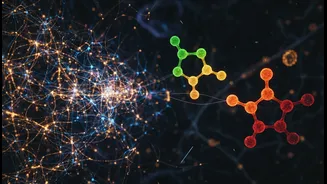
To understand how sugars impact hunger, we first need to know the key players. The three most common dietary monosaccharides (single sugar molecules) and disaccharides (two sugar molecules linked) are glucose, fructose, and sucrose. Glucose is the body's
preferred and primary source of energy; nearly every cell can use it. Fructose is often called 'fruit sugar' and is found naturally in fruits, honey, and vegetables. Sucrose, commonly known as table sugar, is a disaccharide made of one glucose molecule and one fructose molecule bonded together. When you consume sucrose, your body breaks it down into its two component parts.
Glucose: The Body's Main Fuel and Fullness Signal
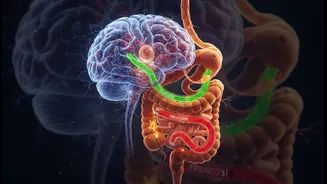
When you consume glucose, it enters your bloodstream and your body releases insulin. Insulin's job is to help transport glucose into your cells to be used for energy. This process is critical for appetite signaling. The rise in insulin helps suppress ghrelin, often called the 'hunger hormone', and stimulates leptin, the 'satiety hormone' that tells your brain you're full. Consuming glucose leads to a more robust release of these appetite-regulating hormones compared to other sugars, effectively sending a clear message to your brain that you've been fed and are satisfied. Studies show that glucose consumption reduces activity in the parts of the brain that drive hunger.
The Fructose Factor: A Weaker Signal
Fructose is metabolized differently. Unlike glucose, it is processed almost entirely in the liver and does not trigger a significant insulin release. Because it bypasses this key hormonal trigger, consuming fructose does not suppress the hunger hormone ghrelin as effectively as glucose does. Research shows that this can leave you feeling less full. In studies, consumption of fructose compared to glucose resulted in smaller increases in satiety hormones. Brain imaging studies have also revealed that fructose can lead to greater activity in the brain's reward centers when viewing food cues, which may increase the motivation to eat more.
Sucrose and High-Fructose Corn Syrup: The Combination Effect
Since table sugar (sucrose) is half glucose and half fructose, its effect on the body is a combination of both. The glucose part triggers an insulin response and some satiety signals, but this is tempered by the fructose component. Studies have found that drinks sweetened with sucrose produce lower levels of hunger-suppressing hormones compared to drinks sweetened with only glucose. High-fructose corn syrup (HFCS), another common sweetener in processed foods and drinks, has a similar composition to sucrose (roughly 55% fructose and 45% glucose), and the scientific consensus is that their metabolic effects are very similar. The key issue is that both deliver a significant fructose load without the fiber that would normally accompany it in whole foods.
Context is Everything: Whole Foods vs. Added Sugars
This doesn't mean you should avoid fruit. The fructose in a whole apple comes packaged with fiber, water, and essential nutrients. Fiber slows down the absorption of sugar, leading to a more gradual blood sugar response and enhanced feelings of fullness. A can of soda or a sweetened dessert, on the other hand, delivers a rapid dose of fructose and glucose without any of these beneficial components, leading to a weaker satiety signal and making it easier to overconsume calories. The problem isn't necessarily the type of sugar itself, but the dose and the source. Added sugars in processed foods provide calories with little to no nutritional benefit.