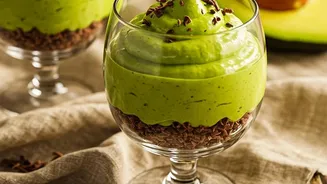






Creamy Pineapple-Avocado Parfait
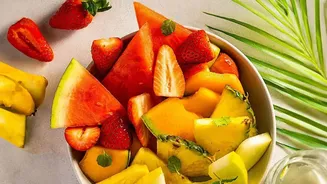
Before we dive into the secrets of the avocado, let's start with the delicious recipe that brings it all together. This refreshing parfait layers creamy avocado with tropical pineapple and tangy yogurt for a perfect breakfast or healthy snack. For two
servings, you'll need one ripe avocado, one cup of plain Greek yogurt, half a cup of diced pineapple, two teaspoons of honey or agave, and a splash of lime juice. In a bowl, mash the ripe avocado with half the yogurt, one teaspoon of honey, and the lime juice until smooth. In a separate bowl, mix the remaining yogurt and honey. To assemble, simply layer the avocado-yogurt mixture, diced pineapple, and the sweetened lime yogurt in two glasses. Top with extra pineapple, toasted coconut, or chopped nuts for added texture.
How to Pick the Perfect Avocado
The foundation of a great avocado dish is selecting the right one at the store. While it might feel like a game of chance, there are reliable signs to look for. The most important factor is feel, not color. Place the avocado in the palm of your hand and give it a gentle squeeze. A ripe avocado will yield to firm but gentle pressure without feeling mushy. If it's hard as a rock, it's underripe and will need a few days on your counter. If it feels soft or leaves an indentation, it's likely overripe and may have brown spots inside. While the feel is most important, color can offer clues, especially for the common Hass variety. A vibrant green Hass avocado is underripe, while one that is a very dark green, almost black, is likely ready to eat. Avoid any avocados with large bruises or breaks in the skin.
The Ultimate Ripeness Test: The Stem
For a final confirmation of ripeness before you buy, try the stem trick. Gently try to flick off the small brown stem nub at the top of the avocado. If it comes off easily and you see a nice, vibrant green color underneath, you've found a winner. This indicates the flesh inside is perfect and ready to eat. If the stem is difficult to remove, the avocado is still underripe and needs more time. If the stem comes off too easily or the area underneath is brown or black, the avocado is likely overripe and may be stringy or spoiled inside. This simple test can save you from the disappointment of cutting into a brown, unusable fruit.
How to Ripen a Hard Avocado at Home
So you bought rock-hard avocados for a recipe you need in a few days? Don't worry. You can speed up the ripening process at home. Avocados produce ethylene gas, a natural ripening agent. To concentrate this gas, place the firm avocados in a paper bag and fold the top closed. This traps the ethylene and encourages the fruit to soften faster, usually within two to four days. To accelerate the process even more, add an apple or a banana to the bag. These fruits are potent ethylene producers and will help your avocados ripen in as little as one to two days. Just be sure to check them daily, as the process can happen quickly. Avoid using plastic bags, which trap moisture, and never refrigerate an avocado until it is fully ripe, as the cold will halt the ripening process.
Storing Ripe and Cut Avocados
Once your avocado has reached peak ripeness, the refrigerator becomes your best friend. Storing a whole, ripe avocado in the fridge can extend its life for another three to seven days, slowing down any further ripening. But what about leftovers? Once an avocado is cut, the flesh begins to oxidize and turn brown. To slow this process, you can brush the exposed flesh with a little lemon or lime juice. If you have a half with the pit still in, leave it there. Tightly wrap the cut avocado in plastic wrap, ensuring the wrap is pressed directly against the flesh to minimize air contact, and store it in the fridge. Stored this way, a cut avocado should stay fresh for another day or two. A little browning on the surface is normal; you can simply scrape it off before eating.