







The Science of Better Sleep
The connection between moving your body and resting your mind is not just a feeling; it's backed by extensive research. Physical activity has long been known to improve sleep, but recent findings are giving us a clearer picture of why and how. Moderate
aerobic exercise, for instance, increases the amount of slow-wave or 'deep' sleep we get. This is the crucial stage where both the brain and body perform vital recovery and rejuvenation. Exercise also helps regulate our internal body clock, or circadian rhythm, which tells us when to feel sleepy and when to be alert. Furthermore, by raising our core body temperature, a post-exercise cool-down period can naturally facilitate the onset of sleepiness.
Consistency Over Intensity
One of the most significant new insights is that frequency may be more important than the total duration of exercise. A recent study from the University of Texas at Austin found that people who exercised more frequently, ideally every day, saw notable improvements in their sleep quality. This challenges the 'weekend warrior' approach of cramming all physical activity into one or two days. The good news is that you do not need to run a marathon. The study revealed that even as little as 10 minutes of moderate-to-vigorous activity per day was enough to make a difference for the young adults studied. This level of activity is defined as something that raises your breathing but still allows for conversation.
What Kind of Exercise Is Best?
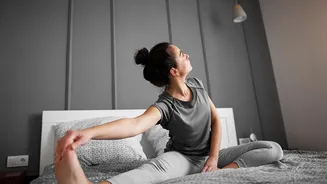
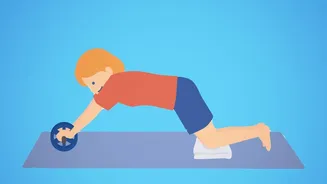
While any movement is better than none, certain types of activity have shown strong benefits. A major 2026 meta-analysis highlighted that walking, alongside other activities, showed comparatively large benefits for subjective sleep quality. Aerobic exercises like brisk walking, running, swimming, or cycling help regulate circadian rhythms and reduce stress. However, the benefits are not limited to cardio. Strength training, such as lifting weights or doing bodyweight exercises at least a few times a week, has also been linked to better sleep efficiency and fewer nighttime awakenings. Yoga, with its focus on breathing and relaxation, can be particularly effective for those whose sleep is disrupted by stress.
Does Timing Matter?
A common worry is that exercising in the evening will leave you too energised to sleep. While it is true that exercise releases endorphins and raises body temperature, recent research suggests that evening workouts are not necessarily a problem for most people. The key is to avoid vigorous, high-intensity activity for at least one hour before you plan to go to bed. For many, a moderate workout one to two hours before bedtime can actually be beneficial, as it allows time for endorphin levels to normalise and for the body's core temperature to begin its sleep-inducing drop. Ultimately, the best time to exercise is the time that you can stick with consistently.
More to Gain for Poor Sleepers
Interestingly, new research suggests that individuals who already struggle with poor sleep may have the most to gain from incorporating exercise. A large 2026 analysis found that a person's baseline sleep quality was a key factor in how much they benefited from physical activity. Those who reported poorer sleep at the start were more likely to see a clinically significant improvement. This suggests that if you frequently have trouble falling asleep, wake up during the night, or feel unrested in the morning, making an effort to be more active during the day could be a highly effective strategy for improving your nights.