






Beyond The Discounted Getaway
For years, monsoon travel in India was a niche affair, largely driven by budget-conscious tourists looking to snag off-season deals. The typical trip involved finding a resort with a good view, ordering endless cups of chai and pakoras, and watching the
rain fall from a covered balcony. It was passive, predictable, and primarily about relaxation through inactivity. While there's nothing wrong with a quiet escape, a new pattern is emerging, transforming the rainy season from a travel dead zone into a period of active discovery.
What Is 'Experience-First' Travel?
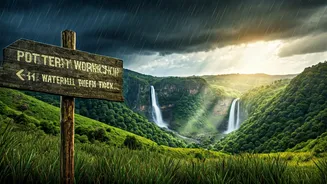
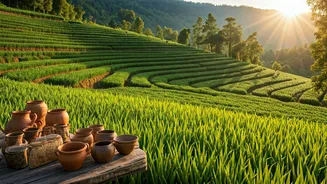
This new trend is being called ‘experience-first’ travel. It prioritises doing over seeing, participation over observation. Instead of ticking off sightseeing spots from a checklist, travellers are booking trips centred around a specific activity or skill. Think of a weekend spent learning pottery from artisans in Rajasthan, a multi-day workshop on Kalaripayattu in Kerala, or joining a guided foraging trail in the hills of Coorg. The destination becomes the backdrop for a memorable, hands-on activity rather than the sole focus. It’s a fundamental shift from consuming a place to connecting with it on a deeper, more personal level.
Why The Sudden Shift?
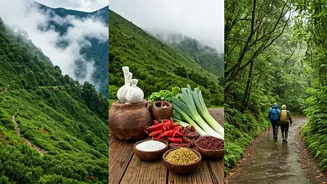
Several factors are fuelling this change. The post-pandemic mindset plays a huge role. After years of lockdowns and screen-heavy lives, people are craving tangible, real-world experiences that engage their minds and bodies. There’s a growing fatigue with ‘Instagrammable’ but hollow trips. Travellers, especially millennials and Gen Z, are seeking authenticity and personal growth. The monsoon, with its lush landscapes and cooler temperatures, provides the perfect, dramatic setting for these immersive activities. Furthermore, travel companies have become smarter, curating unique, monsoon-specific packages that go beyond the standard hotel stay, from wellness retreats focused on Ayurvedic treatments to culinary tours exploring seasonal ingredients.
Monsoon Experiences Taking Over
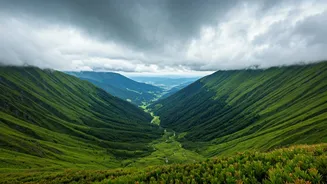
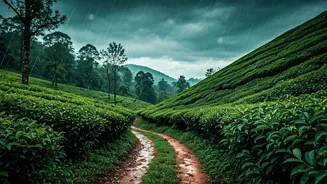
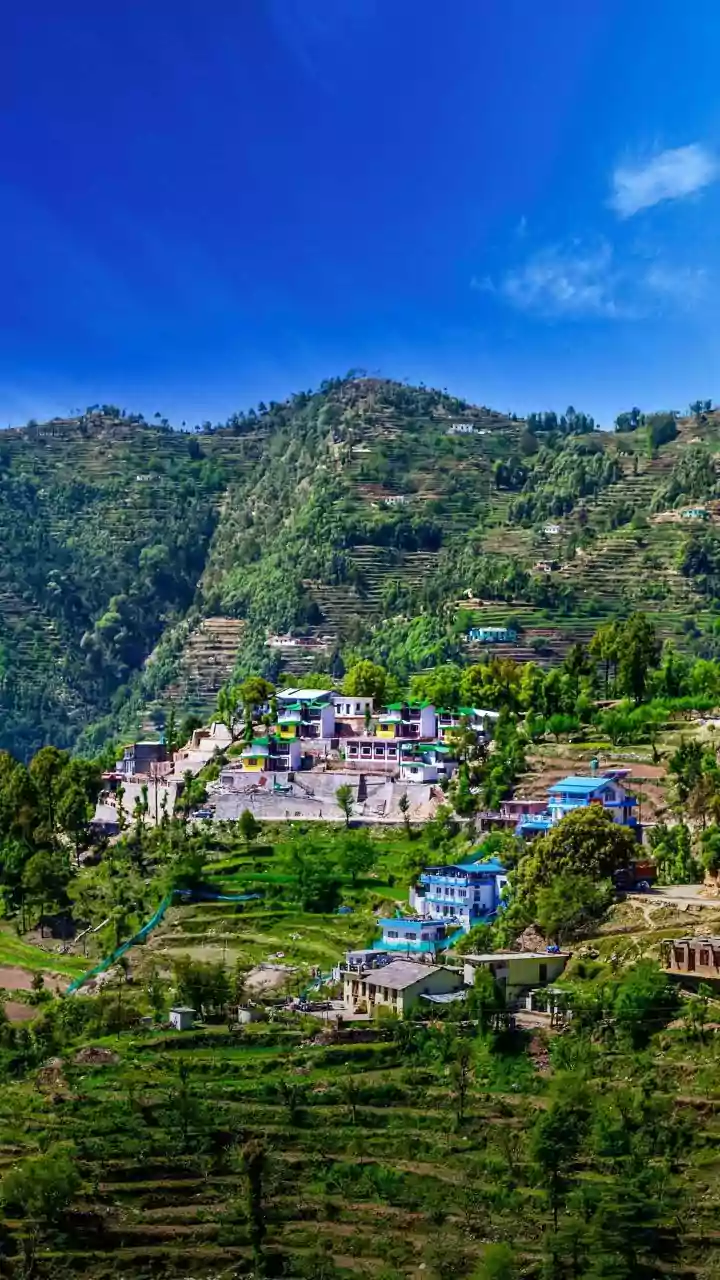
The variety of experiences on offer is astounding. In Goa, it’s no longer just about empty beaches; it’s about learning to cook authentic Goan-Portuguese cuisine or exploring the vibrant green hinterlands on a guided trek. In the Western Ghats of Maharashtra and Karnataka, trekking to ancient forts shrouded in mist has become a rite of passage. The Himalayas, particularly in regions like Himachal Pradesh and Uttarakhand, are seeing a surge in wellness tourism, with visitors flocking to yoga and meditation retreats that capitalise on the serene, rain-washed environment. Even the arid landscapes of Rajasthan come alive, offering unique opportunities for workshops in block-printing or miniature painting, away from the scorching heat of summer.
A More Sustainable Way to Travel
This trend has a beneficial side effect: it promotes a more sustainable and responsible form of tourism. By focusing on local skills, crafts, and guides, experience-first travel channels money directly into local communities. It encourages visitors to stay longer in one place to master a skill, reducing the carbon footprint associated with frantic, multi-city tours. It also helps distribute tourism revenue more evenly throughout the year, providing a stable income for those in the travel industry during what was once a lean period. It’s a win-win, creating more meaningful memories for the traveller and providing more stable livelihoods for the host.