



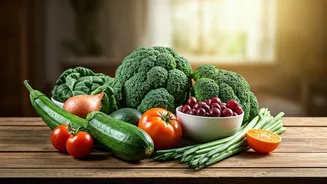


The Rise of the Proactive Eater
What was once a conversation reserved for flu season has become a year-round priority. The concept of 'food as medicine' has gained significant traction, leading people to look at their daily meals as a first line of defence. This isn't about finding
a single 'miracle' food that can prevent illness. Instead, it's a shift towards building a resilient body through consistent, nutrient-dense eating. The trend focuses on incorporating whole foods rich in vitamins, minerals, and antioxidants that are known to play a crucial role in supporting the complex workings of our immune system. It's a holistic approach that sees diet as a key pillar of overall wellness.
1. Turmeric: The Golden Spice
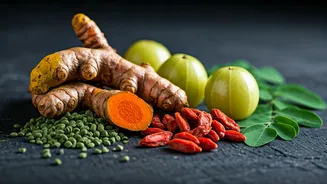
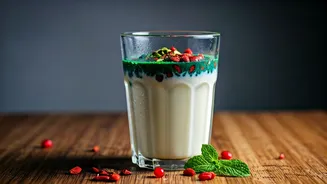
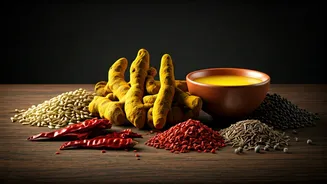
It's no surprise that haldi is at the top of this list in India. Its vibrant colour comes from curcumin, a compound with powerful anti-inflammatory and antioxidant properties. Chronic inflammation can disrupt the normal functioning of the immune system, and incorporating anti-inflammatory foods can help maintain balance. While a pinch in your dal is a great start, the habit is evolving. Many now start their day with turmeric tea, add it to smoothies, or drink 'golden milk' (haldi doodh) before bed. For better absorption, it's often recommended to consume turmeric with a pinch of black pepper, which contains piperine.
2. Ginger and Garlic: The Pungent Powerhouses
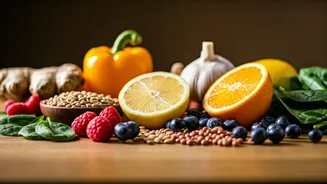
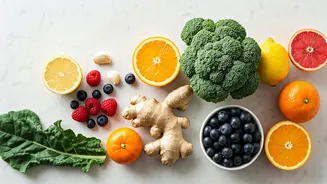
Ginger and garlic are foundational to Indian cooking, but their roles are being appreciated now more than ever for their health-supportive properties. Ginger is widely used to soothe a sore throat and reduce inflammation. Garlic contains compounds like allicin, which are believed to have immune-supporting functions. Beyond just being used in curries, people are incorporating these into their daily routines through ginger-lemon-honey teas and adding raw or lightly cooked garlic to chutneys and dressings to preserve their beneficial compounds. They are an easy and flavourful way to fortify your daily meals.
3. Citrus Fruits and Amla: The Vitamin C Stars
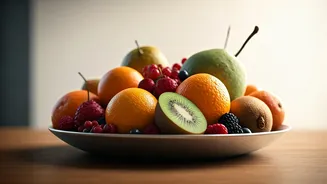
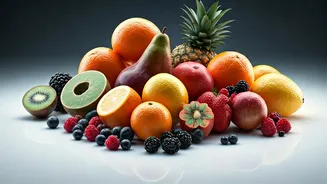
When we think 'immunity,' we often think of Vitamin C. This essential vitamin is a powerful antioxidant and is vital for the health of white blood cells, which are key players in fighting infection. While oranges and lemons are popular choices, the Indian gooseberry, or amla, is a true superstar, containing a significantly higher concentration of Vitamin C. The habit has moved beyond just drinking nimbu paani when you feel a cold coming on. People are now regularly consuming amla juice, amla candies (in moderation), or simply eating a piece of the fruit daily to ensure a consistent intake.
4. Leafy Greens: The Nutrient-Dense Foundation
Spinach (palak), fenugreek (methi), and other dark leafy greens are packed with an incredible array of nutrients, including vitamins A, C, and K, as well as folate and iron. These vitamins and minerals are essential for the production and function of immune cells. Vitamin A, for instance, helps maintain the integrity of mucosal barriers in the respiratory tract, which act as a physical barrier against pathogens. Making saag or palak paneer is wonderful, but the everyday habit now includes adding a handful of greens to smoothies, omelettes, and even dal for an effortless nutrient top-up.
5. Yoghurt and Fermented Foods
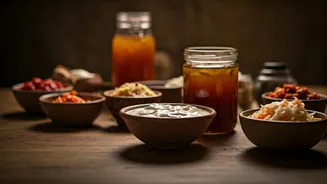
Gut health is intrinsically linked to immune health, as a large portion of our immune system resides in the gut. Probiotics, the 'good' bacteria found in fermented foods, help maintain a healthy gut microbiome. Plain yoghurt or dahi is a staple in most Indian households and an excellent source of probiotics. The trend is now expanding to include other fermented foods like kimchi, kefir, and kombucha. Including a bowl of dahi with your lunch or as a mid-day snack is a simple and effective habit for supporting both digestive and immune function.
6. Nuts and Seeds: The Healthy Fats and Minerals
Almonds, walnuts, and seeds like sunflower and pumpkin are not just for festive occasions anymore. They are becoming a go-to daily snack. Almonds are rich in Vitamin E, another powerful antioxidant, while pumpkin seeds and cashews are excellent sources of zinc. Zinc is a critical mineral for immune cell development and communication. A zinc deficiency can significantly impair immune function. A small handful of mixed nuts and seeds each day provides healthy fats, protein, and these essential immunity-supporting micronutrients.