





What is the 'Food Basket'?
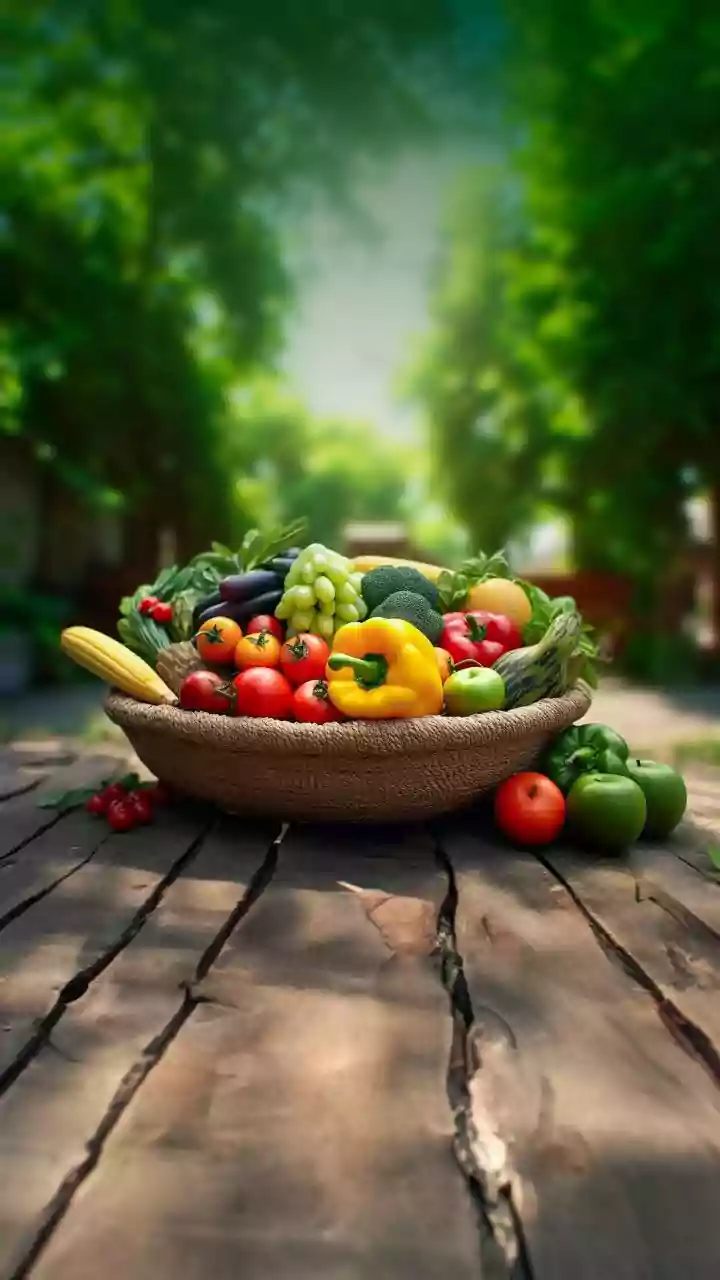
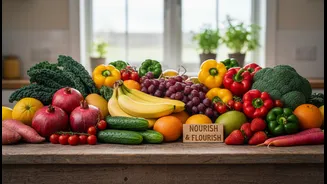
The concept of a 'food basket' refers to the collection of food items a typical household consumes over a period. For decades, the Indian thali was dominated by cereals like rice and wheat, supplemented by pulses and seasonal vegetables. This was the traditional
food basket. However, with rising incomes, urbanisation, and changing lifestyles, this basket is transforming. There's a noticeable shift away from staple food grains towards a wider variety of foods, including high-value items like fruits, vegetables, dairy, and animal products. This change reflects evolving tastes and, for some, greater purchasing power.
The Quest for Diversity
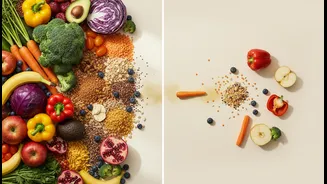
A diverse diet is crucial for good health. Different foods provide different essential nutrients, and a varied plate is the best defence against micronutrient deficiencies, often called 'hidden hunger'. Unfortunately, many Indian diets lack this diversity. Studies show that while we consume plenty of cereals, the intake of nutrient-dense foods like fruits, vegetables, pulses, and nuts is critically low. For instance, less than half of women of reproductive age in India consume a diet that meets the minimum diversity standards. This lack of variety is a key driver of health issues like anaemia, which remains rampant.
The Hurdle of Affordability
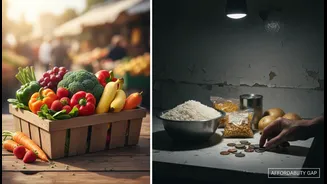
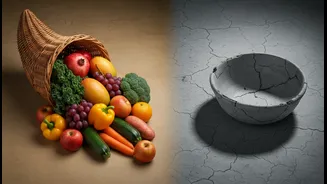
While some households diversify their plates with premium and organic products, for a vast majority of Indians, the biggest barrier to a healthy diet is cost. Research indicates that a nutritious diet meeting national guidelines is unaffordable for a large section of the population, particularly in rural areas. Estimates suggest over 75% of Indians cannot afford a truly healthy and diverse diet. The prices of nutritious foods like pulses, fruits, vegetables, and dairy have risen significantly, making them a luxury for many. As a result, families are often forced to rely on cheaper, calorie-dense but nutrient-poor staples, compromising their long-term health.
India's Double Burden
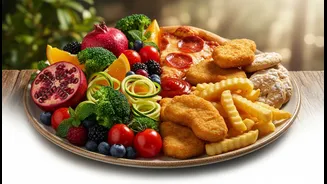
This combination of changing consumption patterns and affordability challenges has led to a major public health crisis known as the 'double burden of malnutrition'. This is the strange and worrying coexistence of undernutrition (like stunting in children) and overnutrition (obesity, diabetes, and heart disease in adults) within the same communities, and sometimes even the same families. While India has made progress in reducing stunting, rates of obesity and related non-communicable diseases have doubled in the last decade. This paradox arises from a food system where calorie-dense, processed foods are often cheaper and more accessible than nutritious, whole foods. Over half of India's disease burden is now linked to poor diets.
The Path to a Healthier Plate
Tackling this complex issue requires a multi-pronged approach. Experts argue for policies that shift focus from just food security (ensuring enough calories) to nutrition security (ensuring the right nutrients). This involves making nutritious foods more affordable and accessible. Ideas include diversifying the Public Distribution System (PDS) to include millets and pulses, promoting local food systems, and strengthening community nutrition programmes. Regulating the marketing of unhealthy foods and improving front-of-pack labelling can also empower consumers to make healthier choices. Ultimately, making the healthy choice the easy and affordable choice is key.