
Mumbai: Vada Pav and Cutting Chai
In Mumbai, the monsoon is synonymous with huddling under a shop awning, watching the downpour with a steaming cup of 'cutting chai' in one hand and a vada pav in the other. This quintessential snack, a spiced potato fritter (vada) tucked into a soft bread
bun (pav) with fiery chutneys, becomes more than just food; it's a city-wide ritual. The warmth of the spicy vada and the strong, sweet tea provides the perfect contrast to the cool, wet weather, making it an unbeatable comfort combo for Mumbaikars from all walks of life.
Kolkata: Khichuri and Ilish Bhaja
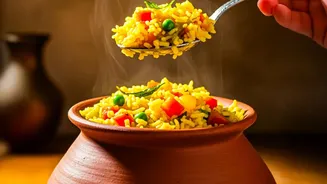
For Bengalis, grey skies and relentless rain call for a plate of 'khichuri'. Unlike its simpler North Indian counterpart, Bengali khichuri is a richer, more flavourful dish made with roasted moong dal, gobindobhog rice, and an assortment of vegetables and spices. It is the ultimate comfort food, but the experience is incomplete without a side of Ilish Bhaja—fried Hilsa fish. The Hilsa, a bony but incredibly flavourful fish, is a monsoon delicacy, and its pairing with khichuri is a cherished tradition in almost every Bengali household.
Delhi: Pakoras and Jalebis
As the temperature drops and the skies open up over the capital, the aroma of freshly fried pakoras fills the air. This isn't just a snack; it's a rain-time ritual. From potato and onion to paneer and spinach, these gram-flour fritters are a must-have. And what better to follow a spicy, savoury snack than a sweet counterpoint? Hot, crispy, syrup-drenched jalebis are the perfect dessert. The combination of spicy pakoras and sweet jalebis, often enjoyed with a cup of tea, is Delhi's way of celebrating a rainy day.
Kerala: Karkidaka Kanji
In Kerala, the monsoon, particularly the month of Karkidakam (mid-July to mid-August), is a time for rejuvenation. This is when Karkidaka Kanji, a medicinal rice porridge, becomes a household staple. Made with a special type of navara rice, coconut milk, and a blend of Ayurvedic herbs and spices like fenugreek and cumin, this gruel is designed to boost immunity and aid digestion when the body is considered most vulnerable. It's a nourishing, warming meal that embodies the state's deep connection between seasons and wellness.
Goa: Monsoon Seafood Curries
While Goa is famous for its sun-drenched beaches, the monsoon unveils a different, quieter culinary culture. When the sea fishing ban is in effect, local kitchens turn to river fish, crabs, clams, and preserved dry fish. This is the time to savour unique dishes like Samarachi Kodi, a spicy curry made with dried prawns, or Tisreo Sukhem, a dry preparation of clams with coconut. These dishes, often unavailable in peak tourist season, offer an authentic taste of how Goans eat with the rhythm of the rains.
Rajasthan: Ghevar and Dal Baati
In the arid landscape of Rajasthan, the arrival of monsoon is a cause for major celebration, marked by the festival of Teej. The quintessential sweet of this season is Ghevar, a disc-shaped, honeycomb-like dessert made from flour, deep-fried in ghee, and soaked in sugar syrup. The moisture in the monsoon air is said to give Ghevar its perfect crispy and porous texture. Alongside this sweet treat, a hearty meal of Dal Baati Churma, with its baked dough balls, spicy lentils, and sweet crumbled wheat, provides warmth and comfort during the welcome rains.
Shillong: Momos and Thukpa
In the misty hills of Shillong, where the monsoon is a prolonged affair, nothing provides comfort quite like a steaming bowl of Thukpa or a plate of hot momos. Thukpa, a Tibetan noodle soup, is a hearty, warming meal-in-a-bowl, often filled with vegetables or meat. Paired with momos—steamed dumplings with a savoury filling—it becomes the perfect antidote to the chilly, damp weather. Enjoying this combination in a cozy café while watching the fog roll over the hills is a definitive Meghalayan monsoon experience.