


A Fiery Return With Precious Cargo
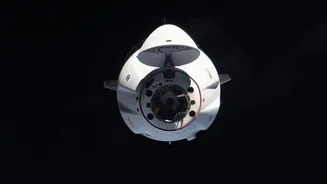
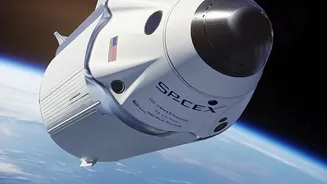
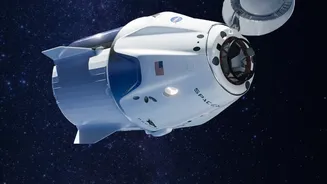
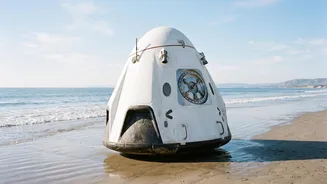
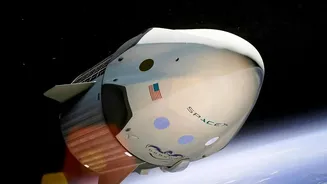
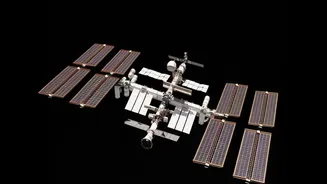
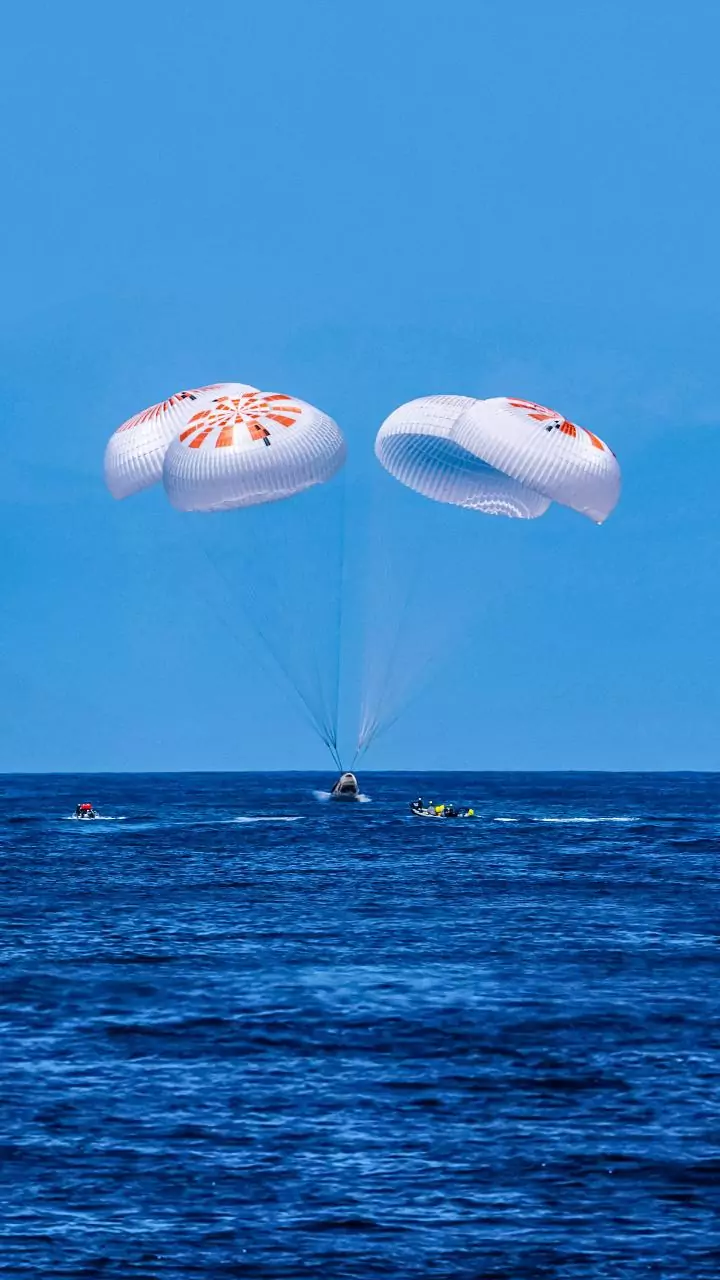
On November 21, 2026, a SpaceX Dragon spacecraft successfully returned to Earth, splashing down off the coast of California after a 37-day mission. The uncrewed capsule undocked from the International Space Station (ISS) the day before, carrying thousands
of pounds of hardware and scientific samples. While many cargo vehicles can deliver supplies to the station, Dragon is currently the only one capable of bringing materials back to Earth intact, making it an essential component for complex space-based research. This particular return was especially significant, carrying not just supplies but the fruits of crucial human health experiments.
The Challenge of Sleeping in Space
One of the biggest hurdles for long-duration spaceflight is surprisingly simple: getting a good night's sleep. Astronauts on the ISS experience 16 sunrises and sunsets every day, which wreaks havoc on their natural circadian rhythms. Combined with the challenges of floating in microgravity, constant ambient noise from station machinery, and the psychological stress of the mission, quality sleep is hard to come by. Studies have shown that astronauts often average only six hours of sleep per night in orbit, leading to fatigue that can impair cognitive function and performance—a major risk on any mission. Understanding and mitigating these effects is a top priority for NASA, especially with long-haul missions to the Moon and Mars on the horizon.
Unpacking the Sleep Science
Among the cargo on CRS-35 was equipment from experiments designed to get to the bottom of this problem. Investigations like the European Space Agency's 'Sleep In Orbit' study use sophisticated tools like ear-EEG (electroencephalography) devices to monitor astronauts' brainwaves while they sleep. This provides a detailed picture of their sleep architecture—the different stages of sleep—in a way that simple logs or wrist-worn activity trackers cannot. By comparing sleep data gathered in space to baseline recordings taken on Earth, scientists can pinpoint exactly how the space environment alters sleep patterns. One returning experiment also included a specialized lighting system, tested for over three years, to see if it could help astronauts maintain better sleep cycles and improve well-being.
From the ISS to the Journey to Mars
This research is not just about making life more comfortable on the ISS; it's a critical step in preparing for humanity's next giant leap. A trip to Mars could take years, and ensuring astronauts remain healthy, alert, and high-functioning is paramount to mission success. The perpetual jet-lag feeling caused by circadian disruption could be a significant obstacle on Mars, where a day (or 'sol') is about 39 minutes longer than on Earth. Data from the returned CRS-35 experiments will help scientists develop effective countermeasures, whether through advanced lighting systems, optimized schedules, or other tools to combat sleep deprivation. These findings will directly inform plans for the Artemis missions to the Moon and the eventual crewed expeditions to Mars, helping to ensure the explorers who make that journey are well-rested and ready for the challenges ahead.