

Lonavala and Khandala: The Classic Choice
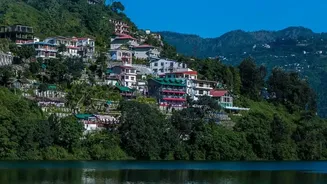
The twin hill stations of Lonavala and Khandala remain the most popular and accessible monsoon getaway for both Mumbai and Pune residents. Heavy rains have rejuvenated famous spots like Bhushi Dam, where crowds gather on the steps to enjoy the overflowing
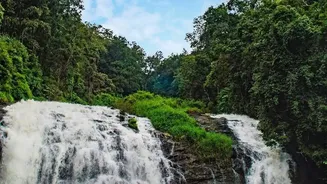
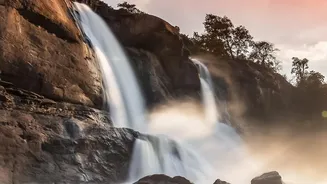
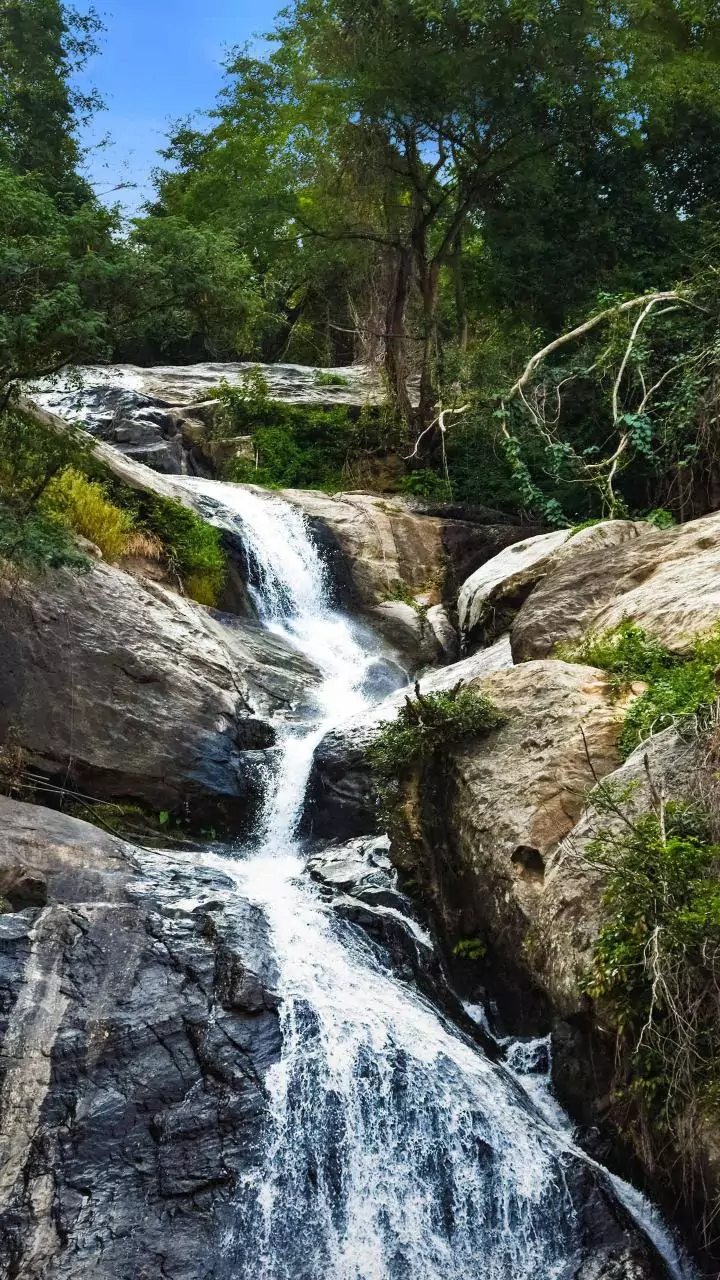
water, and Kune Falls, one of the area's most dramatic waterfalls. Viewpoints such as Tiger's Leap and Duke's Nose offer breathtaking, albeit misty, views of the rain-soaked valleys. While these areas are buzzing with energy, they also experience significant traffic and crowding, especially on weekends. The accessibility via the Mumbai-Pune Expressway makes it a default choice for families and first-time monsoon travellers.
Bhandardara: Serenity and Spectacle
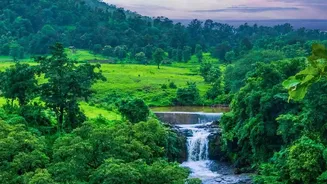
For those looking to escape the busiest crowds, Bhandardara in Ahmednagar district offers a more tranquil experience. The region is home to the impressive Randha and Umbrella Falls, which are at their most powerful during the peak monsoon months of July and August. The area revolves around Arthur Lake and the Wilson Dam, creating a picturesque landscape of water, hills, and mist. It is a fantastic destination for road trips and for visitors who appreciate a blend of natural beauty, gushing waterfalls, and relative peace compared to the more commercialized hill stations.
Malshej Ghat: A Trekker's Paradise
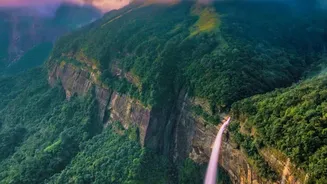
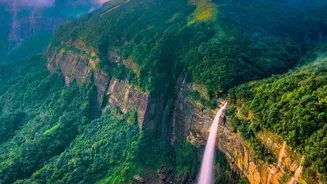
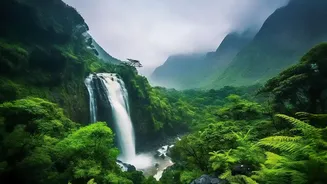
Malshej Ghat is synonymous with monsoon drama. This mountain pass becomes a corridor of clouds and countless unnamed waterfalls that cascade directly onto the roads. It is a haven for trekkers and photographers, offering challenging trails to forts like Harishchandragad and Jivdhan. The region is particularly famous for the majestic Kalu Waterfall, one of the largest in the area, which becomes a prime attraction from the second week of July. Its raw, untamed beauty makes it a favourite for adventurers seeking a more rugged monsoon experience.
The Satara Cluster: Thoseghar and Vajrai
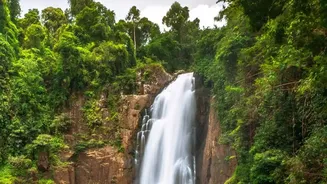
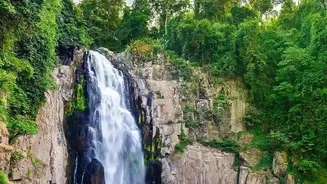
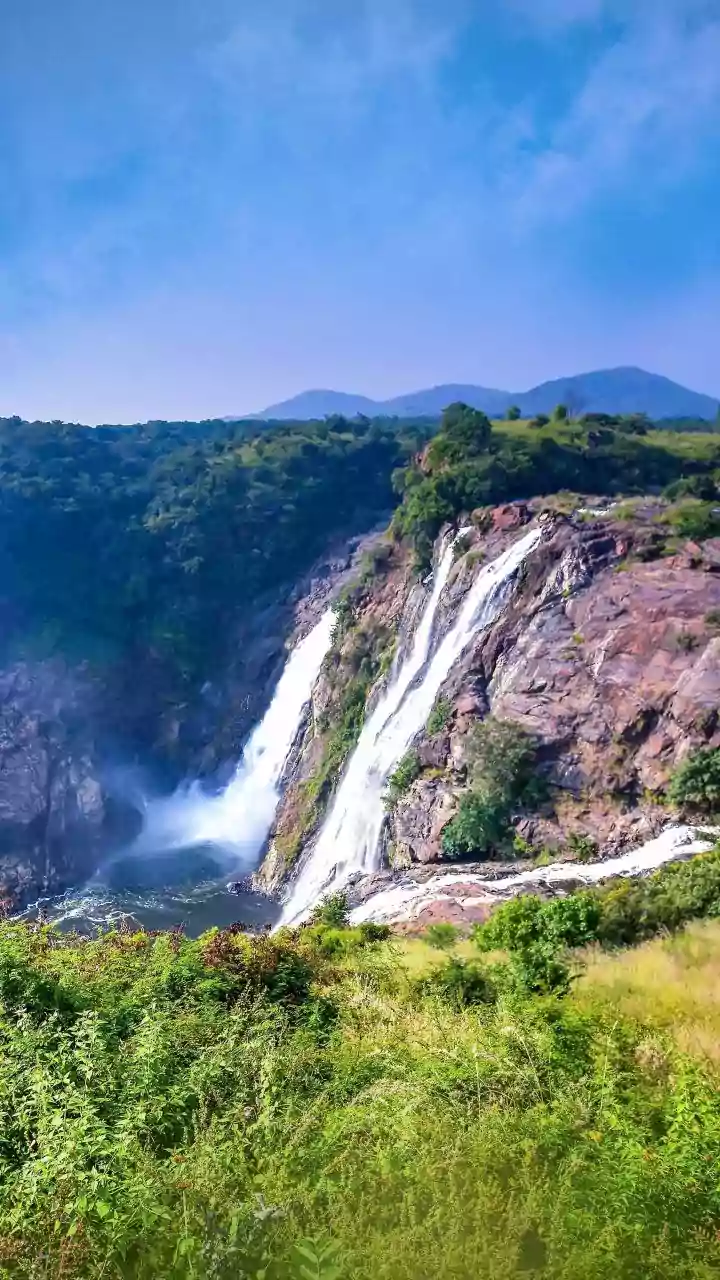
Further south, the area around Satara boasts some of India's most stunning waterfalls. Thoseghar Falls is a series of cascades plunging from a height of about 500 metres, best viewed from a specially constructed platform that ensures safety while offering spectacular views. Nearby is Vajrai Waterfall, often cited as one of the country's tallest plunge waterfalls. This region is ideal for a longer day trip, especially when combined with a visit to the Kaas Plateau, which transforms into a carpet of wildflowers from August. The sheer scale of these waterfalls makes the journey worthwhile for serious nature enthusiasts.
Safety First: A Non-Negotiable Advisory
The allure of monsoon waterfalls comes with significant risks. Recent incidents, including a fatality in Thane and dozens of tourists stranded at Zenith Waterfall in Khopoli, highlight the danger of flash floods. Water levels in streams and rivers can rise within minutes during heavy downpours. Authorities have issued strong advisories, urging tourists to be cautious. Many popular spots, including Devkund Waterfall, are officially closed to visitors during the peak monsoon for safety reasons. Always check local conditions before you travel, never enter fast-flowing water, avoid slippery cliff edges, and obey all official warnings and restrictions. Your safety is more important than any selfie.