




Makhana: The Puffed Powerhouse
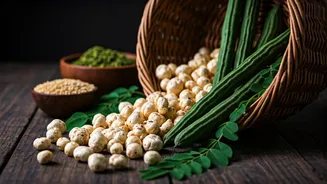
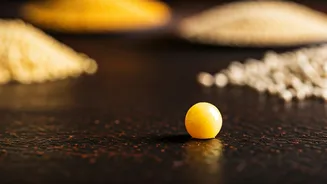
Remember those white, puffy seeds floating in kheer or offered as prasad? That’s makhana, or fox nut. Harvested from the ponds of Bihar and other parts of eastern India, makhana was traditionally a fasting food, valued for being light yet filling. Today,
it has exploded onto the urban snacking scene as a healthy alternative to popcorn and chips. Rich in protein, magnesium, and antioxidants, and low in cholesterol and fat, its appeal is obvious. Brands are now offering it in a dozen flavours, from peri-peri to pudina, transforming a simple pond seed into a premium, guilt-free indulgence. This mainstream success has not only provided a new revenue stream for farmers but also put the spotlight on the labour-intensive and skilled process of harvesting and popping these seeds.
Millets: The Comeback Grains
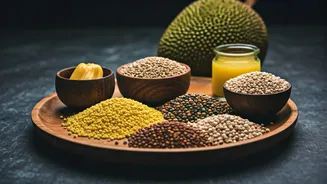
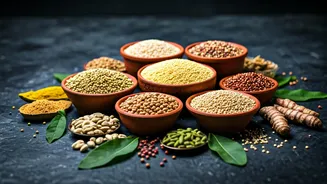
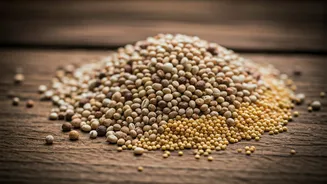
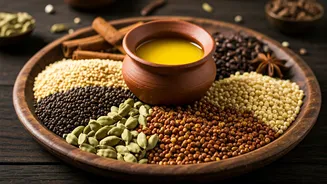
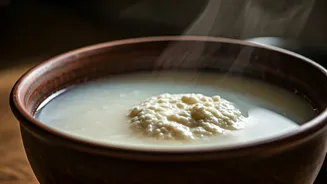
Not long ago, millets like ragi (finger millet), jowar (sorghum), and bajra (pearl millet) were dismissed as 'coarse grains' or food for the poor. Now, they are the darlings of the health-conscious. As the world rediscovers ancient grains, India’s vast variety of millets is finally getting its due. Gluten-free, high in fibre, and packed with essential minerals, they are being hailed for their ability to manage blood sugar and improve gut health. This revival is visible everywhere: ragi is in breakfast cereals and cookies, jowar flour is making gluten-free rotis, and quinoa is facing stiff competition from homegrown alternatives like foxtail millet. The United Nations' declaration of 2023 as the International Year of Millets, championed by India, has only accelerated their journey from village fields to gourmet plates.
Moringa: The Everyday Miracle
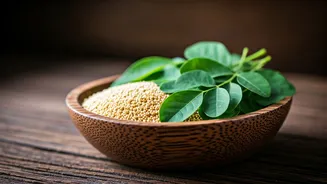
Almost every part of the moringa (drumstick) tree has been used in traditional Indian medicine and cuisine for centuries. The drumsticks are a staple in sambar, and the leaves are used in simple stir-fries in rural households. What's new is its global rebranding as a 'miracle tree'. Its leaves, incredibly rich in vitamins A, C, and E, as well as calcium, potassium, and protein, are now dried and sold as a potent green powder. Urban consumers are adding moringa powder to smoothies, juices, and even lattes for a nutritional boost. This shift has created a new market for a plant that grows abundantly across the country, often in people’s backyards, turning an overlooked resource into a valuable wellness product.
Jackfruit: The Plant-Based Star
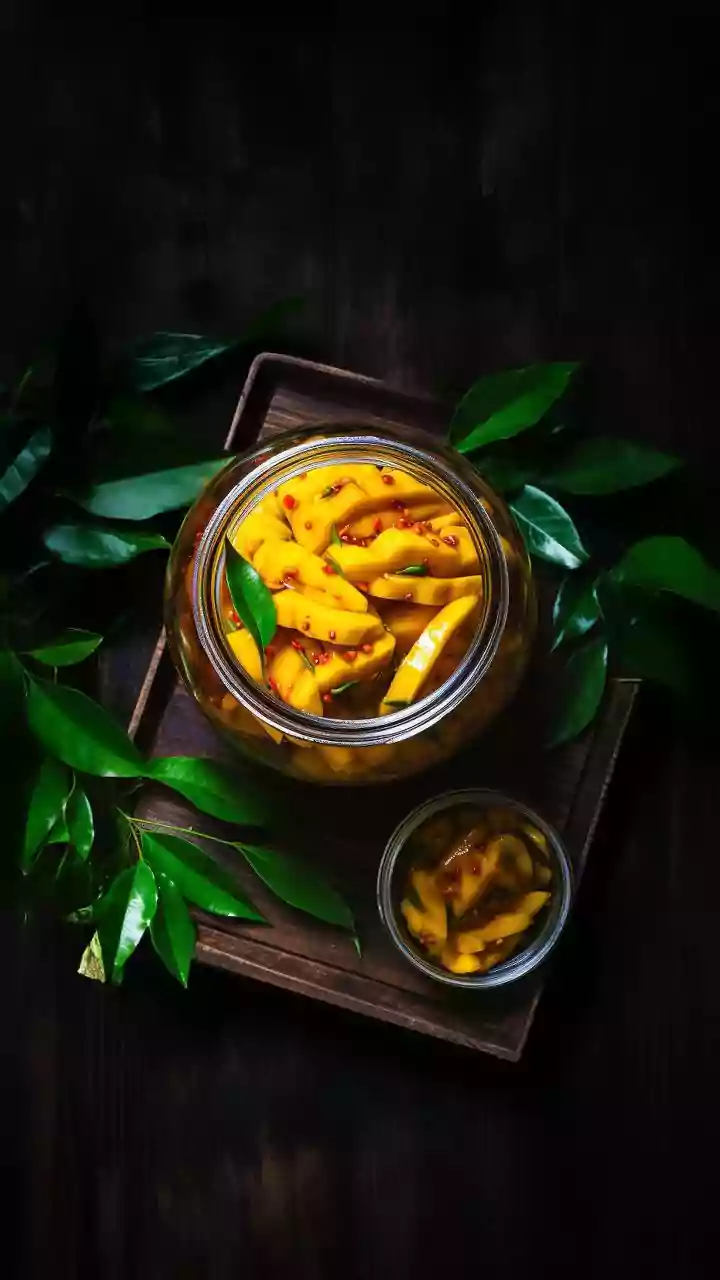
The humble kathal, or raw jackfruit, has long been a part of Indian regional cuisines, cooked into flavourful curries and biryanis. Its fibrous texture, which mimics pulled meat, made it a popular 'vegetarian's meat' long before the term 'plant-based' became a global buzzword. Today, this very quality has catapulted it into the international spotlight as a sustainable and convincing substitute for pork or chicken. Both in India and abroad, you can now find ready-to-eat pulled jackfruit tacos, burgers, and sandwiches. This newfound fame is changing the fortunes of a fruit that often went to waste due to its large size and sticky, difficult preparation process. Now, food processing companies are creating value-added products, providing better income for jackfruit growers in states like Kerala and Karnataka.
The Bigger Picture
This mainstreaming of village superfoods is driven by a perfect storm of factors. Post-pandemic, there's a heightened focus on immunity and preventative healthcare. Simultaneously, a growing sense of cultural pride is encouraging consumers to look inward and appreciate indigenous ingredients over exotic imports. Startups and forward-thinking FMCG companies have been quick to spot this opportunity, bridging the gap between farm and fork with smart branding, convenient packaging, and a compelling narrative of health and heritage. For the first time on a large scale, traditional knowledge is being packaged for the modern consumer, creating a win-win scenario that benefits both urban health and the rural economy.