






The Environmental Toll of Tradition
For generations, the culmination of Ganesh Chaturthi has been the visarjan, or immersion ceremony. While deeply symbolic, the widespread use of idols made from Plaster of Paris (PoP) has led to significant environmental damage. PoP is not a natural material;
it is non-biodegradable and can take several months or even years to dissolve in water. During this time, it leaches harmful chemicals, especially when decorated with synthetic paints containing lead, mercury, and cadmium. This pollutes rivers, lakes, and seas, reducing oxygen levels, increasing acidity, and posing a grave threat to aquatic life. The very water bodies we revere become choked with debris and toxins, a consequence at odds with the spirit of the festival.
A Blooming Alternative: The Seed Ganesha
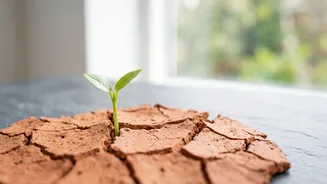
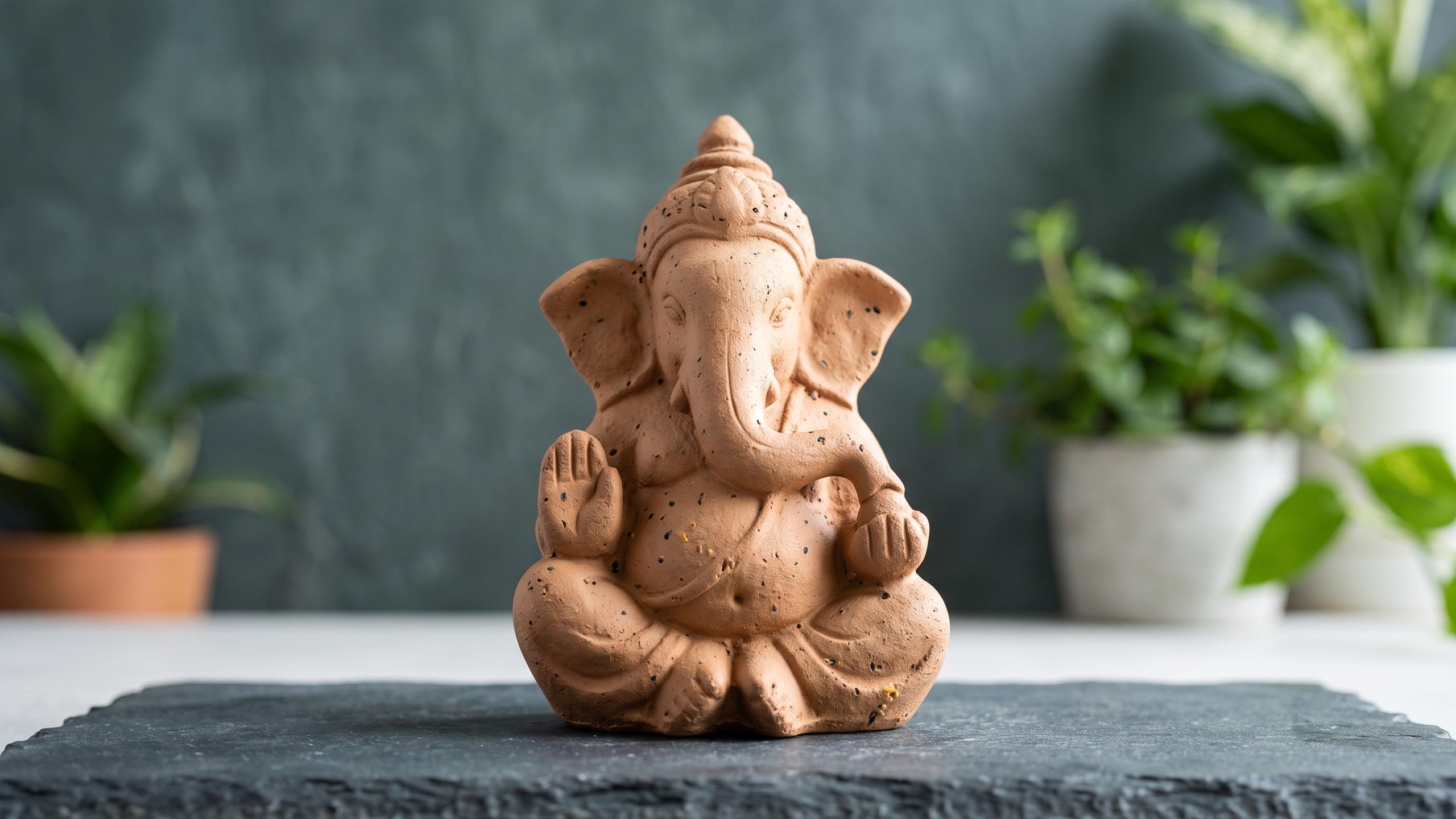
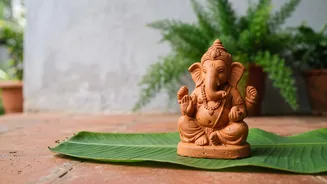
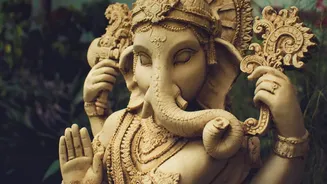
In response to these concerns, a wonderfully innovative solution has captured the hearts of devotees: the seed Ganesha. These idols are handcrafted from natural materials like river clay (shadu mati) or red soil, which are 100% biodegradable. The magic lies within—embedded inside the clay are seeds of flowers like marigold or vegetables and herbs like tulsi and spinach. Instead of contributing to pollution, these idols transform the act of immersion into an act of creation. The farewell to Lord Ganesha becomes a welcome for new life, perfectly aligning with the deity’s symbolism of removing obstacles and fostering new beginnings.
How a Plantable Visarjan Works
Embracing a plantable idol is simple and deeply rewarding. The visarjan process moves from a public water body to the comfort of your own home. After the final aarti and prayers, the idol is not taken to a river but placed inside a pot or a dedicated container. Water is then gently poured over the idol until it is submerged. Over a few hours, the natural clay dissolves completely, leaving behind a nutrient-rich slurry and the precious seeds. This mixture becomes the potting soil for a new plant. Within a week or two, with regular watering, you will see sprouts emerge. Bappa, in essence, returns to the earth and is reborn as a plant that you can nurture in your home, a living symbol of his blessings.
Finding Your Eco-Friendly Idol
The demand for eco-friendly Ganeshas has made them more accessible than ever. Many local artisans, who have traditionally worked with clay, are now creating these beautiful seed-infused idols. You can find them at local markets, community-led workshops, and numerous online stores that deliver across the country. When purchasing one, ensure it is made from genuinely natural clay and uses non-toxic, natural dyes like turmeric or vegetable colours. Many sellers provide a complete kit, including the idol, a pot, and sometimes even organic fertilizer to help your new plant thrive. Some organisations also offer DIY kits, allowing you to sculpt your own Ganesha for an even more personal touch.
Beyond the Idol: A Greener Festival
Adopting a plantable idol is a powerful step, but the spirit of an eco-friendly Ganesh Chaturthi can extend to all aspects of the celebration. Consider using natural decorations like fresh flowers, leaves, and cotton instead of plastic and thermocol. You can create beautiful rangolis with coloured rice and flower petals. Opt for serving prasad on banana leaves or reusable plates to minimise waste. By making conscious choices, you not only reduce your environmental footprint but also deepen your connection to the festival's core values of purity, reverence, and respect for nature. It's a way of honouring Lord Ganesha by protecting the world he is a part of.