



From Concrete to Coriander
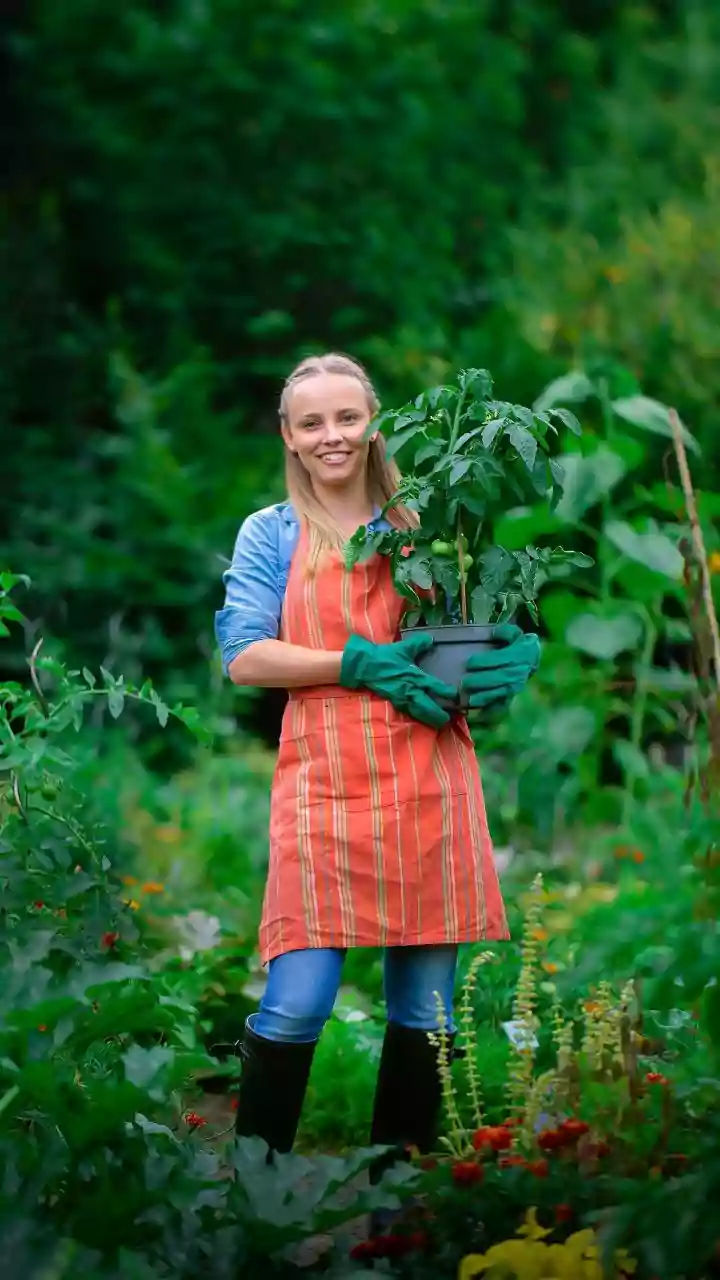
In a city known for its vibrant culture and soaring temperatures, Chennai's residents are embracing a green solution to urban living: balcony farming. This growing trend sees apartment dwellers converting their limited outdoor space into miniature farms.
The motivation is simple yet powerful: a desire for fresh, pesticide-free produce and a closer connection to nature. Concerns over food inflation and chemical residues on store-bought vegetables have prompted many to take control of their food source. What starts with a single pot of mint or coriander often blossoms into a full-fledged garden, providing not just ingredients for the kitchen but also a daily dose of tranquility. This movement is more than a hobby; it’s a lifestyle shift towards sustainability and wellness, proving that you don’t need a sprawling backyard to enjoy the benefits of gardening.
The Benefits of a Balcony Garden
The rewards of cultivating a small garden extend far beyond the kitchen. Tending to plants is a well-documented stress reliever, offering a peaceful escape from the hectic pace of city life. For families, it’s an engaging and educational activity, teaching children where their food comes from. Environmentally, these green pockets contribute to a healthier city. Plants help filter air pollutants and can slightly lower the ambient temperature on a balcony, providing a natural cooling effect against Chennai’s heat. Some urban gardeners even find a sense of community, sharing seeds, surplus produce, and gardening tips with neighbours, turning a personal hobby into a shared passion.
Best Herbs for Chennai's Climate
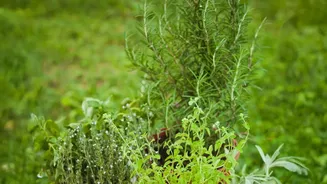
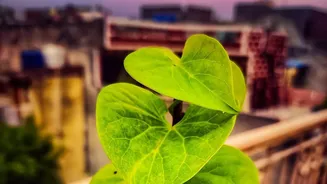
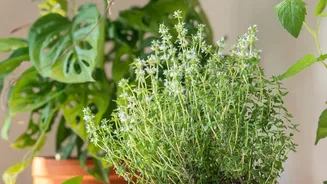
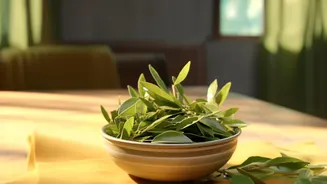
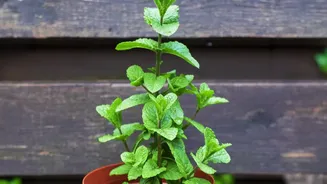
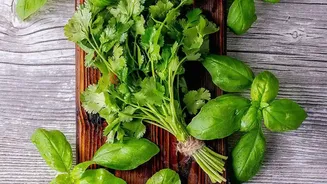
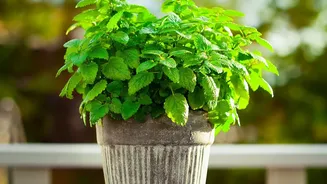
Chennai's tropical climate, with its characteristic heat and humidity, is ideal for a variety of flavourful herbs. When starting, it's best to choose plants that naturally thrive in these conditions. Holy Basil (Tulsi) is a hardy plant that loves sunlight and is a staple in many Indian homes. Mint (Pudina) is another easy-to-grow herb that proliferates quickly in pots. Curry leaves, essential to South Indian cooking, grow well in containers and prefer sunny spots. Lemongrass, with its refreshing aroma, also performs exceptionally well in warm and humid weather. For those who love fresh garnishes, Coriander (Kothamalli) can be grown successfully with a bit of care, especially if given some shade from the intense afternoon sun. These herbs are relatively low-maintenance and are perfect for beginner gardeners.
Your Balcony Garden Starter Kit
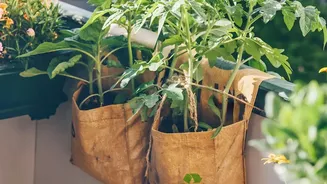
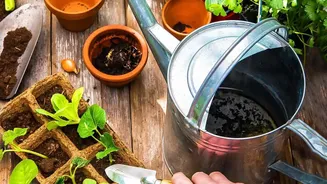
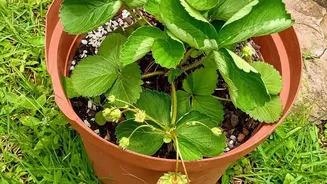
Starting your own balcony herb garden is easier than you might think. First, assess your sunlight. Most herbs need at least four to five hours of sun daily. An east-facing balcony that gets gentle morning light is often perfect. Next, choose your containers. Terracotta pots, plastic containers, or grow bags all work well, but ensure they have drainage holes to prevent waterlogging. For soil, a standard potting mix available at local nurseries is a good start. You can improve it by mixing in cocopeat (which retains moisture) and vermicompost (for nutrients). You can find seeds and saplings at the many garden stores and nurseries across Chennai, such as those in Kilpauk or Medavakkam, or from online suppliers. Water your plants when the top inch of soil feels dry, which might be daily during hot summer months. Start small with just two or three pots to build your confidence.
Overcoming Common Challenges
While balcony gardening is rewarding, you might encounter a few hurdles. Limited space is the most common issue, which can be solved with vertical planters or railing pots to maximise your growing area. Pests can sometimes be a problem, but many can be managed with organic solutions like a simple neem oil spray, which is readily available. Growing companion plants, like marigolds, can also help deter pests naturally. Another challenge in Chennai can be the intense summer heat, which can scorch delicate leaves. If your balcony receives harsh afternoon sun, consider providing some shade with a green net or moving the pots to a cooler spot during the hottest part of the day. Don’t be discouraged by initial failures; gardening is a learning process, and even experienced gardeners lose a plant now and then.