





1. Combat Dampness and Skin Infections
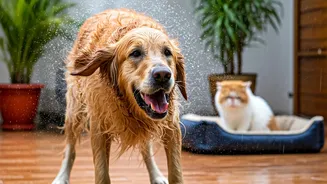
The constant dampness during monsoon creates a perfect breeding ground for fungal and bacterial infections on your pet's skin. A wet coat that isn't dried properly can lead to hotspots, rashes, and a musty odour. To prevent this, always towel-dry your pet thoroughly
after every walk, paying special attention to their paws, underbelly, and ears. For long-haired breeds, a quick blast with a hairdryer on a low-heat setting can work wonders. Keep their bedding clean and dry, washing it more frequently than usual. Brushing your pet's coat daily helps to remove loose fur, detangle knots where moisture can get trapped, and improve air circulation to the skin. Look out for excessive scratching, redness, or hair loss, which could be early signs of an infection requiring a vet's attention.
2. Win the War on Ticks and Fleas
Monsoon humidity causes an explosion in the tick, flea, and mosquito population. These pests are not just an annoyance; they can transmit dangerous diseases like tick fever and heartworm. Your regular anti-tick and flea treatment might need a boost during this season. Consult your veterinarian about the best preventive for your pet, whether it's a spot-on treatment, a medicated collar, or oral tablets. After every walk, conduct a thorough 'tick check' by running your fingers through your pet’s fur, especially around the head, ears, neck, and between their toes. Keeping your home and garden clean is equally important. Use pet-safe disinfectants to mop floors and consider using natural pest repellents like neem oil (in recommended dilutions) around your home’s entry points.
3. Keep Paws Clean and Healthy
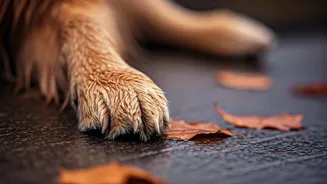
Your pet’s paws are on the front line, constantly exposed to muddy puddles, dirty water, and hidden hazards. This can lead to painful paw pad infections. Make it a non-negotiable rule to clean their paws after every single outing. A simple solution of lukewarm water with a few drops of a pet-safe antiseptic can be used to wash their paws. Afterwards, dry them completely, especially the area between the paw pads. This small ritual prevents them from licking off harmful bacteria and reduces the risk of fungal growth. Regularly check for any cuts, cracks, or signs of irritation. You can also trim the hair between their paw pads to prevent mud from clumping there.
4. Manage Diet and Hydration Carefully
The risk of water-borne diseases increases significantly during the monsoon. Puddles and other stagnant water sources can be contaminated with leptospirosis and other harmful bacteria. Always provide your pet with fresh, clean drinking water. If you're concerned about your tap water quality, it’s a good idea to offer boiled and cooled water. A decrease in physical activity might also mean your pet needs fewer calories. Adjust their food portions slightly to prevent weight gain. Adding fibre-rich foods like pumpkin puree can help maintain good digestion, which can sometimes go haywire during this season. Avoid giving them any food that has been left out for too long, as the high humidity can make it spoil faster.
5. Beat the Indoor Boredom
Shorter walks and less time outdoors can lead to pent-up energy and boredom, which often results in destructive behaviour like chewing furniture or excessive barking. It’s crucial to keep your pet mentally and physically stimulated indoors. Invest in puzzle toys or treat-dispensing toys that make them work for their food. A simple game of 'find the treat' can engage their sniffing instincts. Short, energetic indoor fetch sessions (with a soft ball) or a game of tug-of-war can help burn off energy. You can also use this time to teach them new tricks. A 15-minute training session is a fantastic way to bond with your pet and provide much-needed mental exercise, leaving them tired and content.
6. Ease Thunderstorm Anxiety
Loud thunder and lightning can be terrifying for many pets, causing them to hide, tremble, or become destructive. The key is to create a safe, comforting environment for them. Designate a 'safe spot' in your house, like a crate covered with a blanket or a quiet corner away from windows. Play calming music or white noise to drown out the storm's sounds. Distracting your pet with their favourite toy or a long-lasting chew can also help. Stay calm yourself, as pets can pick up on your anxiety. Act normally and offer quiet reassurance without over-coddling them. In severe cases, anxiety-reducing products like calming sprays or anxiety wraps can be effective, but it’s best to discuss these options with your vet first.