


The Magic and the Malaise
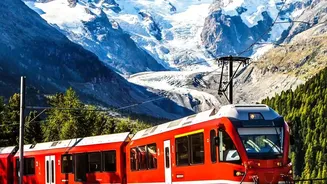
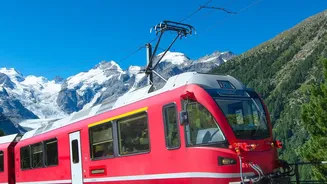
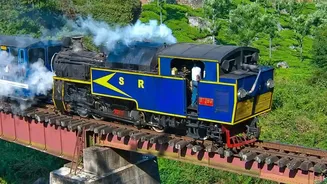
A journey on the Darjeeling Himalayan Railway, the Nilgiri Mountain Railway, or the Kalka-Shimla line is a trip back in time. These UNESCO World Heritage sites offer breathtaking views and a charmingly slow-paced adventure through stunning landscapes.
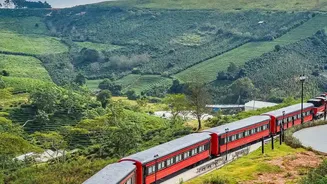
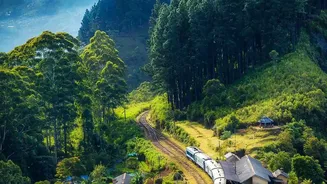
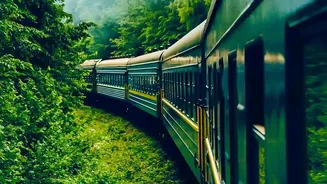
Passengers glue their faces to the windows, mesmerised by tea gardens, deep valleys, and pine forests that unfold with each chug of the engine. However, the romance often collides with a less-than-ideal reality. For many travellers, the experience is defined by cramped, uncomfortable seating, a lack of basic amenities like onboard toilets, and gruellingly long journey times that test one's patience. Breakdowns and delays are not uncommon, turning a scenic ride into a frustrating ordeal. The magic is undeniable, but so are the very real discomforts that mar the journey for the modern passenger.
Defining 21st-Century Passenger Needs
Prioritising passenger needs isn't a call to strip these trains of their character and turn them into generic modern carriages. Instead, it’s about thoughtful enhancements that make the journey more pleasant and accessible. What do today's travellers want? It starts with basics: clean, functional toilets at stations and, where feasible, on longer routes. It means more comfortable seating that respects the heritage aesthetic but doesn’t leave passengers sore after hours of travel. It also includes modern conveniences that operate in the background, like reliable online booking systems to combat the frustration of sold-out tickets and a lack of availability. Furthermore, it means providing better information, from clear announcements about delays to enriching the journey with stories about the railway’s history and the sights along the way.
The Heritage vs. Modernity False Choice
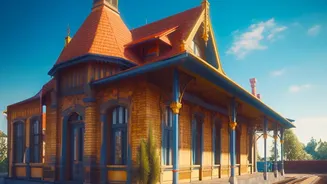
A common objection to significant upgrades is the railways' cherished heritage status. The argument goes that modernisation will dilute the authenticity that makes these lines special. This is a false dichotomy. Heritage preservation and passenger comfort are not mutually exclusive goals. Indian Railways is already exploring this balance under initiatives like the Amrit Bharat Station Scheme, which aims to redevelop heritage stations like Shimla and Coonoor by improving amenities while retaining their architectural soul. The introduction of Vistadome coaches on the Kalka-Shimla route, with their large glass windows, is another step in the right direction, enhancing the viewing experience without compromising the journey's essence. The goal should be adaptive reuse, where the historic 'hardware' of the railway is upgraded with modern 'software' focused on passenger well-being.
A Blueprint for People-First Upgrades
A forward-looking strategy should be multi-faceted. Firstly, Indian Railways must double down on improving station infrastructure, providing better waiting areas, clean facilities, and accessible platforms. Secondly, the rolling stock needs an overhaul that blends classic design with modern ergonomics. Think cushioned benches, better suspension to reduce bumpy rides, and perhaps even tastefully integrated charging points for devices. Thirdly, technology can play a huge role. Imagine an official app that provides real-time train tracking, audio guides for the journey, and a seamless booking interface. Finally, addressing the core engineering can enhance reliability. The recent exploration of hydrogen-powered trains for the Kalka-Shimla route shows a commitment to green, efficient technology that could reduce breakdowns while preserving the environment. These upgrades are not about erasing history, but about making it more accessible and enjoyable for everyone.