





Banish Dampness and Musty Odours
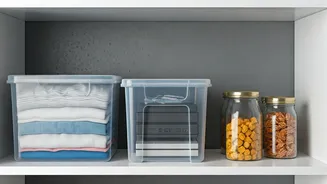
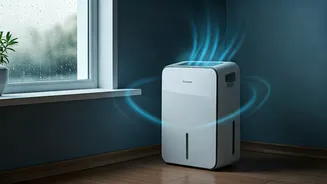
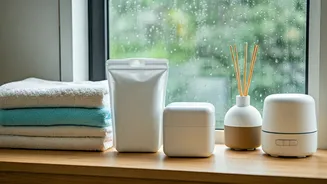
High humidity is the number one enemy during the monsoon, leading to that all-too-familiar musty smell and the growth of mould. To combat this, you don't need expensive dehumidifiers. A simple and effective hack is to use natural moisture absorbents.
Place bowls of uncooked rice, sea salt, or charcoal briquettes in corners of rooms, inside wardrobes, and in shoe racks. For a pleasant fragrance, camphor balls (kapur) or a few drops of lavender essential oil on cotton balls work wonders. They absorb excess moisture and leave behind a clean scent. Also, remember to open windows for at least 30 minutes on sunny or dry days to allow for cross-ventilation, which is crucial for preventing stagnant, damp air.
Protect Your Wooden Furniture
Wood has a tendency to swell and warp in humid conditions, which can cause serious damage to your beloved furniture. Doors get stuck, drawers refuse to open, and the finish can get ruined. The best defence is a good offence. Before the monsoon truly sets in, give your wooden items a protective coat. You can apply a layer of wax or polish, which creates a barrier against moisture. For a more traditional approach, a light application of linseed oil or even coconut oil can help repel water. If a door or window is already sticking, avoid forcing it. Instead, use a hairdryer to gently dry the swollen area and then rub the edges with a wax candle or a bar of soap to make it slide smoothly.
Win the Indoor Laundry Battle
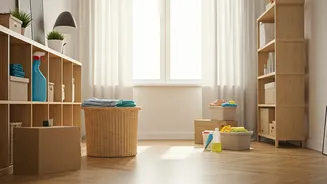
Drying clothes indoors can feel like an impossible task, often leaving them with a damp, unpleasant smell. The key is to maximise air circulation. When hanging clothes on an indoor rack, leave ample space between each item. Direct a fan towards the rack to speed up the drying process. For thicker items like jeans or towels, a clever trick is to iron them while they are still slightly damp. The heat will quickly evaporate the remaining moisture and leave them feeling fresh. If you’re in a real hurry, hanging a single garment on a hanger in the bathroom after a hot shower can help it dry faster due to the warm, steamy air, provided the exhaust fan is running to pull moisture out.
Keep Unwanted Pests Away
The monsoon is peak season for insects like mosquitoes, flies, and creepy crawlies seeking shelter indoors. Instead of relying solely on chemical repellents, incorporate natural deterrents into your home. A mixture of neem oil and water can be sprayed near windows and doorways to keep mosquitoes at bay. The scent of lemongrass, mint, and tulsi plants are also natural repellents, so placing pots near entry points can be both beautiful and functional. To prevent drain flies, regularly pour a mixture of hot water, vinegar, and baking soda down your kitchen and bathroom drains. This simple practice keeps your pipes clean and discourages pests from breeding.
Safeguard Your Electronics and Valuables
Moisture is the arch-nemesis of electronics, leather goods, and important documents. The small silica gel packets that come with new shoes or electronics are your best friends here. Don't throw them away! Instead, collect them and place them in your camera bag, laptop case, jewellery boxes, and with your important files. They are excellent at absorbing ambient moisture and preventing fungal growth or corrosion. For your expensive electronics plugged into the wall, a surge protector is a non-negotiable investment during the monsoon. Lightning strikes and fluctuating power can cause irreversible damage, and a good surge protector can save you from costly repairs.
Care for Your Carpets and Rugs
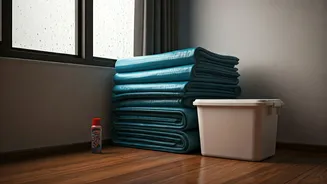
Carpets and rugs can become breeding grounds for mould and mildew during the rains, trapping moisture and dust. The best hack is to roll them up and store them away for the season. If you prefer to keep them out, ensure they are vacuumed regularly—at least twice a week—to remove dust and any fungal spores. If a spill occurs, blot it immediately and use a hairdryer on a low setting to dry the spot completely. Sprinkling baking soda over the carpet, letting it sit for an hour, and then vacuuming it up can help absorb any lingering moisture and neutralise odours, keeping your flooring fresh and hygienic.