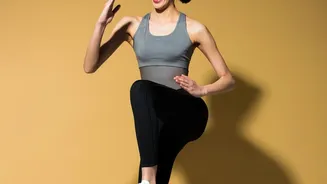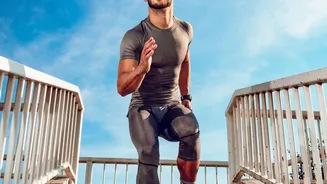






Why Low-Impact Matters
Before diving into specific exercises, it’s important to understand why 'low-impact' is a game-changer for many. Low-impact cardio increases your heart rate without subjecting your joints—especially your knees, hips, and ankles—to the jarring force of
activities like running and jumping. This makes it an ideal choice for people with arthritis, previous injuries, or general joint sensitivity. These workouts reduce the stress on your body while still delivering fantastic benefits, including a stronger heart, improved circulation, better mood, and effective calorie burn. The goal is to get your heart pumping and muscles working, all while being kind to your body.
Swimming: The Ultimate Full-Body Workout
Swimming is frequently praised as one of the best low-impact exercises, and for good reason. The water's buoyancy supports your body weight, which dramatically reduces stress on your joints. This aquatic environment allows for a full range of motion that might be painful on land, helping to improve flexibility and reduce stiffness. But it’s not just about joint protection. Swimming is a powerful cardiovascular workout that engages almost every muscle group, strengthening your heart and improving lung capacity. Studies have shown regular swimmers have lower resting heart rates, better blood pressure, and a significantly lower risk of death from heart disease. You don't have to be a competitive swimmer; even water walking or water aerobics can provide an excellent workout.
Cycling: Indoors or Out
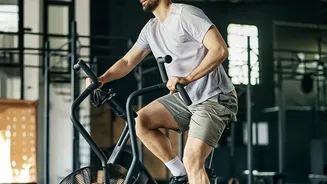
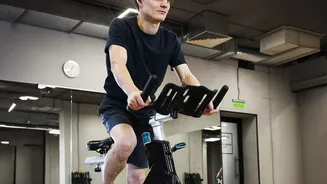
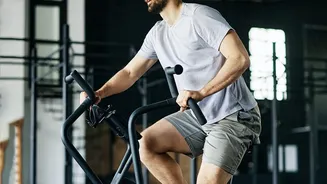
Whether on a stationary bike at the gym or exploring local parks, cycling is a superb way to boost heart health without pounding your joints. The smooth, circular motion strengthens the major muscles that support the knees, including the quadriceps and hamstrings. Stronger muscles act as shock absorbers for the joint, providing better stability and reducing pain. Cycling helps lubricate the knee joints by encouraging the production of synovial fluid, which can ease stiffness associated with arthritis. It's also a highly effective cardio exercise that improves circulation and helps with weight management, further reducing the load on your weight-bearing joints.
Elliptical Training: Gliding to Fitness
The elliptical machine was specifically designed to be a low-impact alternative to running. Your feet remain on the pedals in a continuous gliding motion, which mimics running without the stressful impact on your ankles, knees, and hips. This makes it an excellent choice for those with knee concerns or arthritis, as it provides a great cardiovascular workout while strengthening the muscles that support the knee joint. Many machines also have movable handles, allowing you to engage your upper body for a full-body workout. For added benefit, some studies suggest that using the elliptical in reverse at a low incline can be particularly beneficial for those with knee osteoarthritis.
Brisk Walking: Simple and Effective
Never underestimate the power of a good walk. Brisk walking is one of the most accessible and effective forms of low-impact cardio. 'Brisk' means walking at a pace where you can still talk but would struggle to sing. This level of intensity is enough to elevate your heart rate, improve circulation, and help manage conditions like high blood pressure and type 2 diabetes. Walking on softer surfaces like a park trail or a running track can be even gentler on your joints than hard concrete. It requires no special equipment and is an excellent way to build endurance, improve your mood, and support long-term health.
Water Aerobics: Fun and Functional
For a social and structured workout, water aerobics is a fantastic option. These classes combine cardiovascular exercises with resistance training in a supportive aquatic environment. The water's natural resistance is about 12 times greater than air, meaning every movement helps build muscle strength without the need for heavy weights or high-impact stress. It's particularly beneficial for those with arthritis, as the warm water can help relax muscles and the buoyancy reduces joint strain. Exercises like aqua jogging and underwater jumping jacks get your heart rate up while protecting your body.