



Which Regions Are on High Alert?
Authorities in Himalayan states are on high alert as the 2026 monsoon approaches. States like Uttarakhand and Himachal Pradesh, home to popular destinations such as Shimla, Mussoorie, and Nainital, are particularly vulnerable. [4, 15] In May 2026, the Uttarakhand government
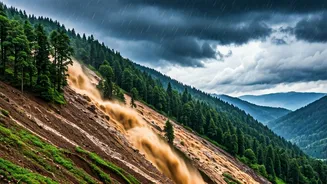
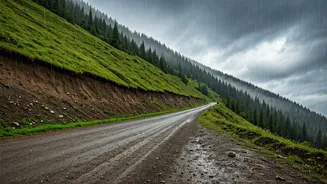
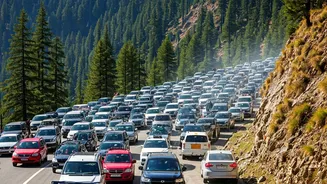
began extensive mapping of settlements in districts like Uttarkashi, Chamoli, and Pithoragarh, which are prone to landslides and floods. [5, 13] Similarly, the Shimla district administration has directed all departments to strengthen disaster management measures, identifying vulnerable locations and preparing for recurring incidents like landslides and flash floods. [15] Even the Darjeeling-Kalimpong belt in West Bengal frequently experiences blocked highways and isolation due to landslides during heavy rains. [4, 33]
The Compounding Crises: Unchecked Growth and Fragile Geology
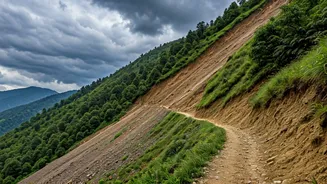
The problem isn't just the rain; it's what the rain falls upon. Many Himalayan towns are built on geologically unstable ground, often on debris from ancient landslides. [6, 7, 9] The town of Joshimath in Uttarakhand, for instance, sits on such fragile foundations and has experienced significant land subsidence, causing deep cracks in hundreds of homes. [6, 8] This natural vulnerability is dangerously amplified by human activity. Experts point to rampant, unregulated construction of hotels and roads, which often flout building codes, as a primary culprit. [12, 14, 30] This rapid urbanisation on steep slopes compromises natural drainage systems and destabilises the land, making it more susceptible to collapse during intense rainfall. [13, 18, 30]
Climate Change: The Threat Multiplier
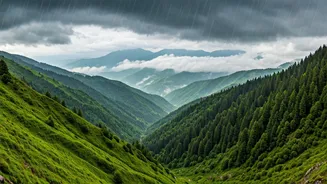
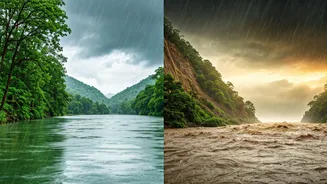
Layered on top of these issues is the accelerating impact of climate change. The monsoon pattern itself is becoming more erratic and dangerous. [19, 26] Instead of steady, prolonged showers, the trend is shifting towards short, intense bursts of extreme rainfall. [19, 27] For every degree Celsius of warming, monsoon rainfalls are projected to increase by about 5%. [26, 28] This intensifies the risk of flash floods and landslides, as the saturated soil on weakened slopes gives way. [13, 17] The warming trend is also causing glaciers to melt faster, increasing the risk of glacial lake outburst floods (GLOFs), a sudden and catastrophic release of water that can devastate downstream communities. [9, 12] Rising temperatures in the Himalayas, which are warming faster than other mountain ranges, are also leading to more frequent forest fires and shrinking snow cover, affecting the river systems millions depend on. [7, 32]
Strengthening Defences and Staying Safe
In response, state governments are scrambling to bolster their defences. Uttarakhand is deploying advanced early warning systems for floods and landslides, including installing real-time monitors at vulnerable glacial lakes. [21] Chief Minister Pushkar Singh Dhami has made monsoon preparedness a top priority, ordering the identification of all risk zones and the pre-deployment of machinery along critical routes like the Char Dham Yatra. [11] The Himachal Pradesh government is also focusing on strengthening early warning systems and has begun stockpiling essential supplies in remote areas prone to being cut off. [22, 24, 25] For travellers and residents, the advice is to remain vigilant. Always check weather alerts from the India Meteorological Department (IMD) before and during your trip. Avoid travelling during red or orange alerts, stay away from riverbeds, and be aware of the signs of a potential landslide, such as new cracks in the ground or sudden changes in water flow.