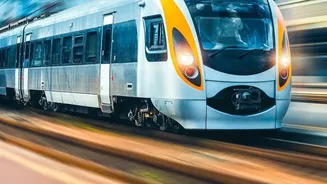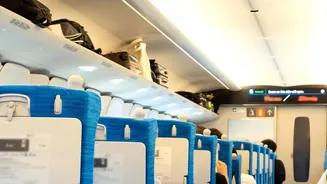




The Vande Bharat Express has changed train travel in India, but the on-board dining experience has often been a topic of debate. Now, IRCTC is trying a new approach: a smaller menu aimed at delivering better quality. Here’s what it means for you.
Less is More: The New Food Philosophy
Indian
Railways is embracing a 'less is more' philosophy in a significant trial aimed at enhancing the passenger dining experience. The Indian Railway Catering and Tourism Corporation (IRCTC) has initiated a pilot project on three Vande Bharat sleeper train routes, introducing a more compact, airline-style menu. This trial, which began on November 1, 2026, is a direct response to persistent passenger complaints regarding the quality, hygiene, and consistency of meals served on long-distance trains. The core idea is that by reducing the number of dishes offered, IRCTC can better monitor food preparation, ensure freshness, and maintain higher standards from kitchen to seat. Officials believe that focusing on fewer items will lead to a perceptible improvement in overall meal quality, a pain point for many travellers.
Which Vande Bharat Trains Are Affected?
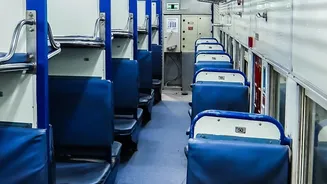
This initial trial is being conducted exclusively on the three Vande Bharat sleeper routes currently in operation. Passengers travelling on the following services will be the first to experience the new, trimmed-down menu: Mumbai-Bengaluru, Howrah-Kamakhya (in Guwahati), and New Delhi-Varanasi Junction. IRCTC is closely monitoring passenger feedback on these routes before making any decision to expand the initiative to other Vande Bharat services or premium trains like the Rajdhani and Shatabdi Express. The success of this pilot project will determine the future of on-board catering across the wider rail network.
A Look at the New, Streamlined Menu
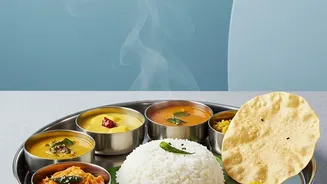
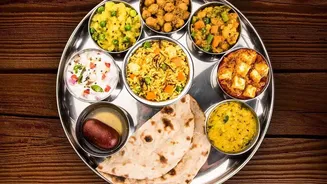
So what exactly has changed? The new menu significantly reduces the number of items on a passenger's tray, from a spread of eight to ten dishes down to a more focused selection of four. For breakfast, options have been simplified to choices like idli and vada with chutney and sambar, poha, or upma. Items such as soup, egg omelettes, sandwiches, and buttermilk have been removed from the morning service. For lunch and dinner, the meal now primarily consists of chapati, rice, dal, and one main dish, with a choice between a vegetable or chicken preparation. Accompaniments like a separate dry vegetable, curd, salad, pickles, and sweets, which were previously standard, are no longer part of the meal tray. The total weight of a meal has also been reduced from around 700-750 grams to approximately 450-500 grams, though IRCTC officials clarify that the portion size of the main dishes remains unchanged.
Why the Change Was Necessary
The move to revamp the menu was driven by a consistent stream of passenger feedback and complaints. Over the last few years, passengers on various premium trains, including the Vande Bharat, have reported issues ranging from being served cold or stale food to more serious concerns like finding insects or cockroaches in their meals. Incidents on several Vande Bharat routes highlighted the challenges of maintaining quality with an extensive menu prepared in compact pantry cars. By simplifying the offerings, IRCTC aims to streamline the entire supply chain. The corporation has also partnered with major cloud kitchens and established hospitality groups—such as TajSATS, Mayfair Group, and Sarovar Portico Group—to prepare the meals, shifting away from smaller, harder-to-monitor vendors. This de-linking of meal production and service is designed to bring professional, restaurant-quality standards to train catering.