



As the winter chill sets in, our cravings shift towards comforting, warm meals. Thankfully, Indian cuisine offers a treasure trove of dishes that are not only delicious and warming but also packed with nutrients to keep you healthy all season long.
Sarson da Saag
This
iconic Punjabi dish is a winter staple for a reason. Made from mustard greens, spinach, and other leafy vegetables, Sarson da Saag is a powerhouse of nutrients. Dietitians note that it's rich in vitamins A, C, and K, which are crucial for boosting immunity and maintaining bone health. The greens have a natural warming effect on the body. Typically served with makki di roti (maize flour flatbread), the combination provides ample fibre, which aids digestion and helps keep you feeling full and satisfied during colder months.
Bajra Khichdi or Roti
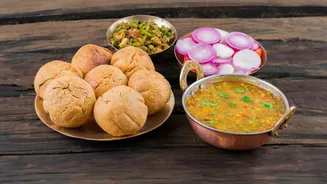
Pearl millet, or bajra, is a celebrated winter grain in many parts of India, especially in Rajasthan and Gujarat. It is known for its thermogenic effect, meaning it helps generate heat during digestion to maintain body temperature. Whether prepared as a hearty khichdi with lentils and vegetables or as a simple roti, bajra is a fantastic source of iron, magnesium, and fibre. These nutrients help combat winter lethargy by providing sustained energy and also support a robust immune system to ward off seasonal illnesses.
Gond ke Laddu
These sweet, bite-sized balls are more than just a dessert; they are energy-dense nutritional powerhouses. The primary ingredient, 'gond' (edible gum), is famed for its warming properties and is often recommended to help lubricate joints, which can feel stiff in the cold. Prepared with whole wheat flour, ghee, nuts, and a sweetener like jaggery, these laddus provide a significant energy boost. The healthy fats from ghee and nuts offer satiety and sustained warmth, making them a perfect, wholesome winter indulgence.
Panjiri
Hailing from Punjab, Panjiri is a loose, crumbly mixture made from whole wheat flour, ghee, dried fruits, and nuts. Traditionally consumed to generate heat and energy, it's a favourite winter snack. Dietitians highlight its nutrient density, providing essential vitamins, proteins, and healthy fats that fortify immunity against common winter colds and coughs. Its ingredients are known to boost energy levels and aid digestion, making it a functional and delicious way to stay warm and active.
Undhiyu
This traditional Gujarati mixed_vegetable dish is a celebration of winter produce. Its name is derived from the word 'undhu', meaning upside down, which refers to the traditional method of cooking it underground in earthen pots. Undhiyu combines a variety of winter vegetables like surti papdi (flat beans), yams, sweet potatoes, and brinjals. This medley makes the dish incredibly rich in fibre, vitamins, and antioxidants that support overall health and immunity. It is a wholesome, one_pot meal that provides balanced nutrition and comfort.
Gajar ka Halwa (The Healthy Way)
No Indian winter feels complete without Gajar ka Halwa. While traditionally rich, dietitians suggest a few simple swaps to make this beloved dessert healthier without sacrificing flavour. Using jaggery instead of refined sugar adds minerals and a deeper flavour. Carrots, the star ingredient, are an excellent source of Vitamin A and antioxidants. Preparing the halwa with milk instead of khoya (milk solids) and a moderate amount of ghee can reduce the calorie count while still delivering that classic creamy texture and comforting warmth.
Millet Soup (Raab)
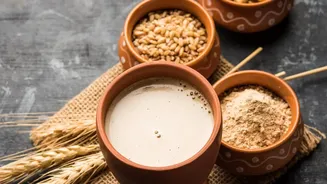
A warm, soothing bowl of soup is the ultimate winter comfort, and a traditional millet soup, often called 'Raab' in Rajasthan, is both healing and nourishing. Made with millet flour like bajra or ragi, it is often spiced with ginger and carom seeds (ajwain), which are excellent for digestion. This soup is particularly beneficial for soothing a sore throat or combating a cold. Millets provide complex carbohydrates for sustained energy, and their high fibre content prevents the bloating that can sometimes accompany heavier winter meals.