







Seeing is Believing
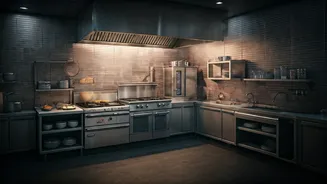
At its core, the appeal of a live kitchen is rooted in a simple psychological principle: transparency breeds trust. For decades, the restaurant kitchen was a mysterious backroom, a place diners were not meant to see. This separation created a natural
information gap, leaving room for doubt about hygiene, ingredient quality, and preparation methods. An open kitchen immediately closes that gap. By allowing guests to see where and how their food is made, restaurants are demonstrating that they have nothing to hide. This visual proof of cleanliness and order provides a powerful sense of reassurance, reducing the uncertainty that can accompany eating out. Psychologically, this transparency taps into what is known as the 'Halo Effect'; a clean, professional-looking kitchen leads diners to subconsciously believe the food will be of equally high quality.
The Kitchen as Theatre
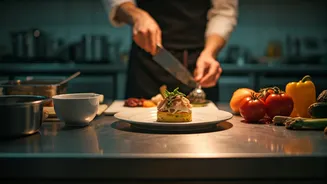
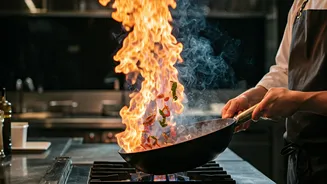
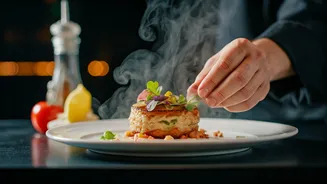
Beyond the practicalities of hygiene, a live kitchen transforms the act of cooking into a performance. The rhythmic chopping, the flair of a wok toss, and the intense focus of the chefs add a layer of entertainment to the dining experience. It becomes a multi-sensory event, engaging not just taste, but also sight and sound. This 'theatre kitchen' concept creates a dynamic atmosphere that a closed-off dining room can't replicate. In India, where food is deeply intertwined with culture and community, watching a chef expertly work a tandoor or assemble a complex dish resonates deeply. It connects diners to the craft and effort involved, turning a simple meal into a memorable event and fostering a stronger appreciation for the food.
A Guarantee of Freshness and Skill
Live kitchens do more than just prove a space is clean; they serve as a live-action testament to the quality of the ingredients and the expertise of the staff. When you can see fresh vegetables being chopped, dough being rolled, or seafood being pulled from the ice, it offers an implicit guarantee of freshness that no menu description can match. This is particularly important for consumers who are increasingly conscious about where their food comes from. Furthermore, watching a skilled chef at work builds confidence in the meal to come. Their precision and efficiency are on full display, showcasing a level of professionalism that reassures customers. This interaction, even from a distance, helps humanise the cooking process and forges a connection between the diner and the chef.
The Indian Appetite for Assurance
In India, the live kitchen trend has found particularly fertile ground. For a population that navigates a wide spectrum of food options, from street-side stalls to fine-dining establishments, the assurance of hygiene is paramount. A live kitchen acts as an immediate differentiator, signaling a commitment to quality and safety that builds immense credibility. It addresses long-held concerns about food preparation standards in a direct and convincing way. As Indian diners become more discerning, their demand for transparency has grown, making the open kitchen not just a trend, but a smart business strategy. Restaurants that embrace this openness are meeting a clear consumer need for trust and are being rewarded with loyalty.