


The Trend Is Real and It’s Stylish
Make no mistake, the daybed's resurgence is more than just a fleeting fancy. Design publications and furniture brands are heralding 2026 as the year of the daybed, showcasing it not as a clunky sofa bed alternative, but as a chic, desirable centerpiece.
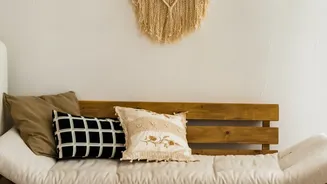
No longer just for children's sleepovers, sophisticated and grown-up versions are appearing in high-end design collections and filling social media feeds. Designers have re-envisioned this classic piece with clean lines, sculptural forms, and luxurious materials like velvet, linen, and warm-toned woods, transforming it from a purely functional item into a statement of style.
Moving Into the Main Room
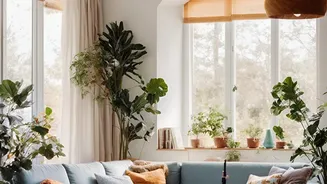
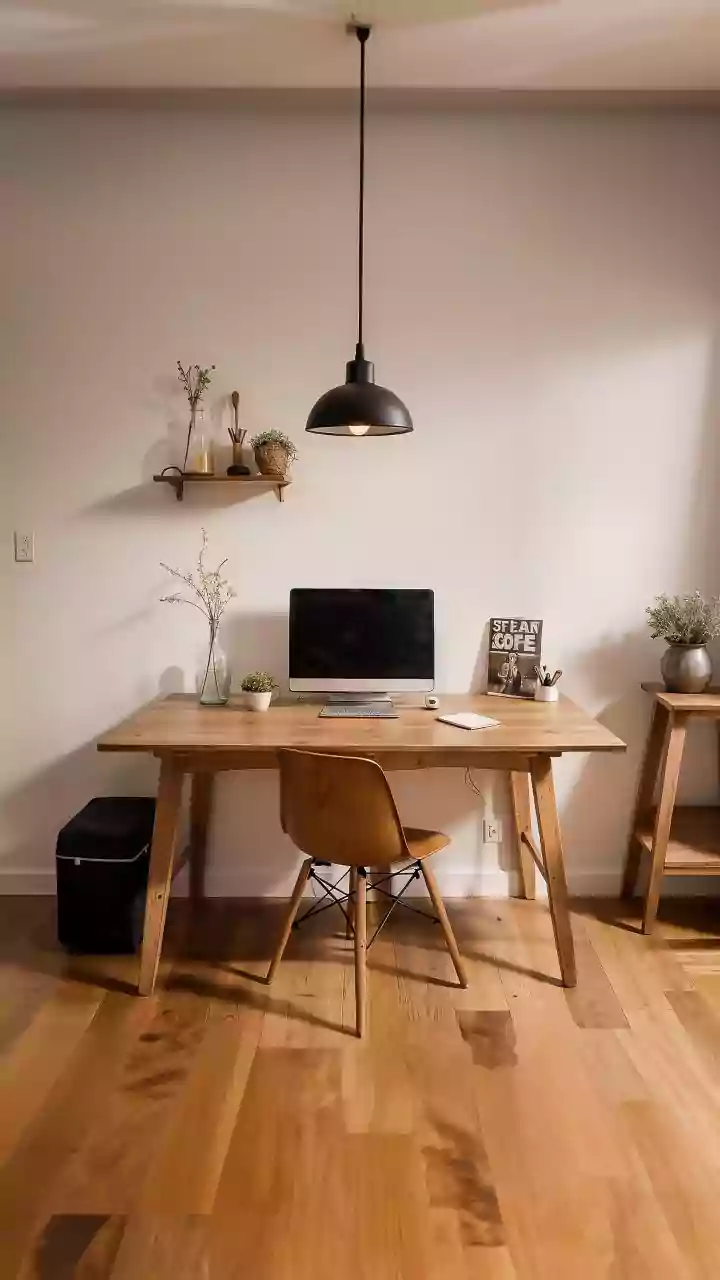
The most significant aspect of this trend is where the daybed is being placed. Its migration from the guest room to primary living spaces is a defining feature of its 2026 comeback. Designers and homeowners are now confidently placing daybeds in living rooms, home offices, and even spacious hallways or under a window as a perfect reading nook. They serve as an elegant replacement for a traditional sofa, fill an awkward corner with purpose, or act as a divider in an open-plan space. This move signifies a shift in perception: the daybed is no longer a temporary solution for guests, but a permanent, integrated part of a home's daily life.
A Smart Response to Modern Life
The daybed's rising popularity is a direct reflection of our changing lifestyles. As urban homes become more compact, the demand for multifunctional furniture has skyrocketed. The daybed is a perfect answer, serving as a chic sofa for entertaining, a lounging spot for reading or napping, and a comfortable bed for the occasional overnight guest. The work-from-home era has also blurred the lines between different zones in our homes, creating a need for flexible, 'third spaces' that aren't strictly for work or sleep. A daybed offers a place for pause and repose—a piece of furniture that encourages rest in a culture that rarely allows it.
The Diwan’s Contemporary Cousin
In India, this trend feels both new and deeply familiar. The modern daybed shares a clear lineage with the traditional diwan, a staple of Indian households for generations. Like the diwan, the daybed is a versatile platform for living—a place for afternoon chats, naps, and informal seating. The 2026 trend sees this concept updated with modern aesthetics, from minimalist Japandi styles with clean lines to more plush, upholstered versions. This return to furniture that supports a relaxed, flexible lifestyle feels like a natural evolution, blending global trends with a sense of cultural continuity.
More Than Just a Piece of Furniture
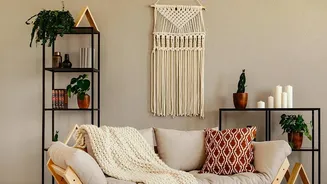
Ultimately, the daybed is no longer being treated as a compromise. With a proper mattress, it offers superior comfort to a typical sofa bed. Its depth makes it ideal for true lounging, while a clever arrangement of bolster and throw pillows can provide the structure of a conventional sofa. Modern designs are also smarter, often incorporating hidden trundles or storage drawers to maximize functionality. Today’s daybed is a sculptural, adaptable, and deeply comfortable piece that proves style and practicality can coexist beautifully. It is less a piece of furniture and more a platform for a flexible, relaxed way of living.