


The Ranking That Raised Eyebrows
For years, the ultimate travel goal for many has been a European sojourn. But a recent travel affordability index shook up this conventional wisdom. The study, which analysed factors like average costs for hotels, food, and transport, placed Bhutan high
on its list of budget-friendly destinations, even ahead of some perennial European favourites. While these global indexes often use US dollar pricing for a Western traveller, the core finding holds a special, more potent truth for Indians. For us, Bhutan isn't just affordable; it's a magnificent travel bargain hiding in plain sight.
The Cost Equation: Rupee vs. Euro
Let’s talk numbers. A European trip involves significant expenses even before you land: visa fees, travel insurance, and long-haul flight tickets that can run into tens of thousands of rupees. Once there, a decent meal in Paris or Amsterdam can set you back €20-€30 (₹1,800-₹2,700), and a mid-range hotel easily costs over €100 (₹9,000) a night. Now, consider Bhutan. The country has a mandatory Sustainable Development Fee (SDF) which, for Indian tourists, is a highly subsidised ₹1,200 per person per day (compared to $100 for other nationalities). This fee contributes to Bhutan's public services and preservation efforts. Beyond the SDF, daily expenses are gentle on the wallet. A delicious local meal can be enjoyed for ₹300-₹500, and comfortable, charming hotels are available for ₹2,500-₹4,000. When you add it all up, a week in Bhutan can cost a fraction of a similar-length trip to Western Europe.
The Journey: A Short Hop vs. A Long Haul
The sheer convenience of travelling to Bhutan cannot be overstated. From major Indian cities like Delhi, Kolkata, or Guwahati, you can be in Paro, home to Bhutan’s only international airport, in under three hours. There is no gruelling 10-hour flight, no jet lag to conquer, and best of all, no painstaking visa application process. Indian citizens do not need a visa to enter Bhutan; a valid passport or Voter ID card is sufficient to obtain an entry permit at the border. Compare this to the paperwork, appointments, and anxiety associated with securing a Schengen visa. The time and money saved on the journey alone make Bhutan an incredibly attractive proposition.
The Experience: Serenity vs. Sightseeing
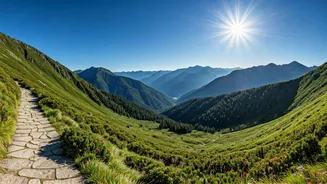
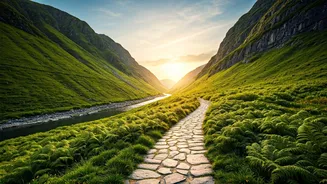
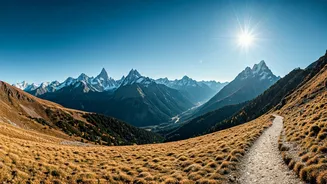
A European holiday is often a whirlwind of ticking off landmarks—the Colosseum, the Louvre, Charles Bridge. It's about history, art, and the electric buzz of ancient cities. Bhutan offers a different, more profound kind of experience. Here, the main attractions are tranquillity and nature. The journey is not about rushing between museums but about mindful hikes to breathtaking monasteries like the Tiger's Nest (Paro Taktsang), absorbing the serene silence of the Punakha Dzong, and witnessing a culture guided by the philosophy of Gross National Happiness. It’s a vacation that recharges your soul, not just your camera roll. Instead of navigating crowded subways, you’ll be driving through pristine mountain valleys dotted with prayer flags.
Culture and Connection
While Europe offers a fantastic cultural dive, Bhutan provides a sense of connection that feels both exotic and familiar. The deep-rooted Buddhist heritage shares common threads with Indian spirituality, making the cultural landscape accessible and resonant. The food, with its emphasis on chillies (ema datshi, anyone?), rice, and dairy, has a comforting quality. The people are known for their warmth and hospitality. Shopping here isn't about luxury brands; it's about buying beautiful, handcrafted textiles, wooden masks, and intricate thangka paintings that tell a story. It’s an immersion into a way of life that prioritises community and nature over commercialism—a stark, refreshing contrast to the consumer-driven capitals of Europe.