







The Great Fitness Cool-Down
For the better part of a decade, high-intensity interval training, or HIIT, has reigned supreme. The promise was alluring: maximum results in minimum time, achieved through gruelling bursts of all-out effort. But after years of burpees and sprints, a collective
sense of burnout has begun to set in. Trainers and fitness enthusiasts are increasingly questioning the 'go hard or go home' mentality, citing issues like fatigue, plateaus, and a higher risk of injury. This has opened the door for a different philosophy, one that prioritizes consistency and foundational health over sheer intensity. The fitness world seems to be taking a collective deep breath and rediscovering the power of a slower, more deliberate approach to building endurance.
What Exactly Is Zone 2?
So, what is this 'magic' Zone 2 everyone is talking about? In a five-zone heart rate model, Zone 2 represents a low-to-moderate intensity, typically 60% to 70% of your maximum heart rate. Forget gasping for air; the goal here is to maintain a pace where you can comfortably hold a full conversation. If you can chat but can't quite sing, you're likely in the sweet spot. This isn't about being lazy; it's about being strategic. Training in this zone primarily uses fat for fuel and stimulates mitochondrial efficiency. Think of mitochondria as the tiny power plants inside your cells. Zone 2 training encourages your body to build more of these power plants and makes them better at producing energy, which is the cornerstone of true endurance.
The Science of 'Slow and Steady'
The shift towards Zone 2 isn't just about feel-good workouts; it's backed by significant physiological benefits. By exercising at this steady state, the body becomes more efficient at burning fat for energy, preserving precious glycogen stores for when you need a real burst of power. This improves your overall metabolic flexibility. It also helps with lactate clearance, meaning your body gets better at managing the byproducts of harder efforts, allowing you to recover faster. Unlike HIIT, which can put significant stress on the body and require longer recovery periods, Zone 2 is gentle enough to be performed more frequently without leading to overtraining or burnout. It's the foundational work that makes all your other, harder workouts even more effective.
Why Rowing Is The Perfect Match
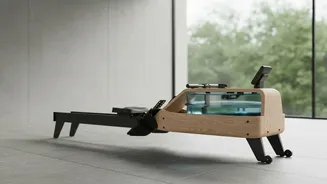
While Zone 2 can be achieved through various activities like brisk walking or cycling, the rowing machine has emerged as a particularly effective tool. Rowing provides a full-body workout, engaging major muscle groups in the legs, core, and upper body simultaneously. This comprehensive muscle engagement helps elevate the heart rate into Zone 2 smoothly and sustainably. Furthermore, rowing is a low-impact activity, making it an excellent choice for people of all fitness levels, including those recovering from injuries or concerned about joint stress. The rhythmic, continuous nature of the rowing stroke makes it easy to find a consistent pace and maintain your heart rate within the target zone for the extended periods—typically 30 to 60 minutes—recommended for this type of training.
How to Start Your Zone 2 Protocol
Ready to give it a try? The first step is to estimate your Zone 2 heart rate. A simple method is the '220-minus-age' formula to find your maximum heart rate (MHR). For example, a 40-year-old would have an estimated MHR of 180 beats per minute (bpm). From there, calculate 60% and 70% of that number to find your Zone 2 range (108-126 bpm in this case). On a rowing machine, begin with a warm-up and then settle into a pace that keeps your heart rate within that target window. Aim for a session of at least 30-45 minutes, focusing on maintaining a steady effort. Remember the talk test: if you're unable to speak in full sentences, ease up. The goal is consistency and duration, not speed.