
The Fabric Revolution: Beyond Basic Cotton
The single biggest shift in monsoon fashion is the move away from fabrics that get waterlogged. While cotton is breathable, it can be slow to dry. This year, the focus is on smart textiles that offer protection without sacrificing comfort. Fabrics like
viscose, rayon, and georgette are gaining popularity because they are lightweight, breathable, and dry quickly. Some Indian brands are even engineering climate-specific apparel, offering high-performance gear designed for the Indian monsoon. Advanced materials like polyurethane (PU) coated fabrics, nylon, and even modern waxed cottons are being used to create clothing that is genuinely waterproof yet stylish. These textiles, once reserved for heavy-duty raincoats, are now being fashioned into chic jackets, trousers, and dresses. The goal is no longer just to endure the rain, but to do so in fabrics that actively repel it.
Smarter Silhouettes: Designed for the Downpour
Functionality is also reshaping the very cut of our clothes. The days of wrestling with long, soaked hemlines are numbered. Designers and brands are favouring shorter, more practical silhouettes. Knee-length and midi dresses, cropped trousers, cigarette pants, and culottes are leading the charge, designed to stay clear of puddles and mud splashes. Loose, flowing shapes like kaftans and A-line dresses are also a practical choice, as they don't cling to the body in the humid air, promoting airflow and comfort. Co-ord sets with shorter tops and bottoms are another major trend, offering a pulled-together look that's built for the realities of a wet commute.
Footwear That Works: The End of Soggy Shoes
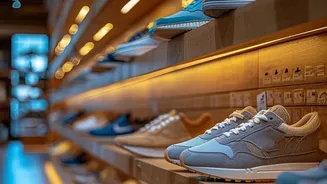
Perhaps the most critical part of any monsoon wardrobe, footwear has seen the most dramatic functional upgrade. Flimsy flip-flops that offer no grip or protection are being replaced by robust, stylish alternatives. Waterproof sneakers, once a niche item, are now a mainstream trend, offering dryness and versatility. Ankle-length gumboots provide the benefits of traditional rain boots but with a more fashionable, easier-to-wear design. For those who prefer open footwear, options now include slip-on sandals made from quick-drying, water-resistant materials with anti-skid soles for better grip on slippery surfaces. Even loafers and boots are getting a monsoon-ready treatment with water-resistant leathers and durable rubber soles.
Accessorising for the Elements
The functional makeover extends to accessories, which are now designed to be both stylish and protective. The humble umbrella is getting a design upgrade, with brands offering innovative, sturdier, and more aesthetically pleasing options. Raincoats are shedding their purely utilitarian image, with brands offering reversible designs, fashionable cuts, and even transparent styles for those who don't want to hide their outfits. Bags made from waterproof materials like PVC or coated nylon are also essential, ensuring that your phone, wallet, and other essentials stay dry during a downpour. This new wave of accessories proves that practicality doesn't have to be boring.
A Pop of Colour for Grey Skies
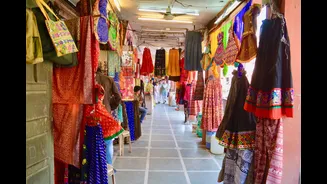
While function is key, designers are ensuring that style and joy aren't left behind. A strong trend is the use of bright, bold colours to counteract the gloomy, overcast weather. Vibrant shades of yellow, pink, orange, and blue not only lift the spirits but also stand out beautifully against a grey backdrop. Bold prints are also popular, as the diffused light of a rainy day makes colours pop. This embrace of colour ensures that the new functional monsoon wardrobe is as expressive and cheerful as it is practical.